A religion built round a sanctuary has a serious problem when the sanctuary is a ruin. After 70 CE, Judaism could have become a long elegy for a lost building. Instead it became a portable civilisation. The Mishnah is one of the reasons why. Around 200 CE, in Roman Palestine, usually in the Galilee and under the authority of Rabbi Judah ha-Nasi - Judah the Prince - the Oral Torah was gathered, ordered, compressed, and set into a form sturdy enough to outlive empire. Not because argument had ended. Because argument had to travel.
This is the first great post-Temple act of Jewish survival. If Torah had remained only what one master said to one student in one room, too much could have vanished with a generation, or a decree, or a road full of soldiers. The Mishnah answered the crisis with form. Six orders. Sixty-three tractates. Topics arranged not by biblical sequence but by the lived business of being a people: seeds and festivals, marriage and damages, holy things and purity. The law was no longer tied to one hill. It could be memorised in Tiberias, taught in Caesarea, carried to Babylonia, and eventually argued over almost anywhere Jews could keep a table and open a book.

Not the Talmud. Not yet.
This matters because the words are often blurred together in casual speech. The Mishnah is not the Talmud. The Mishnah is the earlier core - terse, structured, often almost lapidary in style. The Gemara is the later, sprawling commentary and analysis built around it in the academies of Roman Palestine and Sasanian Babylonia. Mishnah plus Gemara gives you Talmud. First came the compact statement. Then came centuries of reply, objection, clarification, anecdote, challenge, rescue attempt, and glorious refusal to let a question sit still.
That order tells you something deep about rabbinic instinct. The first necessity was to stabilise the inheritance. The second was to keep it alive by arguing with it. A fixed text did not freeze Judaism. It gave the argument a dependable centre to circle.
The oral law stands up
There is a lovely tension at the centre of the whole thing. The Oral Torah was, by definition, oral. Rabbinic culture prized live transmission - teacher to student, voice to voice, in a chain that was both legal and intimate. To write it down too fully could look like a category mistake, even a breach. Yet history has a way of forcing decisions that theory would rather postpone. The Mishnah does not read like a casual set of notes. It reads like a deliberate act of selection and architecture: compact formulations, named authorities, grouped disputes, sharp topical organisation. Oral law had not stopped being oral. But it had been given a backbone.
And this is where the Jewish genius for refusing false choices shows itself. The rabbis did not solve the danger of forgetting by turning the tradition into a smooth code with all the rough edges filed off. Quite the reverse. They left dissenting opinions on the page. Hillel's school and Shammai's school. Rabbi Meir. Rabbi Yehudah. Rabbi Yose. Majority and minority, ruling and rejected possibility, all kept in view more often than a bureaucrat would prefer. The page says, in effect: this is the law, and this is the argument that got us there, and this losing view is worth preserving because tomorrow may ask better questions than today did.
The Mishnah in six orders
The Mishnah is the earliest major rabbinic law code to survive as a discrete work. It is arranged in six sedarim, or orders: Zeraim (Seeds), Moed (Festival), Nashim (Women), Nezikin (Damages), Kodashim (Holy Things), and Tohorot (Purities). Within them sit 63 tractates. Its structure is thematic rather than biblical. Agriculture stands beside prayer, marriage beside vows, civil injury beside court procedure, sacrifices beside ritual impurity. The effect is practical and total. This is not only what Jews believe. It is how Jews organise life.
Textual tradition: six orders, 63 tractatesA people in portable form
The Temple had made certain commandments local in the most literal sense. Sacrifice happens there or it does not happen. Priesthood is anchored there or it is not priesthood in the same way. The Mishnah does not pretend the loss is trivial. It preserves entire orders on sacrificial worship and ritual purity that could no longer be practised in full. That, too, is part of its brilliance. It carries forward the memory of the house while building a discipline for life outside it. Judaism refuses amnesia, but it also refuses paralysis.
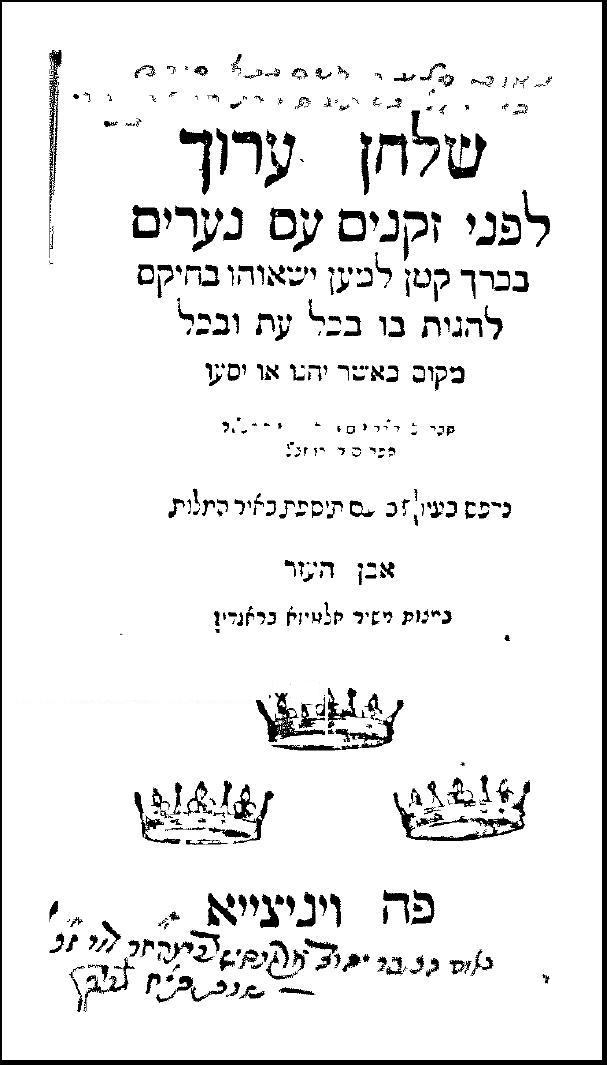
So much of later Jewish existence is hidden inside that choice. A people can survive astonishing upheaval if its central inheritance can fit into study, speech, and habit. The Mishnah makes law portable without making it thin. It compresses without trivialising. It can sit in a schoolhouse, on a travelling scholar's tongue, in a marginal gloss centuries later, in a debate in Babylonia, in a printed page in Venice, in a study circle in Manchester. Not bad for a text born in the shadow of ruin.
The Temple had been a place. The Mishnah made the covenant portable.
Judah ha-Nasi in the Galilee
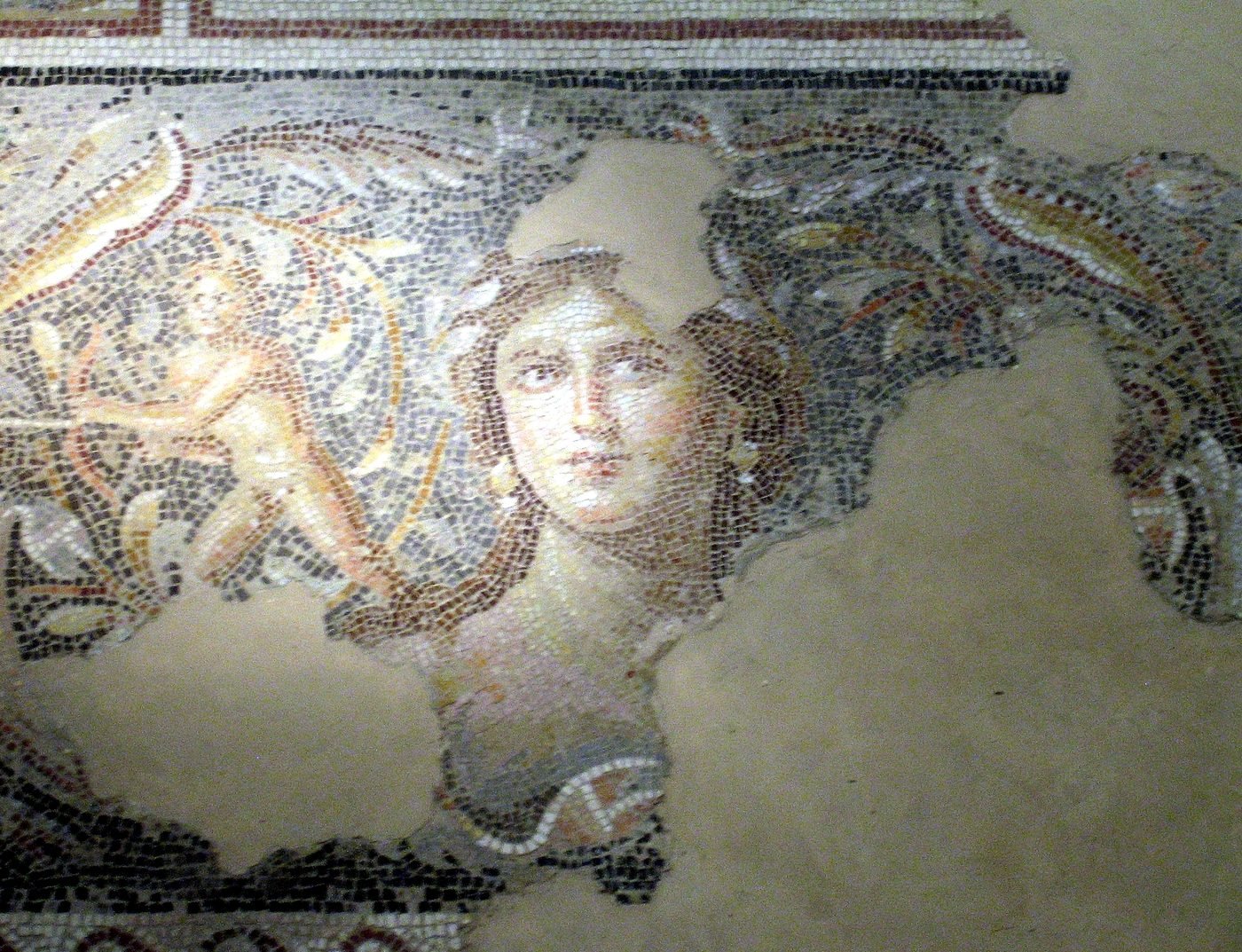
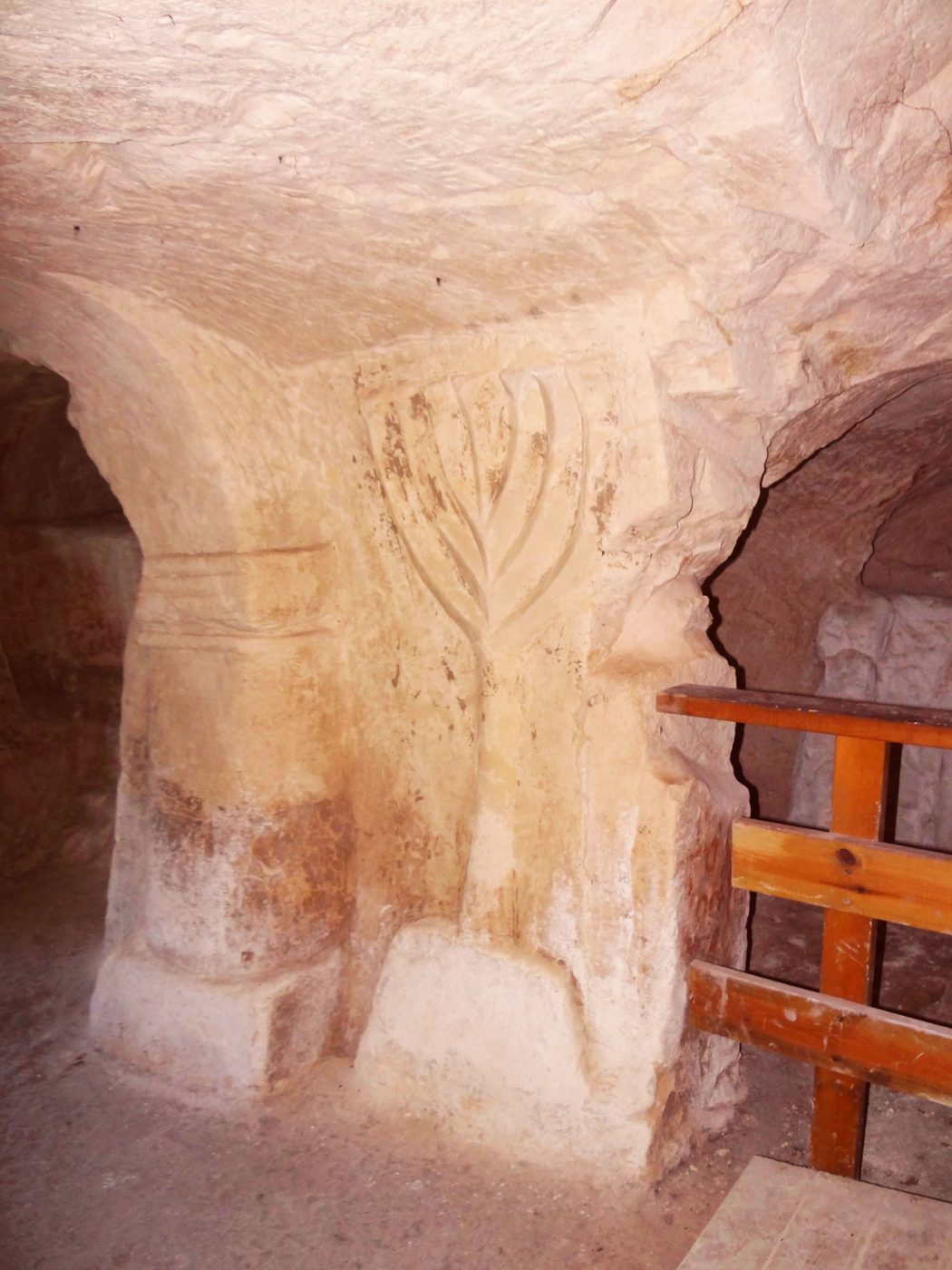
Rabbi Judah ha-Nasi, often called simply Rabbi in rabbinic literature, stands at the centre of the Mishnah's redaction. Later sources connect him with Beit She'arim, where an important necropolis of the rabbinic age survives, and with Sepphoris, where he is said to have spent his final years. The archaeological sites do not prove line by line how the Mishnah was edited, but they anchor the tradition in a real Galilean landscape under Roman rule. This was not a misty academy outside history. It was Jewish legal creativity under empire, carried out in towns close enough to roads, taxation, and power to know exactly what survival required.
Beit She'arim and Sepphoris, Roman GalileeThe page keeps the disagreement
This may be the most beautiful part. Codification usually flattens. Empires love a neat rulebook. The Mishnah is organised, yes, but it is not neat in that dead way. It remembers that Torah became Jewish not only by command but by conversation. Minority opinions remain visible. Unfinished tensions remain audible. Later generations were not asked merely to obey a sealed box. They were invited into a disciplined argument whose opening moves had been preserved with extraordinary care.
That is why the Mishnah stands at the threshold rather than at the end. After it come the Gemara, the two Talmuds, the commentaries, the codes, the responsa, the endless margins filling with more voices. But the crucial movement has already happened here. The law has stood up. It can now travel on its own legs.
Further reading