In the middle of winter, Jewish homes perform a small act of excellent confidence. A lamp goes in the window, or by the doorway, where other people can see it. Not hidden on a back shelf, not explained to death, not nervously translated into somebody else's seasonal language. It shines outward. The point, the rabbis say, is to publicise the miracle.
That public glow is one of the loveliest things Jewish life does. Night by night the light increases. Children count. Blessings are said. Oil crackles in pans. Latkes arrive hot and unapologetically fried. Sufganiyot appear in powdered sugar and jam like a festival that has understood its brief. A dreidel spins on the table, cheerful and faintly absurd, as many good domestic customs are. Hanukkah is not the oldest Jewish festival, nor the holiest. It may be the most deft. It takes a national memory and turns it into a household practice that can survive almost anywhere.
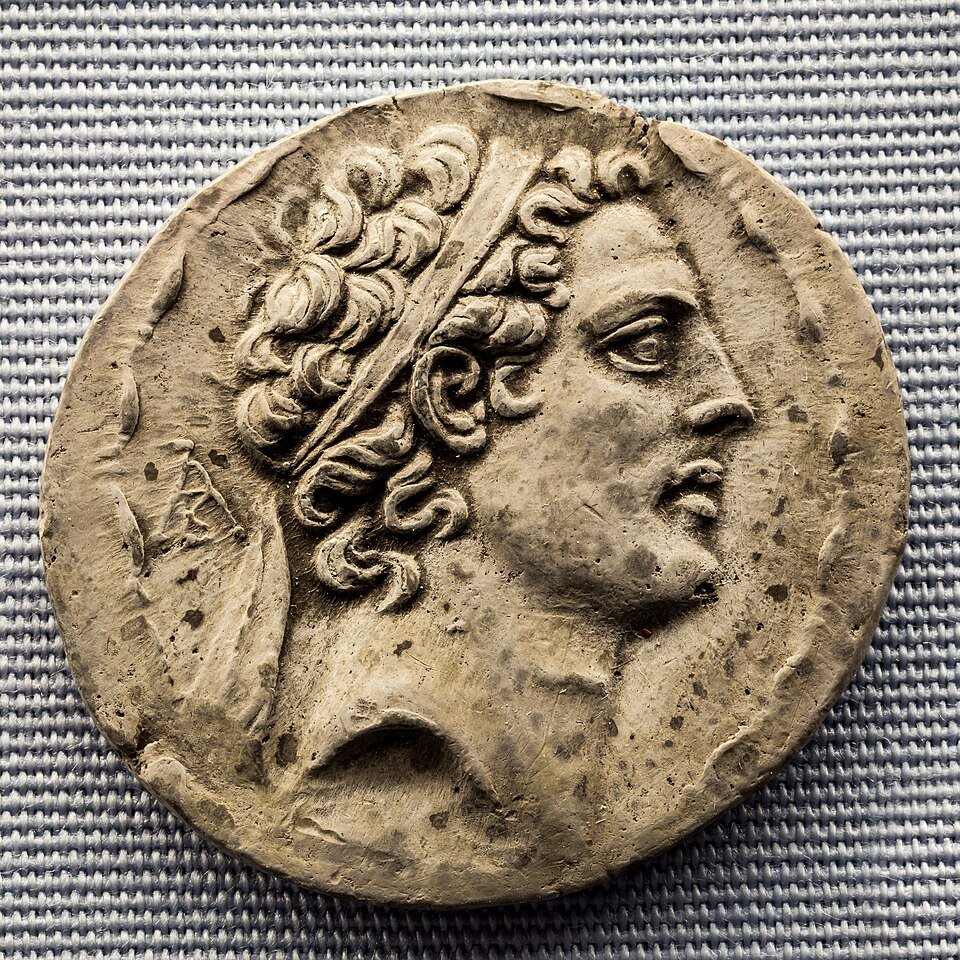
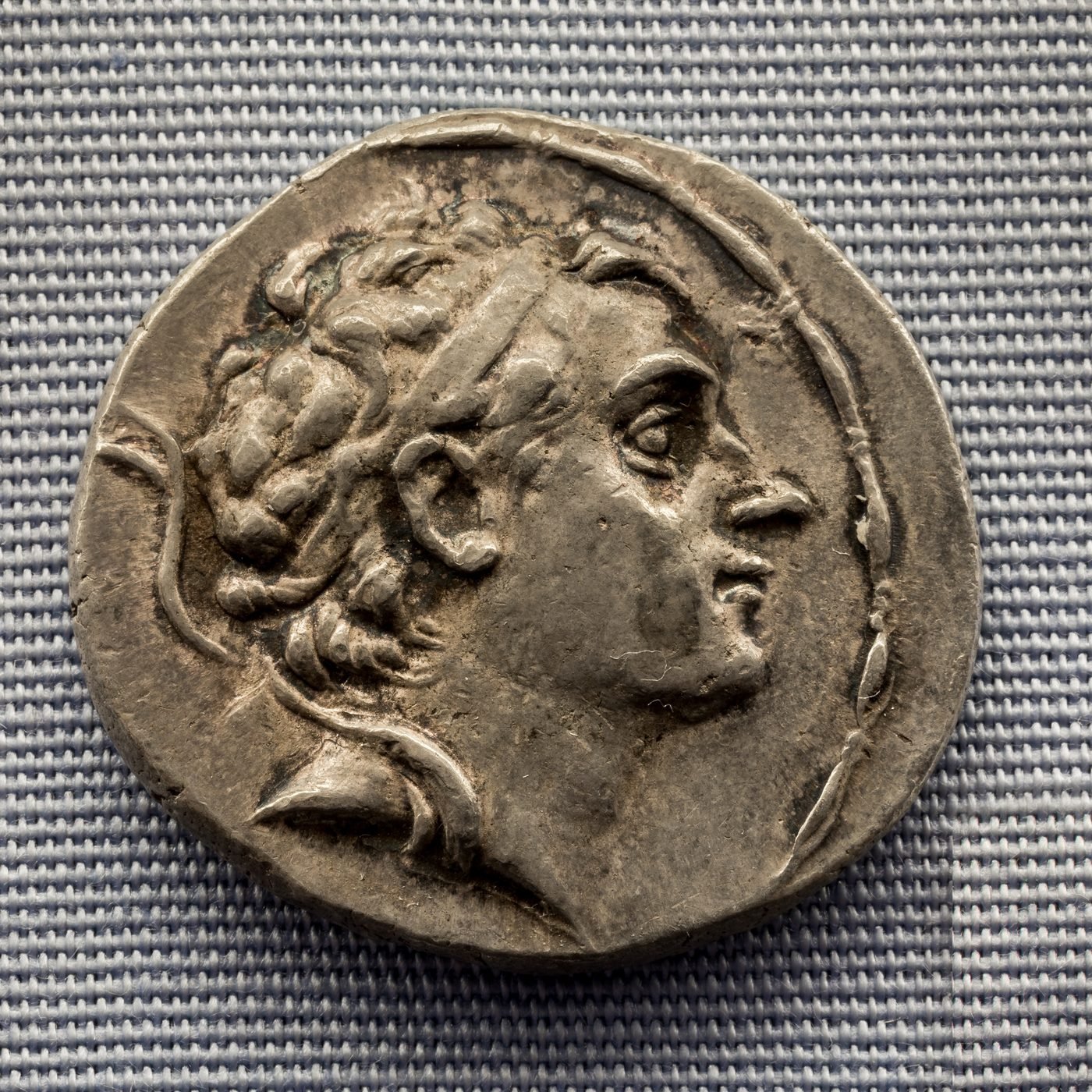
That matters, because the story behind the window lamp begins not in the home but in a sanctuary under assault. In 167 BCE, under the Seleucid king Antiochus IV, Jewish practice in Judaea was attacked, the Jerusalem Temple was desecrated, and a revolt began. By 164 BCE, the rebels led by Judah Maccabee had retaken Jerusalem and rededicated the Temple. The earliest surviving accounts tell that story plainly enough. They also tell it joyfully. Before Hanukkah was a festival of windows, it was a festival of return.

A small war, remembered on purpose
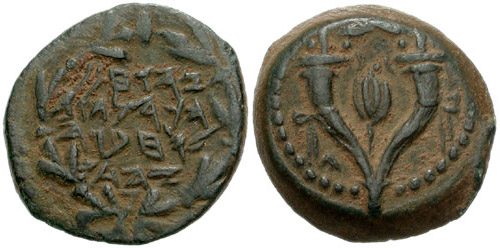
The Maccabean revolt was not a decorative disagreement. It was a hard, local, dangerous war fought in the hills of Judaea against Seleucid power and against Jewish accommodation to that power. Mattathias and his sons began it; Judah Maccabee became its best-known commander. The Books of 1 and 2 Maccabees are not cool modern histories, but they are our earliest surviving written witnesses, and they agree on the essentials: the Temple was profaned, the revolt succeeded in retaking Jerusalem, and the sanctuary was purified and rededicated on the twenty-fifth of Kislev.
The joy in those texts is immediate. Lamps are lit again. Sacrifice resumes. Songs are sung. The dedication lasts eight days. In 2 Maccabees, the celebration is even described as being kept in the manner of Sukkot, with branches and thanksgiving, as though a missed feast had finally found its hour. This is not a shy memory. It is national relief with music.
And yet the Hanukkah most Jews know best does something striking with that history. The later rabbinic tradition does not delete the victory, but it shifts the emphasis. Ask the Talmud, in Shabbat 21b, what Hanukkah is, and the answer is not a battle map. It is a cruse of oil, sealed and pure, enough for one day and burning for eight. That looks very much like an editorial decision, and a revealing one. The rabbis inherited a story of arms and turned its centre of gravity toward light.
1 Maccabees 4:36-59
The earliest surviving account of Hanukkah's institution describes Judah and his companions cleansing the Temple, building a new altar, relighting the lamps, and keeping the dedication for eight days with joy and gladness beginning on the twenty-fifth of Kislev. It gives the rededication clearly. It does not mention the oil miracle.
1 MaccabeesWhy light travels better than victory
This is one reason Hanukkah has lasted so well in lived Jewish life. A military victory belongs to a place, a campaign, a generation of fighters. A lamp belongs anywhere Jews can strike a flame. Once the Temple was destroyed by Rome in 70 CE, the rededication of that building could no longer be relived in its original form. But the light could. The ritual had become portable.
Portable rituals are the tribe's great speciality. We take what was once central and make it carryable. A table becomes an altar's echo. A page becomes a homeland of argument. A window becomes a public square in miniature. Hanukkah fits that grammar perfectly. The lamp in the window says: this happened to us, and we're still here to mark it.
That portability also helps explain the festival's later growth. In classical Jewish law Hanukkah is not Pesach, not Yom Kippur, not one of the great Torah-mandated dates around which the whole year turns. But it is vivid, domestic, teachable, and visible. Children can count its nights. Adults can smell it in the kitchen. The street can see it. A festival that can live in public and at home at once tends to travel well.
The food makes the same argument in a more edible form. Oil is the memory you can eat. Potato latkes are a later Ashkenazi arrival, sufganiyot a later fried darling with deep Mediterranean cousins, but both make the same cheerful point: the miracle is now in the pan. Even the dreidel, which entered Hanukkah by a winding route rather than directly from the battlefields of the second century BCE, has been folded into the season's domestic theatre. Jewish festivals are good at adopting excellent supporting cast.
The rabbis inherited a story of victory and chose, very deliberately, to let the light outshine the sword.
2 Maccabees 10:1-8
This account likewise describes the Temple's purification and an eight-day celebration beginning on the same date as the earlier desecration. It explicitly compares the feast to Sukkot, with branches, hymns, and annual observance decreed for the whole people. Again: rededication, rejoicing, eight days. Still no oil.
2 MaccabeesJosephus, Antiquities of the Jews XII
Writing in the first century CE, Josephus says that Judas celebrated the restoration of Temple worship for eight days and that Jews kept the festival thereafter, calling it "Lights". He offers a reason connected to liberty appearing beyond hope. He does not tell the oil story, but the name is already there, bright as brass.
JosephusThe lamp in the window
So Hanukkah holds two truths at once. Historically, it remembers the Maccabean revolt against Antiochus IV, the recovery of Jerusalem, and the rededication of the Temple in 164 BCE. Traditionally, it remembers the miracle of the oil and the sanctification of light itself. Scroll and stone. Story and record. Neither needs to be bullied into becoming the other.
The more telling fact is the order of emphasis Jewish tradition finally chose. The armed rising is not erased, but the household is asked to perform radiance, not conquest. The public act is not marching. It is illumination. The miracle that gets broadcast to neighbours is not that Jews won a battle, though they did. It is that a little sealed reserve of holiness was enough to keep going longer than anyone had reason to expect.
That is an excellent Jewish memory to prefer. Not because power doesn't matter. It plainly does. The Maccabees fought, and without them there is no Hanukkah at all. But what enters the window each winter is not a sword. It is a light, increasing by one, until the whole thing glows.
And that, in the dark part of the year, is more than enough centre to live by.
Further reading