Jewish civilisation has an unnerving habit of taking the obvious emotional cue and declining it. A people that has lost homes, cities, and certainties more than once is commanded, in early autumn, to build itself a temporary shelter and move in. Not as punishment. Not as historical re-enactment done with a sigh. As a festival. As joy.
Sukkot is the autumn feast of booths, fixed in Leviticus as seven days of dwelling in a sukkah and rejoicing before God with the four species: lulav, etrog, hadas, and aravah. The instruction is agricultural and historical at once. It comes at ingathering time, when produce is gathered from threshing floor and winepress, and it remembers the wilderness, when Israel dwelt in booths after the exodus from Egypt. Harvest and memory share a table here. So do vulnerability and delight.
That doubleness is the festival's particular brilliance. The sukkah is not a symbolic stone house. It is meant to be temporary enough that its roof, the sekhakh, leaves more shade than sun yet still allows the sky to remain in view. You sit under a covering that does not pretend to permanence. You can hear the wind negotiate with it. If the season is clear enough, you can see the stars through it. Then you bless the day and eat your meal.

Joy before grievance
This is why Sukkot matters well beyond its own week. It teaches a Jewish order of feeling. The booth is fragile, but the mood required inside it is not lament. The liturgy calls the festival zman simchatenu - the season of our gladness. That phrase is not naive. It knows perfectly well that booths are not fortresses and that weather exists. The point is almost the reverse. Joy here is not the reward of perfect security. It is the refusal to wait for perfect security before beginning to rejoice.
That refusal has carried extraordinary weight in Jewish life. The sukkah can be built in a courtyard, on a balcony, in a suburban garden, on a city fire escape if local reality and halakhic ingenuity can be made to shake hands. Its very temporary nature is what makes it portable. So the festival persists where permanence has not always been available. It is hard to think of a better liturgical answer to exile than this: build something delicate, bless it, invite people in, and call the week by the name of gladness.
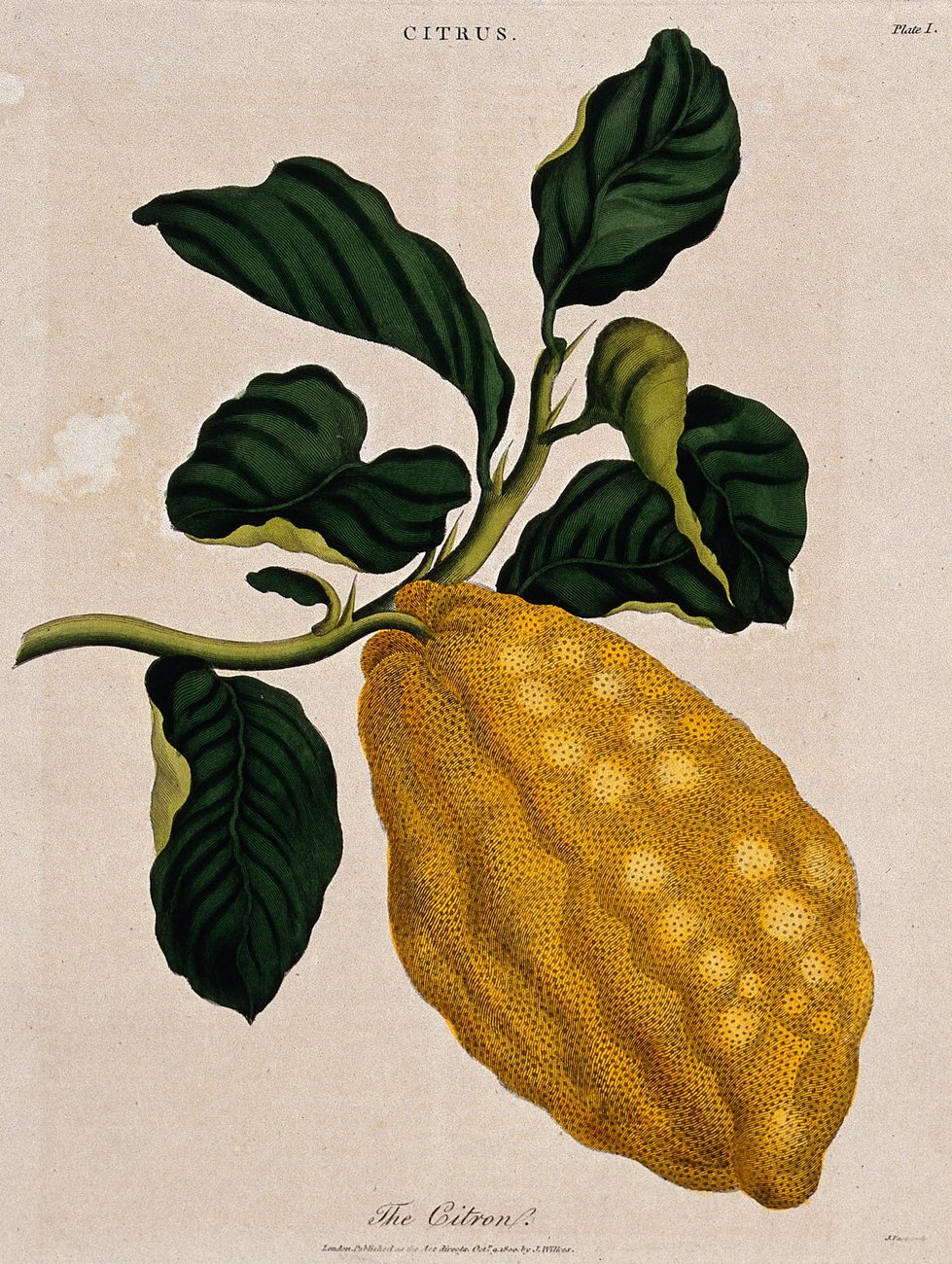
The four species make the same argument in another register. They bring orchard and riverbank into the hand. The palm branch, citron, myrtle, and willow are gathered and held together, then waved in multiple directions as part of rejoicing before God. They bind landscape, season, and command into a single movement. Judaism is fond of making theology performable. Sukkot may be its most elegant example.
Leviticus 23:42-43
The Torah commands Israelites to dwell in booths for seven days so that later generations will know that God made the children of Israel dwell in booths when they came out of Egypt. The memory is not optional and not merely decorative. It is built into the week's architecture.
Leviticus 23The harvest under the story
Yet Sukkot is not only about wilderness memory. It is also the great ingathering feast, rooted in the agricultural year. This matters because Judaism does not float above land and season. It remembers revelation and empire, argument and text, but it also remembers fruit, rain, threshing floor, branches, and the anxiety of whether the year will hold. The booth is not just historically resonant. It is autumnal. It smells of cut greenery, fruit, and evenings arriving earlier.
That harvest dimension explains some of the festival's exuberance. Gratitude is easier to stage when the produce is literally in. The rabbis did not invent the joy from nothing. They inherited a feast already thick with abundance and then deepened it with theology. The result is unusually complete. Sukkot gives thanks for what the earth has yielded while insisting that abundance itself is not the deepest shelter. Your table may be full. Your roof is still provisional. Rejoice anyway.
By the later days of the festival, liturgical energy gathers toward Hoshana Rabbah, the "great supplication", with its processions and willow rite, a day dense with plea and hope before the annual cycle turns again. Then comes Shemini Atzeret, the assembly of the eighth day, attached to Sukkot yet distinct from it. In many Jewish communities that same orbit carries Simchat Torah: the dancing with the scrolls, the completion of the annual Torah cycle, and its immediate beginning again from Bereshit. The year does not end in exhausted closure. It ends by starting over.
Leviticus 23:40
The Torah instructs the taking of "the fruit of splendid trees", palm branches, boughs of leafy trees, and willows of the brook, followed by rejoicing before God for seven days. Rabbinic tradition identifies these as etrog, lulav, hadas, and aravah, the four species of the festival.
Four speciesMishnah Sukkah
The opening tractate of Mishnah Sukkah defines the technical limits of a valid booth - its height, structure, and roof-covering - turning biblical command into lived architecture. Fragility is not left vague. It is carefully legislated, then joyfully inhabited.
Mishnah SukkahA confidence, not a lament
It would be easy, especially after Jewish history as we know it, to make the sukkah into a metaphor of insecurity and stop there. But that would miss the point and flatten the festival into mere poignancy. Sukkot is not a week-long sigh about the precariousness of life. It is a disciplined insistence that precariousness is not the whole story. The booth is temporary because all houses are, eventually. This one simply tells the truth faster.
And because it tells the truth faster, it makes room for another truth too: that covenantal life does not depend on pretending to be made of brick. The sukkah says that exposure and blessing can coexist. It says that memory need not be embalmed to be durable. It says that Jews have not answered history only by fortifying walls, but also by setting a table under branches and inviting guests.
That is why the festival remains so loved in lived Jewish time. Children decorate the booth. Meals migrate outdoors. Guests come and go. Rain becomes part of the argument. The four species are lifted. Hoshanot circle. Then, with the extra day and the dancing of Simchat Torah, the whole season gathers into movement around the scroll itself. Home becomes temporary. The text remains carried. Joy gets there first.
A roof you can see the stars through is not much of a defence. It was never meant to be. It is something more unnerving and, finally, more impressive: an announcement that fragility itself need not have the last word.
Further reading