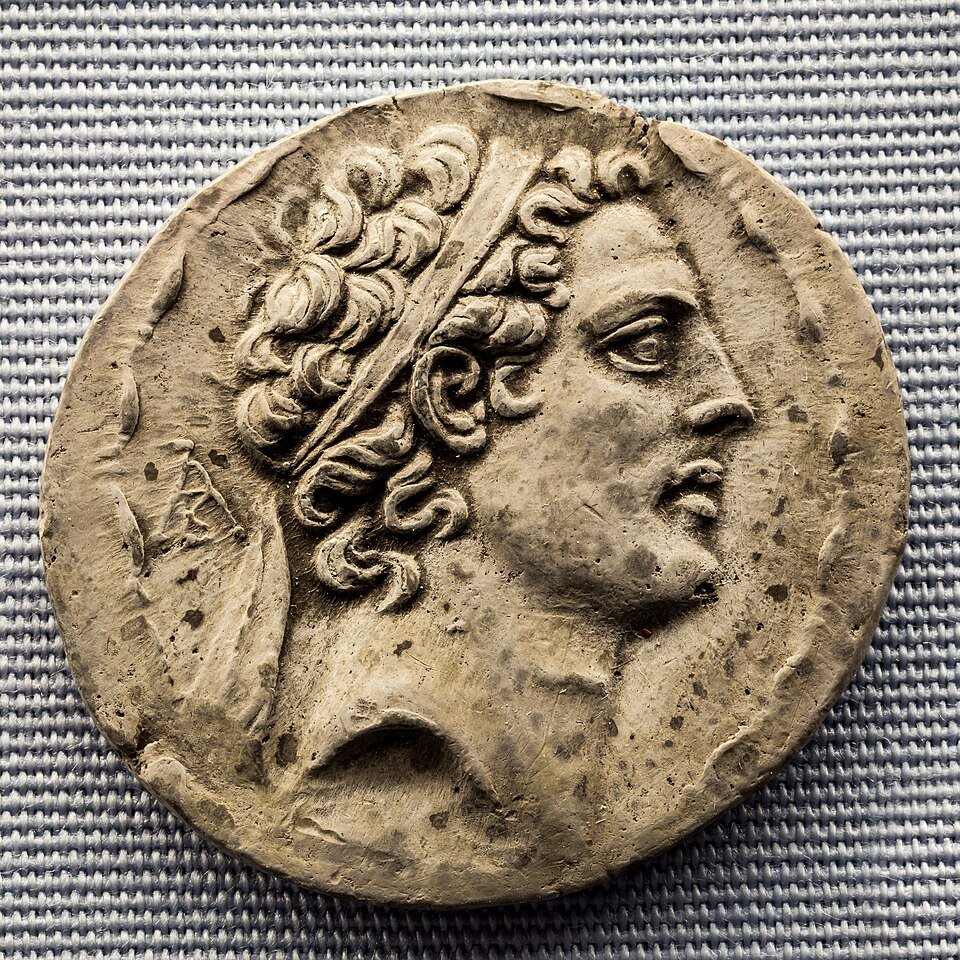
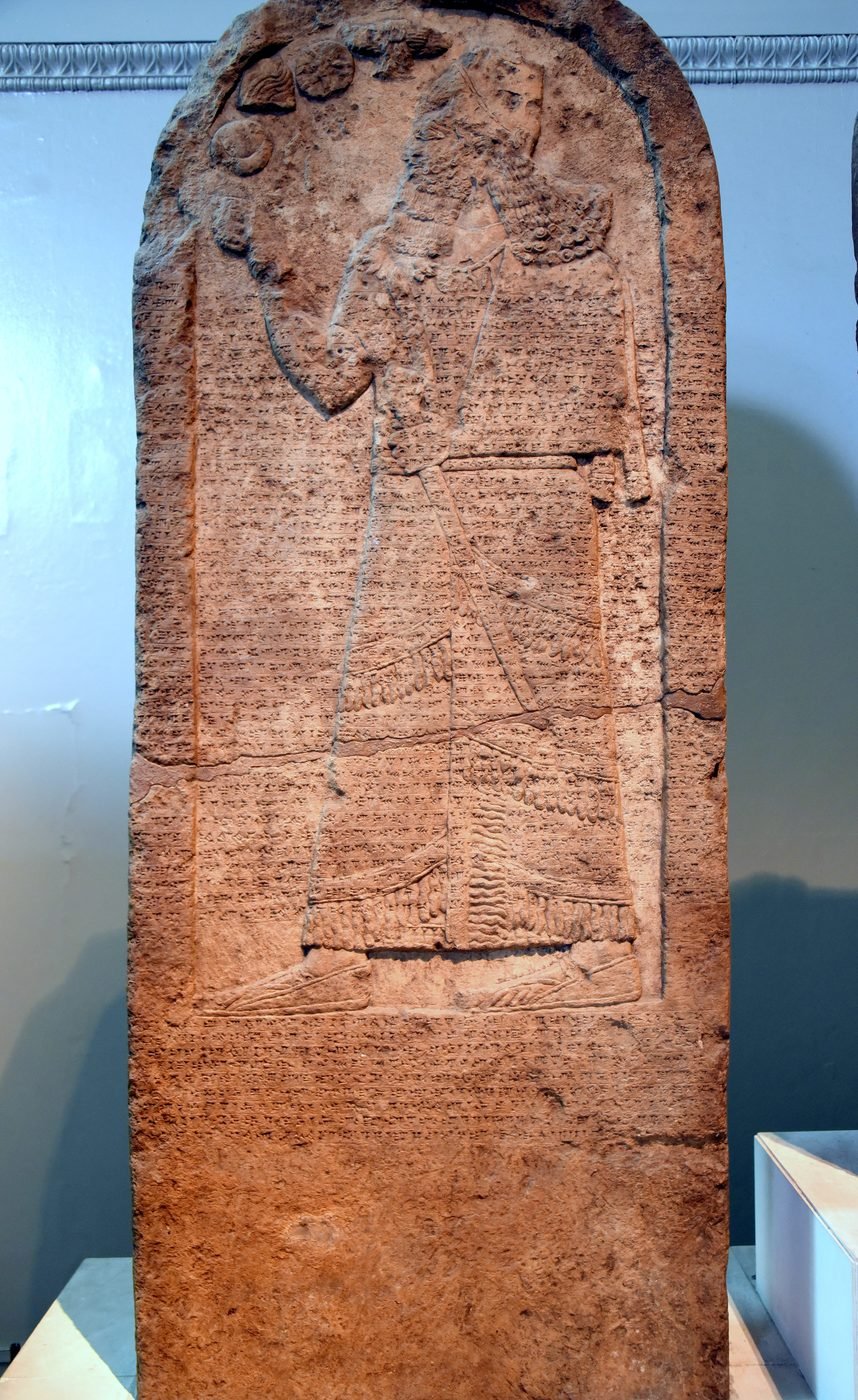
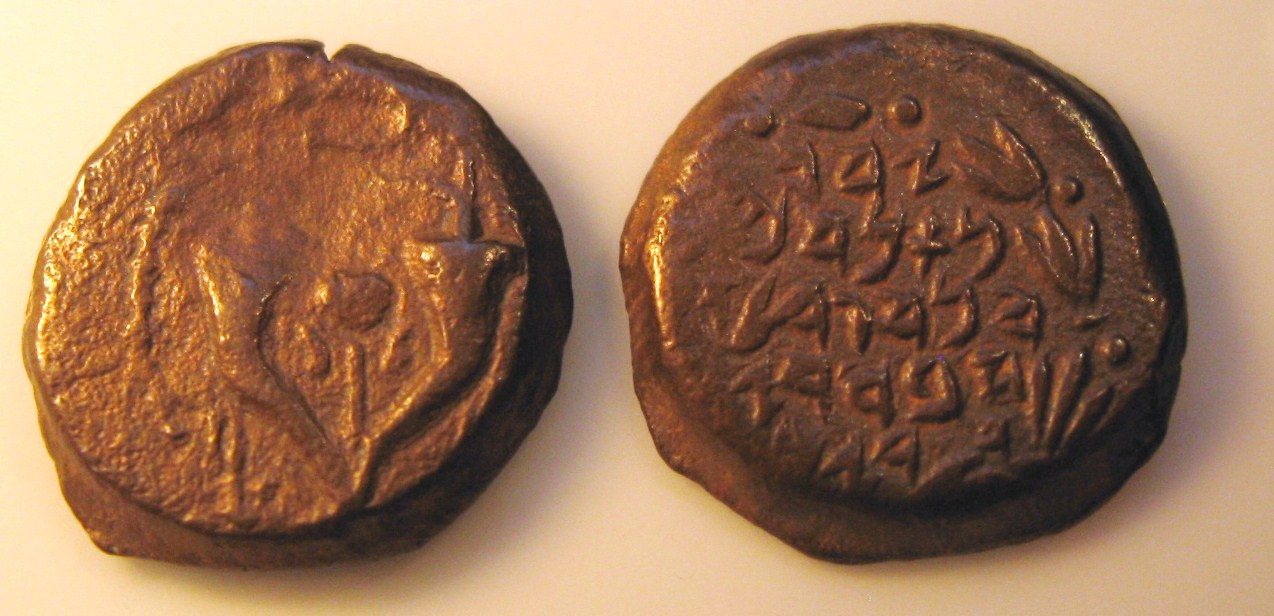
There is a spring at the base of Mount Hermon where the Jordan begins, cold and clear, and it was near this spring - at a place the Greeks called Panion, for the god Pan who was worshipped in a cave there - that Judaea changed hands. The year was around 200 BCE. The armies of Antiochus III, king of the Seleucid Empire, met the forces of Ptolemaic Egypt and routed them. The battle did not last long by ancient standards. Its consequences lasted centuries.
For more than a hundred years before Panion, Judaea had been a Ptolemaic possession - governed from Alexandria, taxed through a system of tax-farmers, and administered with the pragmatic tolerance that the Ptolemies generally extended to their subjects' religions and customs. Jerusalem under the Ptolemies was a temple city, the high priest functioning as both religious and civil head of the Jewish community, the annual Temple tax flowing dutifully to Egypt. It was not an arrangement of equals, but it was one the community had largely learned to live with. Then the Seleucids arrived, and everything familiar shifted.
The record
The Battle of Panion (also written Panium or Paneion) is attested by the Greek historian Polybius in his Histories, Book XVI, written in the mid-2nd century BCE. Polybius was roughly contemporary with the events and drew on eyewitness accounts and earlier records; his account names the defeat of the Ptolemaic general Scopas as decisive. The site is identified with Banias (modern Baniyas in the Golan), where a spring, cave, and Hellenistic-period cult remains associated with Pan have been identified archaeologically. Josephus confirms the tradition in Antiquities of the Jews, Book XII, chapters 3-4 (written c. 93 CE), noting that many Jews welcomed Antiochus III and assisted his siege of the Egyptian garrison in the Jerusalem citadel.
What strikes you, reading Josephus's account of that moment, is how warmly part of the Jewish population received Antiochus. They brought his army supplies. They helped besiege the Egyptian holdouts in the Acra - the fortified citadel in Jerusalem still held by Ptolemaic troops. Antiochus, for his part, responded generously: he issued a letter (preserved in Josephus) granting the Jews the right to live according to their ancestral laws, exempting the priests and Temple staff from taxes, ordering the restoration of those displaced by the war, and permitting the completion of Temple repairs. On its face, this was an excellent deal. A new overlord, promising to leave things as they were. The temple would function. The laws would stand.
The irony is as clear as the spring at Panion. The very dynasty that came to Judaea in 200 BCE with such reassurances would, fifty years later under Antiochus IV, desecrate the Temple, outlaw Sabbath observance, and provoke the Maccabean revolt. The grant of autonomy issued by Antiochus III was genuine enough on its own terms - and yet it placed Judaea inside an imperial system whose next ruler would tear those terms up entirely. What looked like a change of manager turned out to be a change of era.
The record
Antiochus III's letter to the Jewish community is preserved in Josephus, Antiquities of the Jews, XII.3.3 (§138-144). In it, Antiochus orders that the Jews shall live according to their ancestral laws, grants tax exemption to the council of elders, the priests, the scribes of the Temple, and the Temple singers, provides funds for sacrificial animals and Temple restoration, and commands that non-Jews are forbidden from entering the Temple precincts. Modern scholars - notably Elias Bickerman in The Jews in the Greek Age (Harvard University Press, 1988) - have argued that the letter's details are consistent with Seleucid administrative practice, supporting its authenticity as a genuine document rather than a later invention by Josephus.
Empires do not announce their future intentions in advance, which is what makes 200 BCE so instructive. Every transition looks like one thing from the inside and means something different in retrospect. The Jews who helped Antiochus III take Jerusalem were not naive. They were making the same pragmatic calculation that communities under imperial power always make: who is the likeliest sovereign, and how do we position ourselves to survive the handover? They got the calculation right for their moment. It was their grandchildren who would face the bill. The Battle of Panion is not remembered as a disaster - it barely registers in popular Jewish memory at all. But it is the hinge on which everything from the Maccabees to Hanukkah turns. Without Panion, no Seleucid Judaea. Without Seleucid Judaea, no Antiochus IV. Without Antiochus IV, no revolt, no rededication, no lamp lit in a reclaimed Temple on the 25th of Kislev. The spring at the foot of Hermon is still there. The water still runs cold.