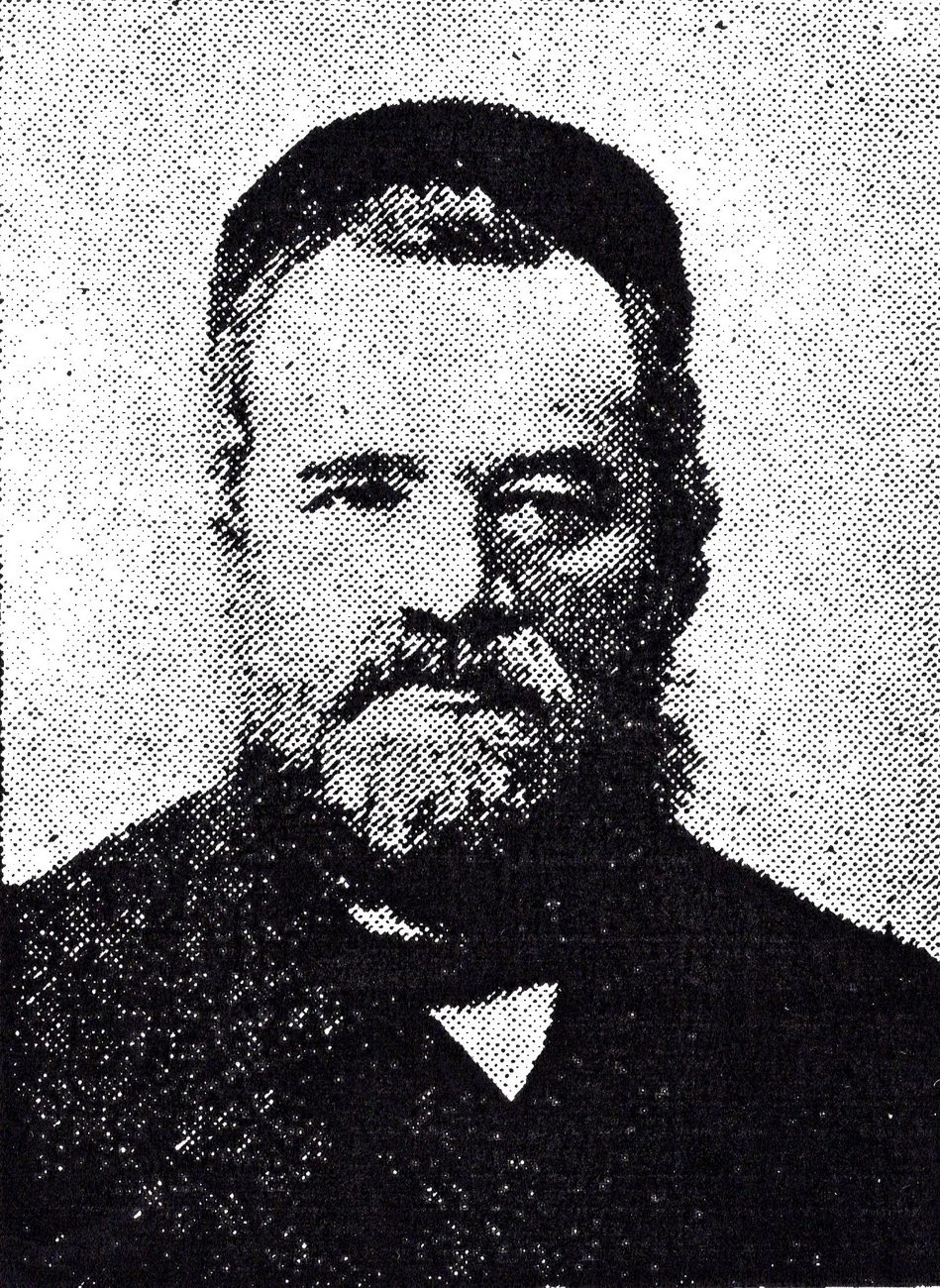
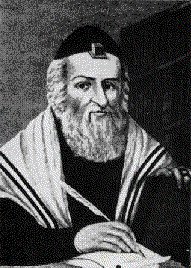
Every family has the argument that sounds, from the next room, like a falling-out and turns out on inspection to be a dispute about first principles. The Mitnagdim - the "opponents", as posterity usually labels them - were the Lithuanian rabbinic world that rose against early Hasidism in the later 18th century. Their great name was Rabbi Elijah ben Solomon Zalman of Vilna, the Vilna Gaon, born in 1720 and dead in 1797. Their complaint was not that Jews had become too devout. It was that devotion might be learning to prefer heat to structure, charisma to discipline, and the rebbe's table to the long, exacting labour of Torah.
That matters, because the story is easy to flatten and ought not to be. Hasidism, as told in its own counterpart on this site, did not appear as fraud in a fur hat. It was a serious religious answer to Jewish constriction, one that restored joy, prayer, fellowship and inward attachment to the centre of the room. The Mitnagdim recognised that power precisely because they were not fools. Their fear was that a worthy answer, pressed too far, might reorder Judaism around the wrong excellences.

What the Gaon feared
The Lithuanian objection was theological, social and temperamental all at once. The Gaon and the world around him held that Torah study was not one excellence among several. It was the spine of Jewish life. Prayer mattered, certainly. Piety mattered. Kabbalah mattered in the hands of those fit for it. But the order mattered too. A Judaism that gave public centrality to ecstatic prayer, to mystical language in common circulation, and to the personal magnetism of a tzaddik risked, in mitnagdic eyes, making learning look optional or secondary. Once that happened, the whole architecture could tilt.
The concern was not merely abstract. Early Hasidic practice involved altered emphases in prayer, intense devotional gatherings, new communal loyalties, and a model of leadership clustered around living rebbes. To devotees this was a renewal of Jewish life from within. To opponents it could look like a transfer of authority away from the disciplined study house and toward a court built on personality, wonder and emotional force. The Mitnagdim were not wrong to notice the shift. They were wrong only if one insists that every shift is a collapse.
And there was another anxiety beneath the formal one. Lithuania had produced a culture of rabbinic seriousness that prized exact reading, halachic rigour, and suspicion of anything that smelt of spiritual theatre. The Gaon himself was a kabbalist, but not a populist one. He did not think mystical language should become a mass style. So when Hasidism widened access to fervour, the Lithuanian elite did not hear only warmth. They heard the possibility of confusion - categories blurred, boundaries loosened, reverence attaching itself to the wrong human centres.
The first ban from Vilna
In 1772 the kahal and rabbinic authorities in Vilna issued a herem against the Hasidim. The language and enforcement varied by place, but the act was unmistakable: the Lithuanian establishment was not treating the new movement as a charming eccentricity. It named it as a danger to communal order and religious discipline. When Jews excommunicate other Jews, it is rarely because nobody noticed the difference.
Vilna communal ban against HasidimSeverity in a family quarrel
The bans are the part modern readers are most likely to flinch at, and not without reason. There were anti-Hasidic decrees in 1772 and again in the years that followed, including the better-known renewal in 1781. Hasidic books were sometimes burned. Hasidim were denounced to communities and occasionally to state authorities. The rhetoric could be fierce. This was not a seminar disagreement conducted over tea and sponge cake.
But the right frame is still family, not foreign war. Both camps were committed to Torah, mitzvot, prayer, communal continuity and the authority of inherited texts. The disagreement was over ranking, method and danger. The Hasidim believed that inward fire, attachment to the righteous, and prayer alive with feeling could rescue Jewish life from chill and hierarchy. The Mitnagdim believed that those same remedies, if enthroned too high, would unseat the patient. Both sides thought they were defending the covenant. That is why the language became so hot.
There is a temptation, especially for moderns, to assign the white hat to joy and the black hat to discipline. Resist it. Jewish civilisation has survived by refusing false choices of that kind. The Mitnagdim understood something real: ecstasy can become performance, charisma can become dependency, and anti-elitism can become contempt for excellence. Hasidism understood something real too: scholarship can become caste, prayer can go cold, and a tradition may remain correct while becoming difficult to love. The dispute held those truths against each other until both were forced to sharpen.
What the Mitnagdim built instead
Opposition, if it lasts, either curdles into mere reaction or turns constructive. The Lithuanian world chose the better of the two. Out of the mitnagdic insistence on study came a fuller articulation of Torah lishmah - Torah studied for its own sake, not as social ornament and not merely as a route to office. Out of the Gaon's school came Rabbi Chaim of Volozhin, his foremost disciple, who in 1803 founded the Volozhin yeshiva and gave the ideal institutional form. That larger story is told in the Volozhin article; here it is enough to say that the answer to charismatic renewal was not only prohibition. It was construction.
The yeshiva world that followed was not a museum of objections. It was one of the great engines of Jewish continuity - disciplined, text-soaked, ambitious, often poor, and entirely convinced that sustained learning was civilisation's central labour. If Hasidism taught Jews that the heart must not be left outside, the Mitnagdim taught that the mind must not surrender the room. A healthy people generally requires both reminders.
The quarrel was never over whether Torah should be loved. It was over how a people best shows that love.
Volozhin gives the argument a building
When Rabbi Chaim of Volozhin founded Yeshivat Etz Chaim in 1803, the mitnagdic programme acquired an address. The school made full-time Torah study a public institution rather than a private excellence. It did not merely resist Hasidism. It stabilised a positive Lithuanian answer - rigorous study, ordered discipline, and the conviction that learning itself sustains the world.
Yeshivat Etz Chaim, VolozhinNefesh HaChayim in print
Published posthumously in 1824, Rabbi Chaim's Nefesh HaChayim became one of the classic statements of the Lithuanian world. It is often read, with some justice, as a mitnagdic theological counterweight to Hasidic emphases. Not a rejection of prayer or inwardness, but a clear insistence that Torah study remains the crown and axis.
Rabbi Chaim of Volozhin, Nefesh HaChayimHow the quarrel cooled
By the 19th century's middle decades, a change in weather had arrived. The Haskalah, the Jewish Enlightenment, pressed both camps from a different direction - secular education, new literary cultures, altered authority, a broader argument about what modern Jewish life should become. Against that pressure, Hasidim and Mitnagdim still differed, but they no longer looked like each other's most urgent problem. Old hostilities did not vanish overnight, and local quarrels endured, but a wider Orthodox front slowly became recognisable.
That rapprochement matters because it reveals what had always been true underneath the shouting. These were not separate religions. They were rival houses within one civilisation, arguing over emphasis while studying the same canon, keeping the same commandments, and raising children inside the same covenant. In time they learned, imperfectly and without sentimental collapse, to live as worthy counterparts. The Jewish world is often healthiest not when argument disappears, but when it is contained inside loyalty.
So the Mitnagdim should not be remembered merely as the people who said no. They were guardians of order, of textual seriousness, of halachic nerves that they feared might go slack. They overreached at points; family arguments often do. Yet they also preserved and built something immense. The Lithuanian yeshiva world, the prestige of Torah study for its own sake, and the long discipline of learning as a civilisational vocation all bear their stamp. Hasidism kept the flame from going cold. The Mitnagdim made sure the house did not burn down.
Further reading