There is a way of praying that sounds like nothing else in the Hasidic world. Loud, fervent, almost shouted, with a melody that climbs and breaks and climbs again. It belongs to the house of Karlin-Stolin, and one half of that double name is a small town in the marshes of Polesia, on the river Horyn, near where the great Pripyat wetlands swallow the southern edge of Belarus. Stolin is the name that travelled. The prayer travelled with it.
Hasidic dynasties often live under hyphenated names, and the hyphen usually marks a move. The court of Karlin, founded by Aaron the Great near Pinsk in the eighteenth century, was one of the first Hasidic centres to take root in Lithuania, in a region where the rationalist opponents of Hasidism were strongest. When the court later relocated its main seat to Stolin, the older name was kept and the new one added, so that the dynasty carried both addresses forward together. Stolin was not a footnote to Karlin. It became the working capital.
The court moves south
The line ran through formidable men. Aaron the Great of Karlin died young in 1772, remembered for an intensity that set the tone for everything after him. Asher Perlow of Stolin, who lived from 1760 to 1826, carried the court into the next generation. In 1864 his grandson, Aaron the Second, moved the seat of the dynasty to Stolin, and from then on the town was the address pilgrims travelled to. The clipped, thunderous Karliner manner of prayer - the one that startles visitors used to quieter courts - became the dynasty's signature, and Stolin was where you went to hear it done properly.
The strangest and most touching chapter belongs to Yisrael Perlow, who became rebbe as a small child after his father's early death and was known ever after as the Yenuka, the infant prodigy of Stolin. He led the court through the turn of the twentieth century, a period when the dynasty's reach extended across the Russian Pale and beyond. He died in 1921 and is buried in Frankfurt, which is how he is sometimes called the Frankfurter - a Belarusian rebbe whose grave ended up in Germany, a small map of how scattered the Jewish century already was before its worst part began.
The court relocates to Stolin
Aaron the Second of Karlin moved the seat of the dynasty to Stolin in 1864, following an earlier move by Asher of Stolin. From that point the town gave the house the second half of its name, Karlin-Stolin, and became the main residence of the rebbes and the destination of their Hasidim.
YIVO Encyclopedia of Jews in Eastern EuropeThe town and the marsh
Stolin itself was a typical Polesian shtetl: timber houses, a market, a river, and a Jewish population that for long stretches made up much of the town. What set it apart was the court at its centre. A rebbe's residence reorganises a place. It brings visitors, scribes, ritual slaughterers, beggars, matchmakers and the steady traffic of people who need a blessing or a ruling. For a town of its size, Stolin punched far above its weight precisely because the Karliner court sat there, pulling Hasidim in from across the region and sending them home carrying that unmistakable melody.
Then came June 1941. The German invasion reached Polesia within weeks, and the Jewish communities of Stolin and Karlin were destroyed almost entirely in the killings that followed. The shtetl world that had hosted the court for generations did not survive the war. What is owed here is plain speech: the place was murdered. But that is not the whole sentence, because the house it carried did not die with it.
The marsh town was destroyed, and the melody it held was not. Karlin-Stolin prays today in Jerusalem and Brooklyn in the voice it found in Polesia.
The end of the Polesian community
Germany invaded the Soviet Union in June 1941 and reached Polesia within weeks. The Jewish communities of Stolin and Karlin, like those across the region, were destroyed almost entirely in the mass killings that followed. The shtetl world that had hosted the Karliner court for generations did not survive the war.
YIVO Encyclopedia · Virtual ShtetlWhat outlasted the map
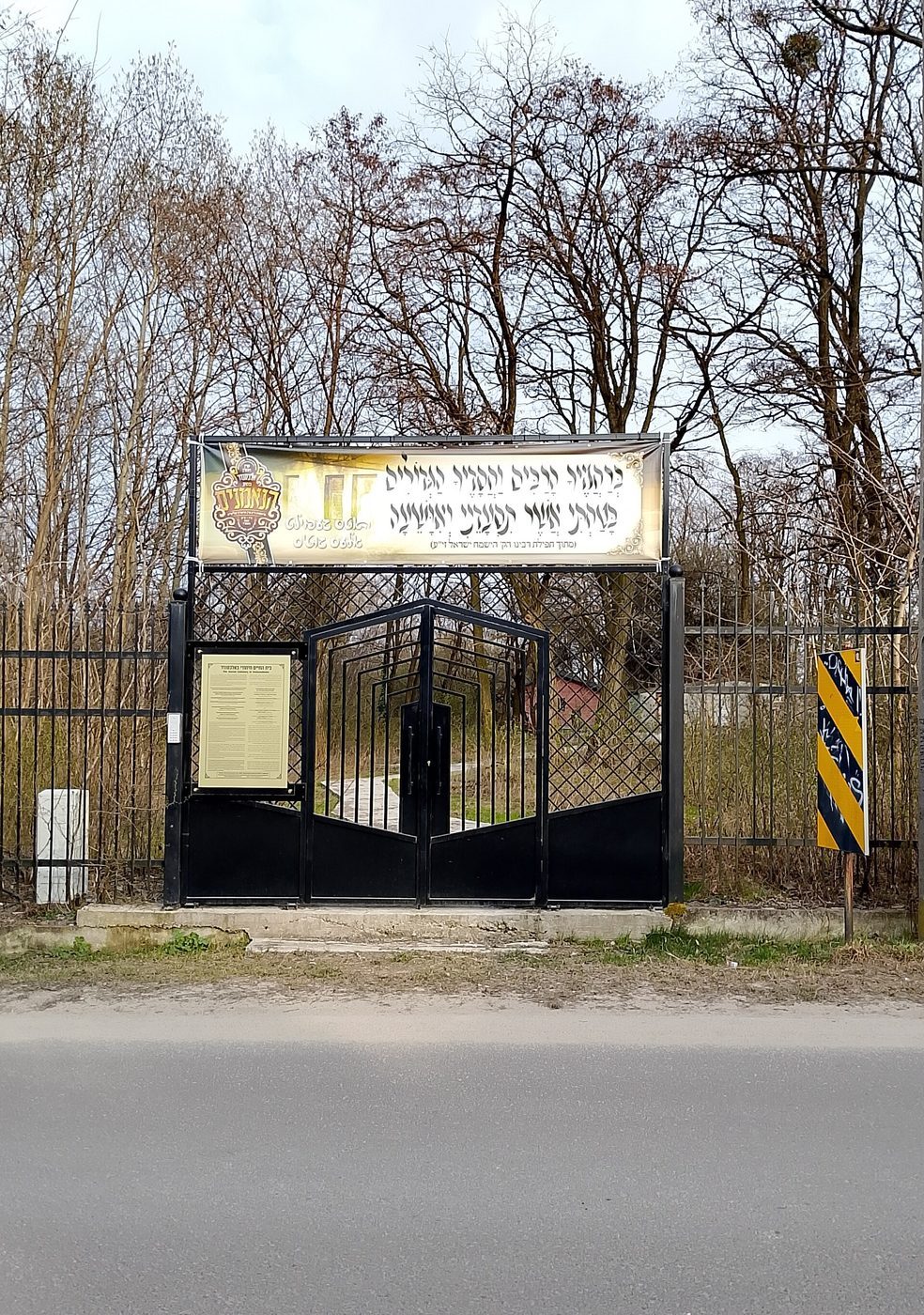
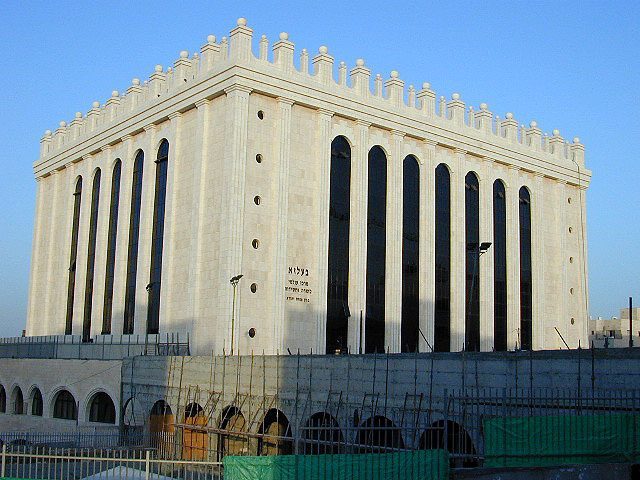
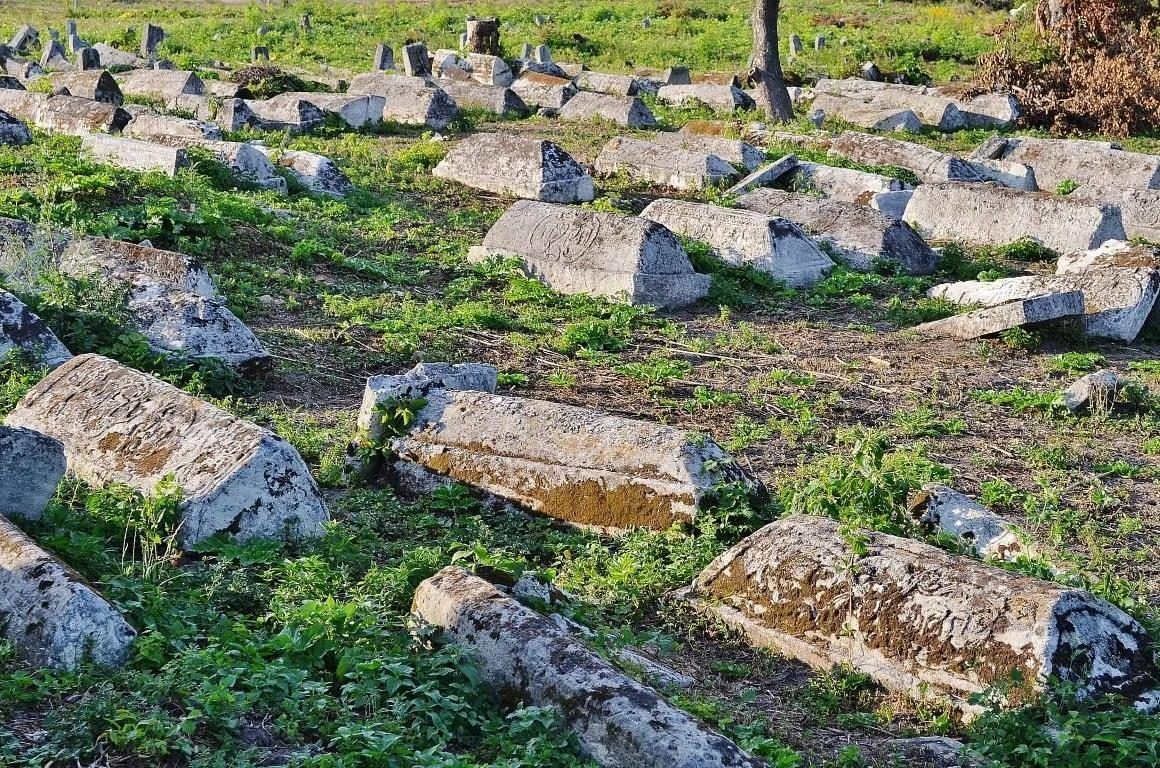
The dynasty rebuilt itself among survivors and their children, and Karlin-Stolin Hasidim now live in Israel, the United States, Britain and beyond, with active communities in Jerusalem, Bnei Brak and Borough Park. The town on the Horyn is in Belarus today, its Jewish life a matter of memory and a cemetery. But the prayer the rebbes shaped there is still sung exactly as it was, loudly, without apology, which is a particular kind of victory. A geography can be erased. A way of crying out to heaven, it turns out, is harder to kill.
Further reading
Story & Stone · Atlas Places Nº 9
Next on the shelf: Netanya: Kiryat Sanz on the Sea →