Berdychiv sits in the middle of Ukraine like a town that was never meant to become famous. Then Levi Yitzchak of Berdychiv made it a place Jews still say with feeling, because he turned public prayer into a kind of communal muscle.
He was not a ruler in the imperial sense. He was a Hasidic master who prayed loudly for Israel, defended ordinary people in his sermons and left the town with a name that outlived its market stalls.
A court in a trading town
Levi Yitzchak served here in the late eighteenth century, and the stories attached to him are still the ones the town tells with pride. His court was warm, pleading and fiercely attached to the people of Israel, which is why he remained beloved long after the buildings around him began to wear out.
By the nineteenth century, Berdychiv was one of the great Jewish centres of the Russian Empire. Printers, scholars, traders and charity funds gave the town a density that made it feel like a small capital, and the Jewish cemetery became its own archive of names.
Levi Yitzchak of Berdychiv
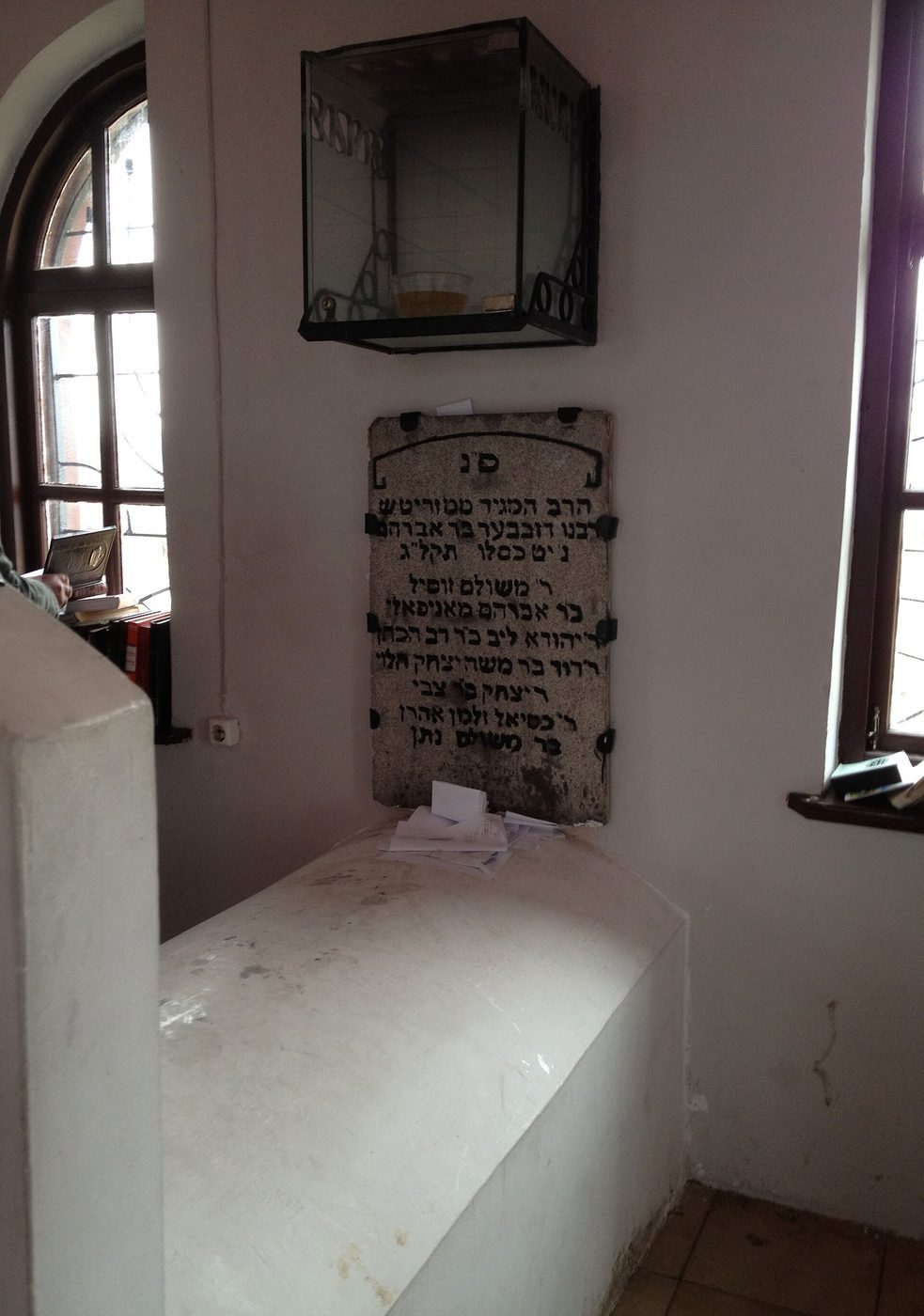
Levi Yitzchak ben Meir of Berdychiv served as one of Hasidism’s most famous courtly rabbis and died in 1809. His grave in the old Jewish cemetery is still a pilgrimage site, visited for prayer and remembrance by Jews from Ukraine, Israel and beyond.
YIVO Encyclopedia; Berdychiv Jewish cemetery heritageWhat the grave keeps doing
The twentieth century broke the community, as it broke so many Ukrainian Jewish communities. What remained was not a museum piece but a grave, and a grave can still organise memory when a town has lost most of the people who once walked its lanes.
That is the stubborn thing about Berdychiv. It is remembered not because it won, but because it made prayer feel public, generous and local at the same time.
The old Jewish cemetery
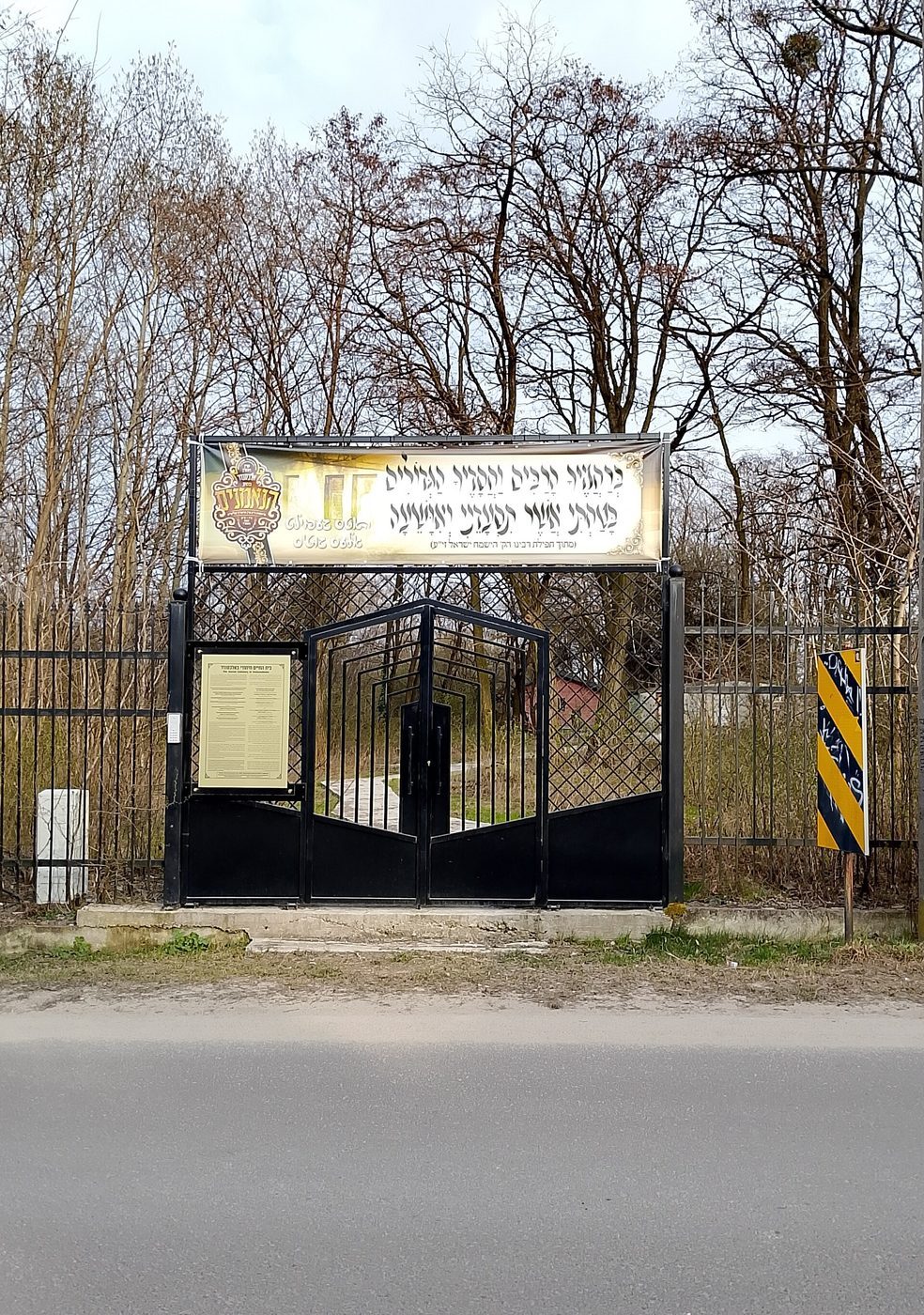
Berdychiv’s Jewish cemetery, documented by heritage groups and historians, contains generations of communal burial and the funerary art that went with it. It stands as one of the strongest surviving records of a large east European Jewish town after the destruction of the twentieth century.
Yad Vashem; Ukrainian Jewish heritage studiesWhy the lamp stays lit
Berdychiv matters because it shows how a town can become larger than its trade. The Hasidic court gave it a soul, and the grave gave it a future in memory.
The market has quietened. The pilgrims still come.