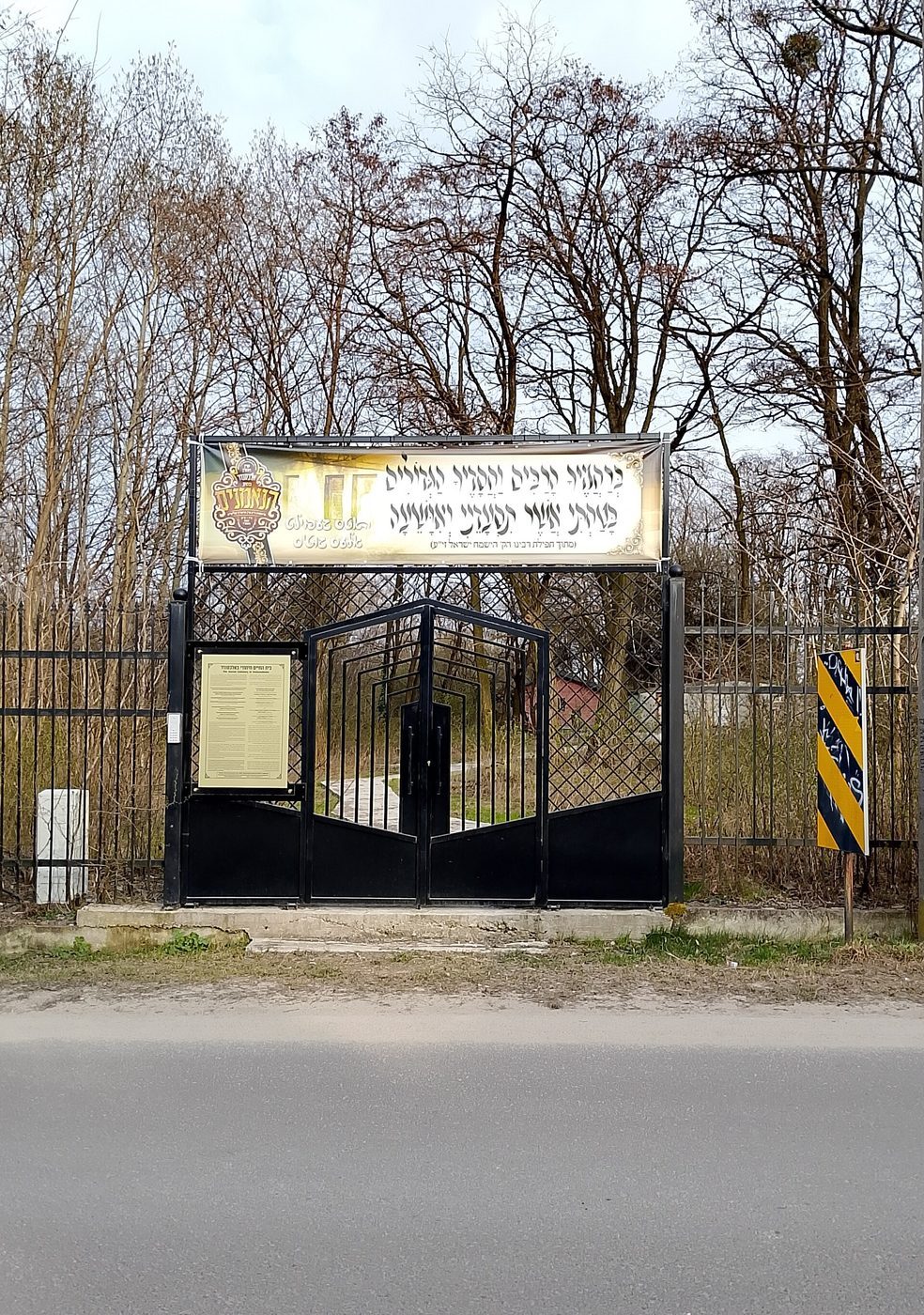
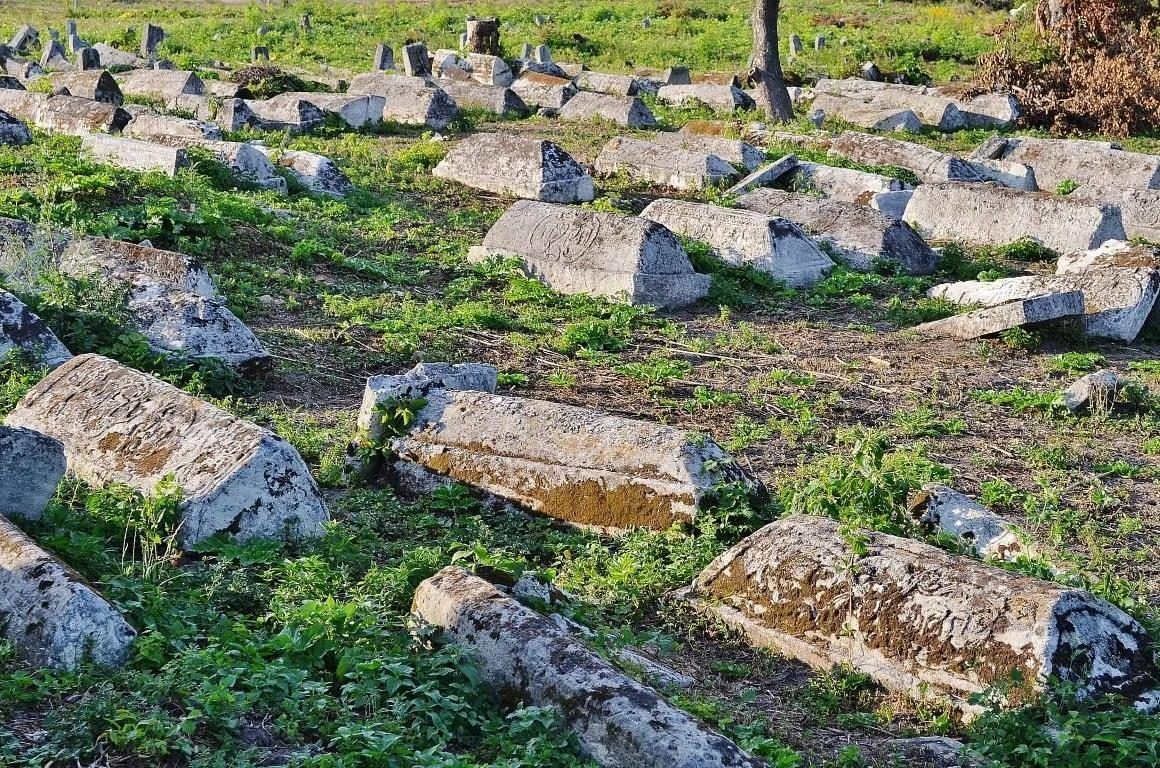
Belz is a market town in eastern Galicia, on the edge of the woods that run toward Volhynia, and for most of the world it would be a dot on an old map. For the Jewish world it is a dynasty. When a Belzer Hasid says "Belz", he is not naming a place he can visit - he is naming a way of keeping faith that outlived the town entirely.
The court began with Rabbi Shalom Rokeach, the Sar Shalom, who settled in Belz in the early nineteenth century and built around himself a kingdom of study and song. What he founded was not a movement of theory but of attachment - to the rebbe, to the prayer that ran long past the clock, to a discipline that looked, from outside, like stubbornness and felt, from inside, like joy.
A house built like a fortress
The Great Synagogue of Belz was the court's heart - a tall, thick-walled beis medrash that the Hasidim spoke of with the reverence usually reserved for far older stones. The tradition that it went up in a single night, with hidden help, tells you less about its engineering than about what it meant: a place that felt protected, in a corner of Europe that rarely was.
Through four generations the line held - Yehoshua, Yissachar Dov, Aharon - each rebbe carrying the same insistence that the smallest detail of practice was worth a life's care. Then came the catastrophe that did not spare the town.
The Great Synagogue of Belz
The fortress-like synagogue at the centre of the court was among the most celebrated Hasidic prayer houses in Galicia before the Second World War. It was destroyed under German occupation; its ruin was cleared in the decades after. The building survives now mainly in photographs, memoir and the measured longing of those who prayed in it.
YIVO Encyclopedia of Jews in Eastern Europe, "Belz Hasidic dynasty"Carried out, and built again
Rabbi Aharon Rokeach, the fourth rebbe, was hunted through occupied Europe and smuggled out in 1944, reaching the Land of Israel by way of Budapest. He arrived having lost almost everything - family, town, the house that felt like a fortress. He did not pretend otherwise. What he did instead was begin again.
Under his nephew and successor, the court grew from a remnant into one of the largest Hasidic communities in Israel, with its centre in the Kiryat Belz quarter of Jerusalem. The new generation did not inherit the old town. They inherited the refusal to let it be the end of the story.
They could not save the town, so they saved the thing the town had been for. The house is gone; the court is fuller than it ever was.
The Belz Great Synagogue, Jerusalem
The community's vast main synagogue in the Kiryat Belz neighbourhood was dedicated in 2000 after some fifteen years of construction. Among the largest synagogues in Israel, it was raised in conscious memory of the destroyed Galician original - a building meant to answer a building, on the far side of a continent and a century.
Kiryat Belz, Jerusalem - community dedication recordsWhat Belz means now
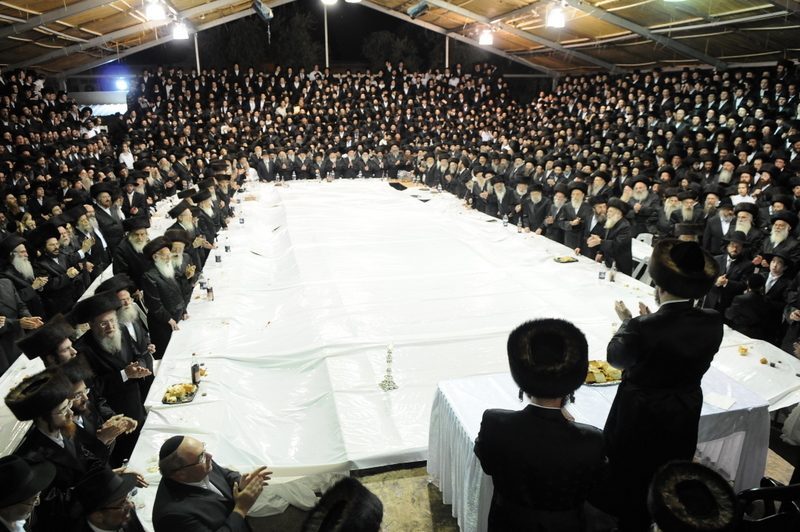
To stand in the Jerusalem synagogue on a festival night, in the press of thousands and the long unhurried prayer, is to watch a town that no longer exists fill a hall to its galleries. The Belzer Hasidim did not preserve Belz. They carried what Belz was made to hold, and set it down somewhere it could grow.
The map still has the old dot in Ukraine. The court has the answer to it, in stone, in Jerusalem.