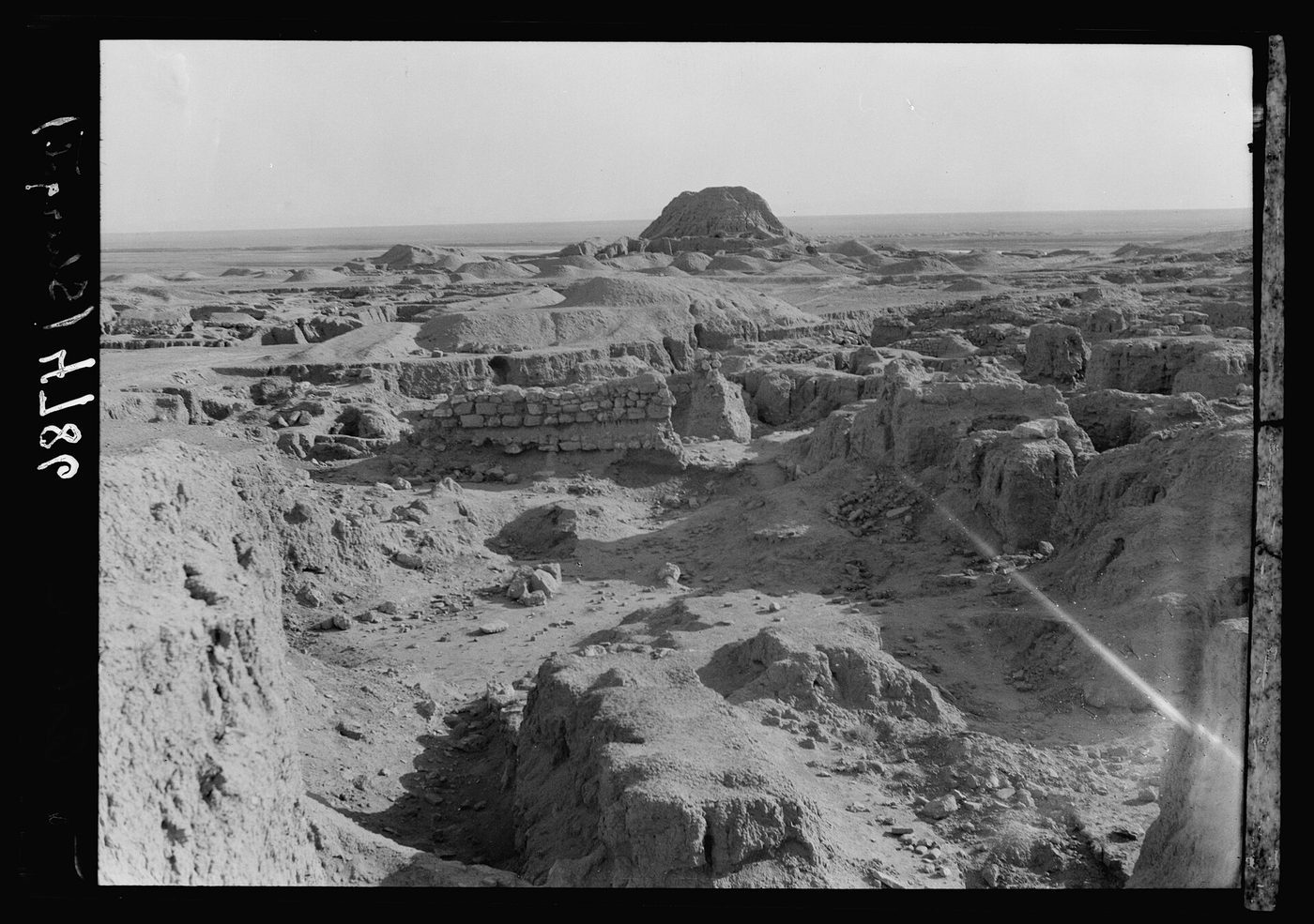
Nineveh is not remembered by Jews as a home city. It is remembered as a machine. The northern kingdom broke under Assyria, its people were lifted out, scattered, and folded into a system large enough to treat a tribe like inventory. That is what empire looks like when it is working properly - for empire.
In Jewish memory the city sits at the end of a hard sentence. The deportations after 722 BCE and the wider Assyrian pressure that followed did not produce a romantic exile. They produced a map. People moved east and did not come back together as a political unit. Nineveh was one of the capitals through which that violence became ordinary administration.
Empire's address
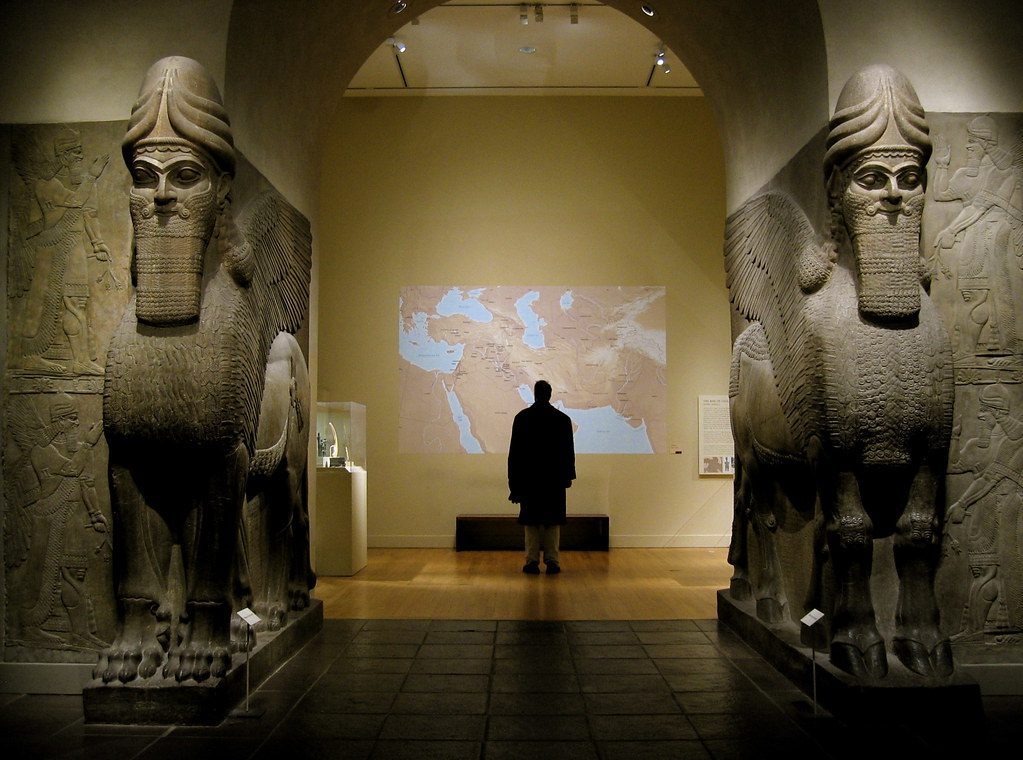
Nineveh was the capital where Assyria made grandeur visible: walls, palaces, carved processions, tribute, captives. The city became the stage on which Judah learned what an imperial victory looked like from the losing side. The story is not softened by time. The reliefs still show the carting away of people and goods, and the captions still land with the old force. Someone always pays for the parade.
That matters because Jewish history often gets told as if exile were an abstraction. Nineveh refuses that. It gives the word a postal address. It tells you where the paperwork happened, where the seals sat, where the great man on the throne could look out over the people he had lifted from their own land and call that order.
Room 10b, Siege of Lachish
The reliefs from Sennacherib's South-West Palace at Nineveh show the assault on Lachish, the deportation of its people and the performance of Assyrian victory in high relief. They are now in the British Museum, where the empire's theatre sits under glass and the Judean misery does not improve with age.
British Museum, Room 10bThe city falls
Nineveh itself did not get the last word. In 612 BCE the city fell, burned and was unmade by the same kind of imperial arithmetic it had practised on others. That does not make history fair. It does make it readable. Cities built to stage dominance are often fragile in the end, because they have trained everyone around them to think in terms of revenge, not permanence.
That is the joke, if it can be called one, and Assyria never got to laugh first. The empire that organised the exile became an exhibit. The people it moved kept going.
Later Jewish tradition gave foreign capitals different kinds of attention - Babylon for lament, Persia for rescue, Rome for endurance. Nineveh is harsher than all three because it is so administrative. It is the place where the tribe became a file. That is not poetry. It is what made the poetry necessary.
It gives the exile a postal address, and the address still answers. The city was a machine.
Sennacherib's account of the campaign
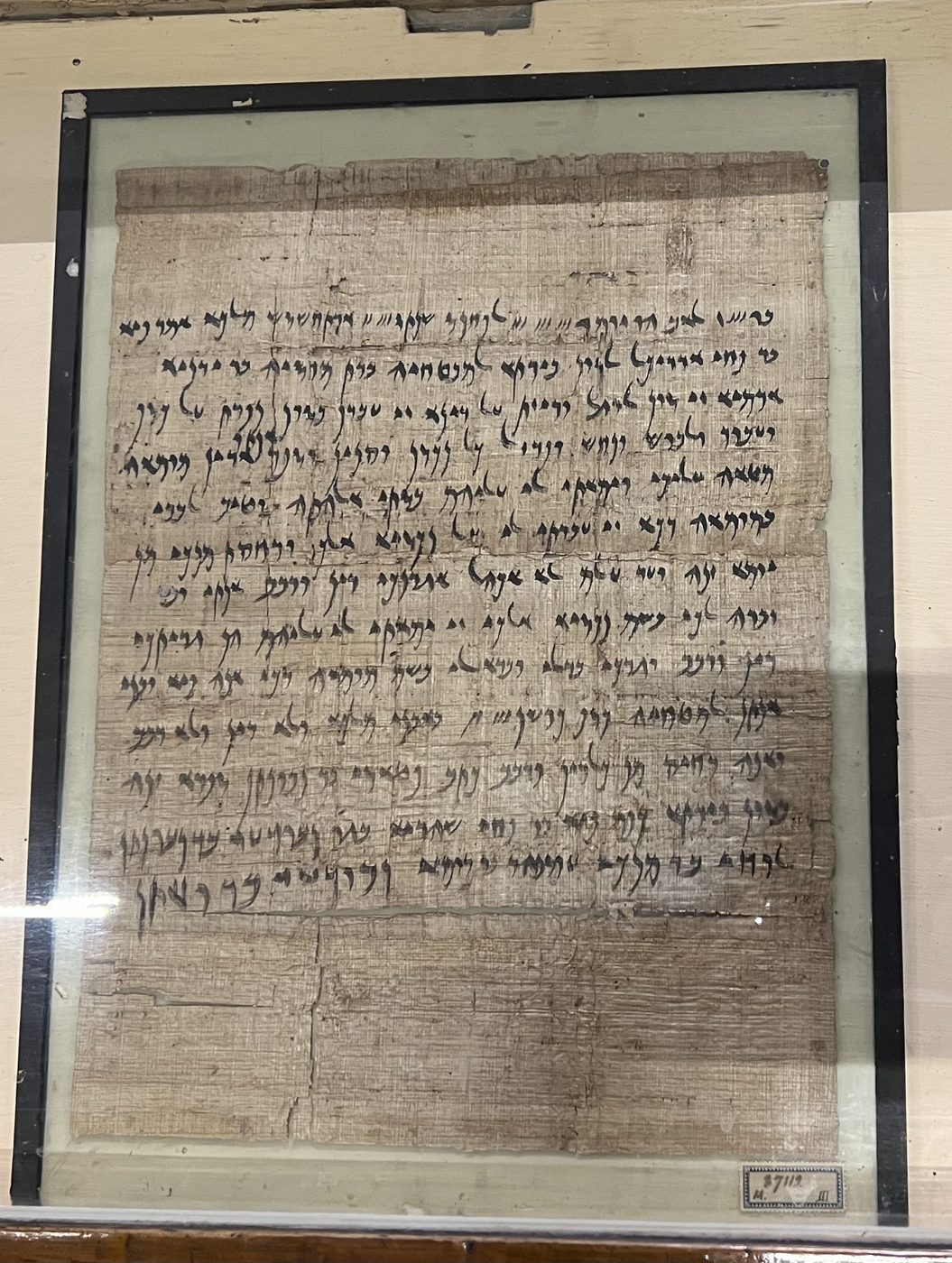
The Taylor Prism, now in the Oriental Institute in Chicago, records Sennacherib's campaign against Judah and his boast of having shut Hezekiah in Jerusalem "like a bird in a cage." The text is a clean imperial brag and a useful one: it shows exactly how Assyria wanted the world to read its victories.
Oriental Institute, University of ChicagoAfter the smoke
What remains of Nineveh in Jewish thought is not nostalgia but structure. The city helps explain why exile never became a single wound with a single ending. It was already an institution. That is why the tradition could survive it. You can survive an institution if you learn its grammar and refuse to worship it.
So Nineveh stays in the atlas not as a beloved place, but as a necessary one. It is where the northern story was broken by an empire that thought itself permanent. The empire was wrong. The story outlived the wall.