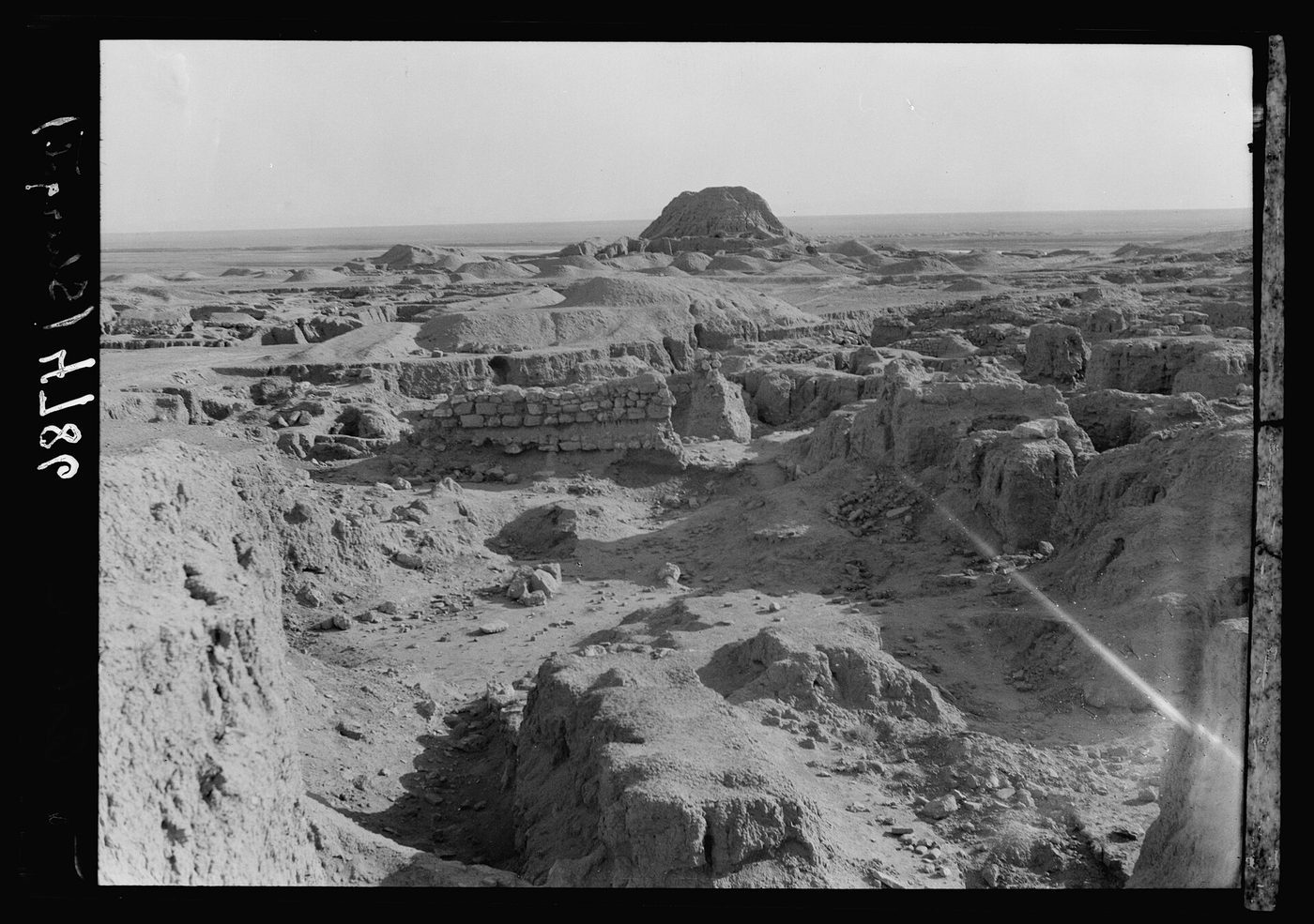
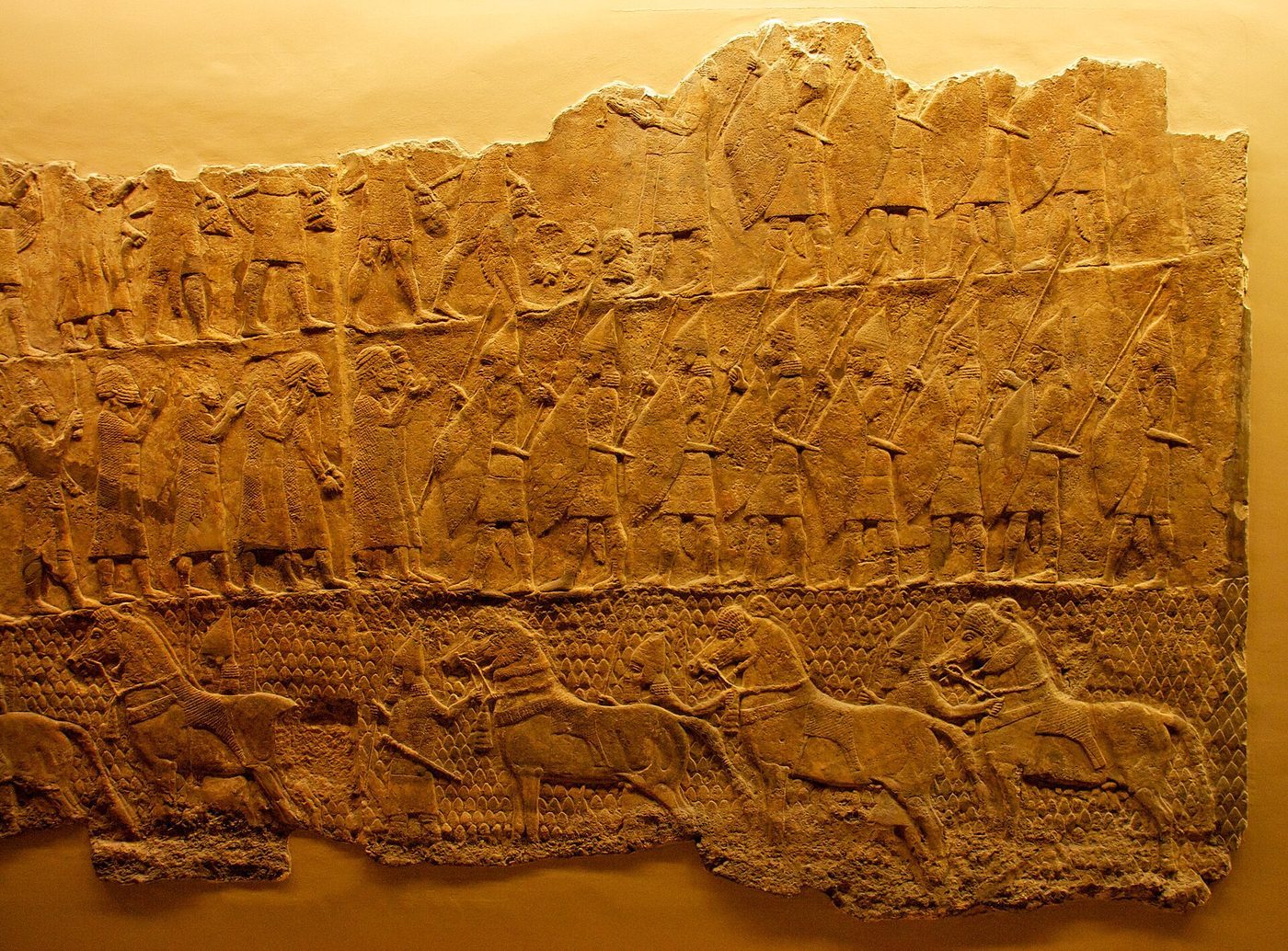
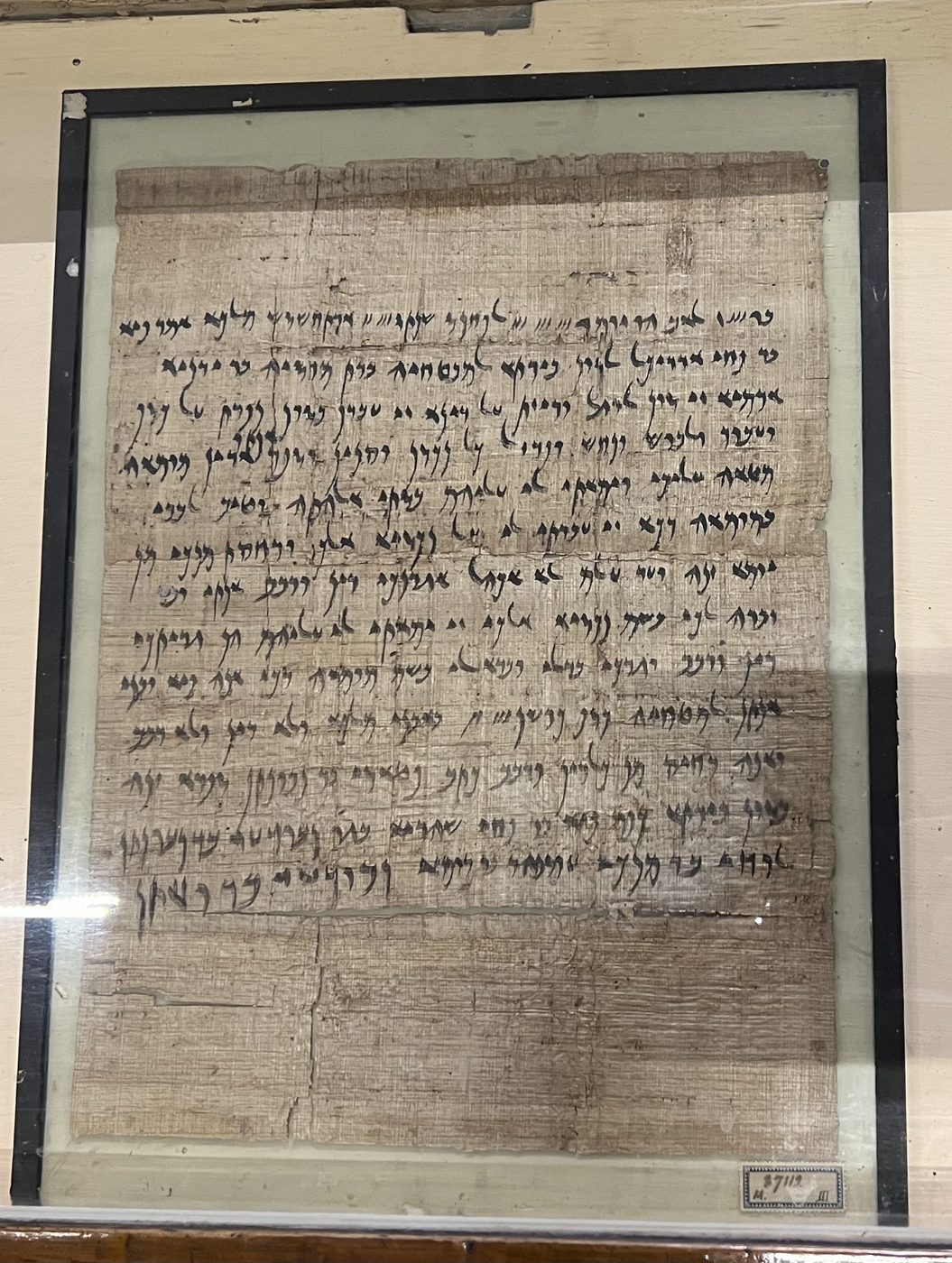
Calah, later Nimrud, is one of those cities that matters even when Jews are not the ones building it. It matters because Assyria made it part of the machinery that moved populations around the ancient Near East.
For the communities of the north, the city stands for the force that turned exile into administration.
Empire with ledgers
Ashurnasirpal II made Calah a capital in the 9th century BCE, filling it with palaces and monuments. Assyria's power was not abstract. It was written into roads, reliefs and deportation lists.
The northern kingdom of Israel felt that power directly. When Assyrian armies took towns and moved people, the issue was not merely military defeat. It was relocation into the imperial order.
Ashurnasirpal II builds the city
Calah/Nimrud became a major Assyrian capital under Ashurnasirpal II in the 9th century BCE. The royal reliefs and palace remains are now famous from museum collections and excavation records. This is the city that shows how empire makes itself visible before it makes itself durable.
British Museum; Ashurnasirpal II reliefsDeportation as policy
For the history of the tribes of Israel, Calah is not a place of community so much as a place of consequence. Assyrian deportation policy moved northern populations into new administrative settings, where language, work and memory had to adapt.
The city therefore belongs in the atlas of Jewish places not because it was Jewish, but because Jewish history was forced through it. The empire's city became part of our story by doing what empires do best: rearranging lives.
The exile begins as policy
The Assyrian deportations of the 8th century BCE are recorded in royal inscriptions and in the biblical memory of the northern kingdom's fall. Calah stands inside that system as a capital city, not a footnote. The record is grim, but it is real.
Assyrian royal inscriptions; Encyclopaedia BritannicaThe city after the people move
Calah does not offer consolation. It offers a mechanism. That is why it belongs here.
The people were moved. The record stayed.