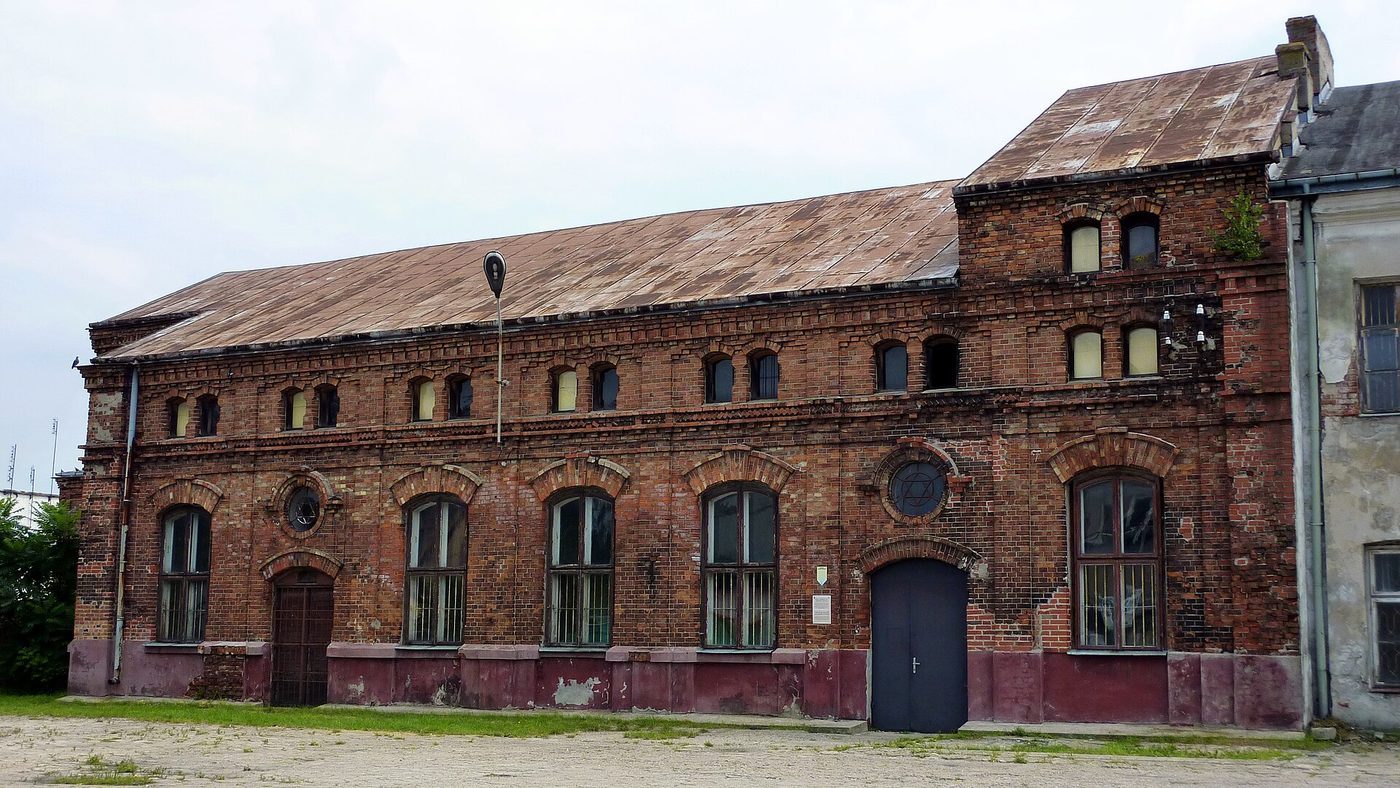
Munkács had the wrong size for the influence it produced. That is exactly why it worked. The court, the yeshiva, the arguments over Zionism and modernity, the severe brilliance of the Spira dynasty - all of it sat in a town that looked provincial until you listened. Then it sounded like the centre.
By the late nineteenth and early twentieth centuries, Munkács was one of the liveliest Jewish places in the Carpathians. Jews filled a large share of the town, ran schools, argued in print and in prayer, and gathered around Chaim Elazar Spira, the Minchas Elazar, whose authority reached far beyond Mukachevo itself. What happened there was not cosy communal life. It was a disciplined, high-temperature Judaism with a memory and a spine.
A town that argued
There was always more than one Jewish Munkács. The Hasidic court dominated the streetscape, but there were also Zionists, Orthodox modernisers, Hebrew teachers and a serious yeshiva culture. That friction was the point. A living community does not agree with itself all day. It learns to keep going while disagreeing in public.
The Spira court became famous for refusing easy comfort. It did not make piety soft. It made piety exacting. That exactness, sometimes admired and sometimes dreaded, travelled with the dynasty into exile and out into the postwar Hasidic world. The town became an origin point for a style of Jewish seriousness that still has followers who say the name with a straight face.
A town nearly half Jewish
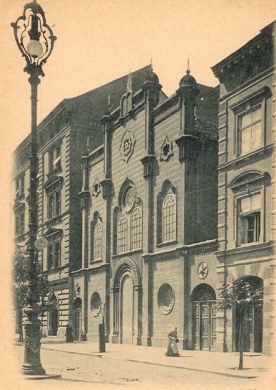
By the eve of the First World War, Munkács had a Jewish population of more than seven thousand, a little under half the town. That density gave the community the critical mass to sustain synagogues, a yeshiva, schools and a public culture of its own. Small town on the map, large town in Jewish life.
1910 Austro-Hungarian censusThe record after the ruin
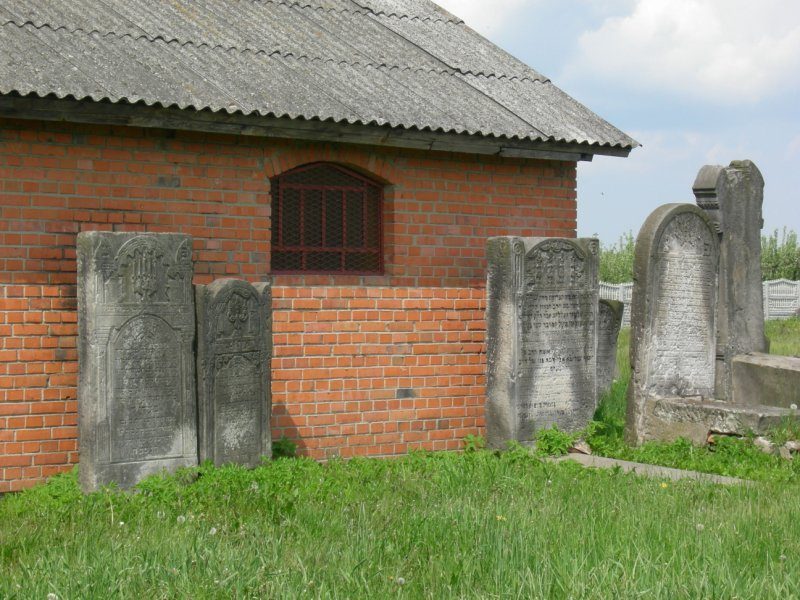
Chaim Elazar Spira died in 1937, and by 1944 the town’s Jewish world had been smashed by ghettoisation and deportation. That is the brutal arithmetic of the place. Yet Munkács did not vanish. It moved. The dynasty survived in Brooklyn. Its voice survived in study halls. Its name still carries the old edge, even when the shoes are new.
That is why Munkács matters to the atlas. It is not only a town of loss. It is a town that trained a style of continuity - disciplined, argumentative, proud - and sent it onward.
It looked provincial until you listened. Then it sounded like the centre.
Chaim Elazar Spira, the Minchas Elazar
Spira led the Munkács community from 1913 until his death in 1937 and made the town famous for its forceful Hasidic anti-Zionism and exacting halakhic culture. His grave and the surviving memory of his court still function as points of pilgrimage and identity for the Munkacs dynasty.
United States Holocaust Memorial MuseumAfterlife
What Munkács left behind was not a museum piece. It left a habit of mind. The court taught that seriousness could be beautiful, that disagreement could be inherited, and that a small town could pull a whole world towards it. That is the sort of power worth keeping in the atlas.