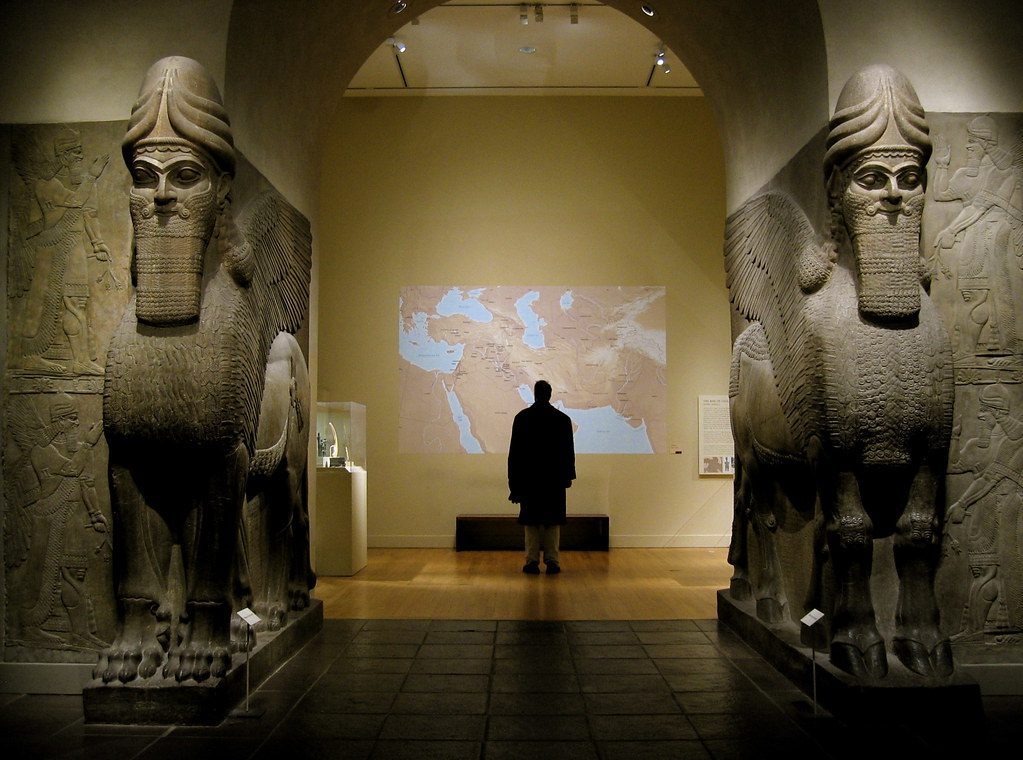
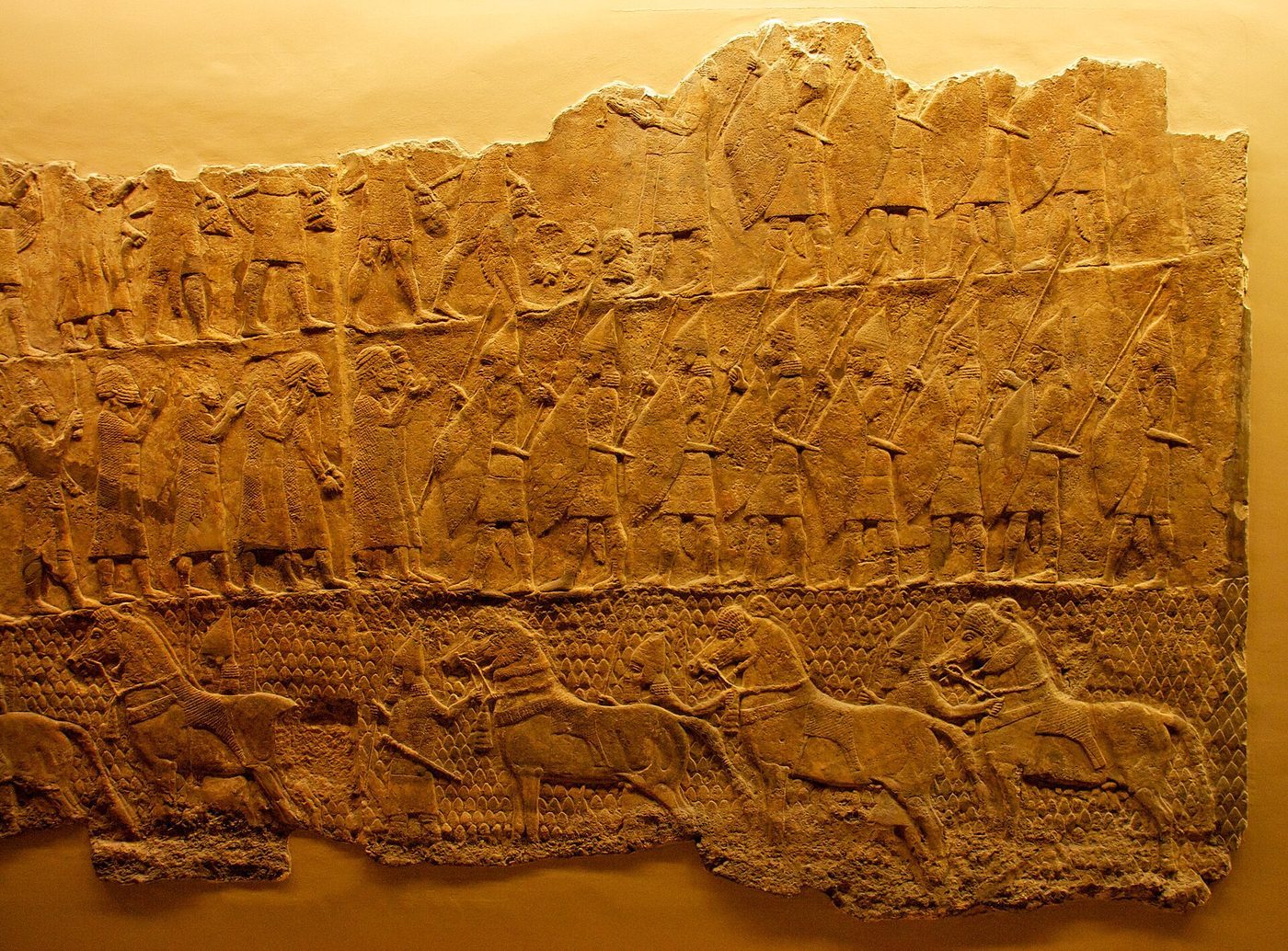
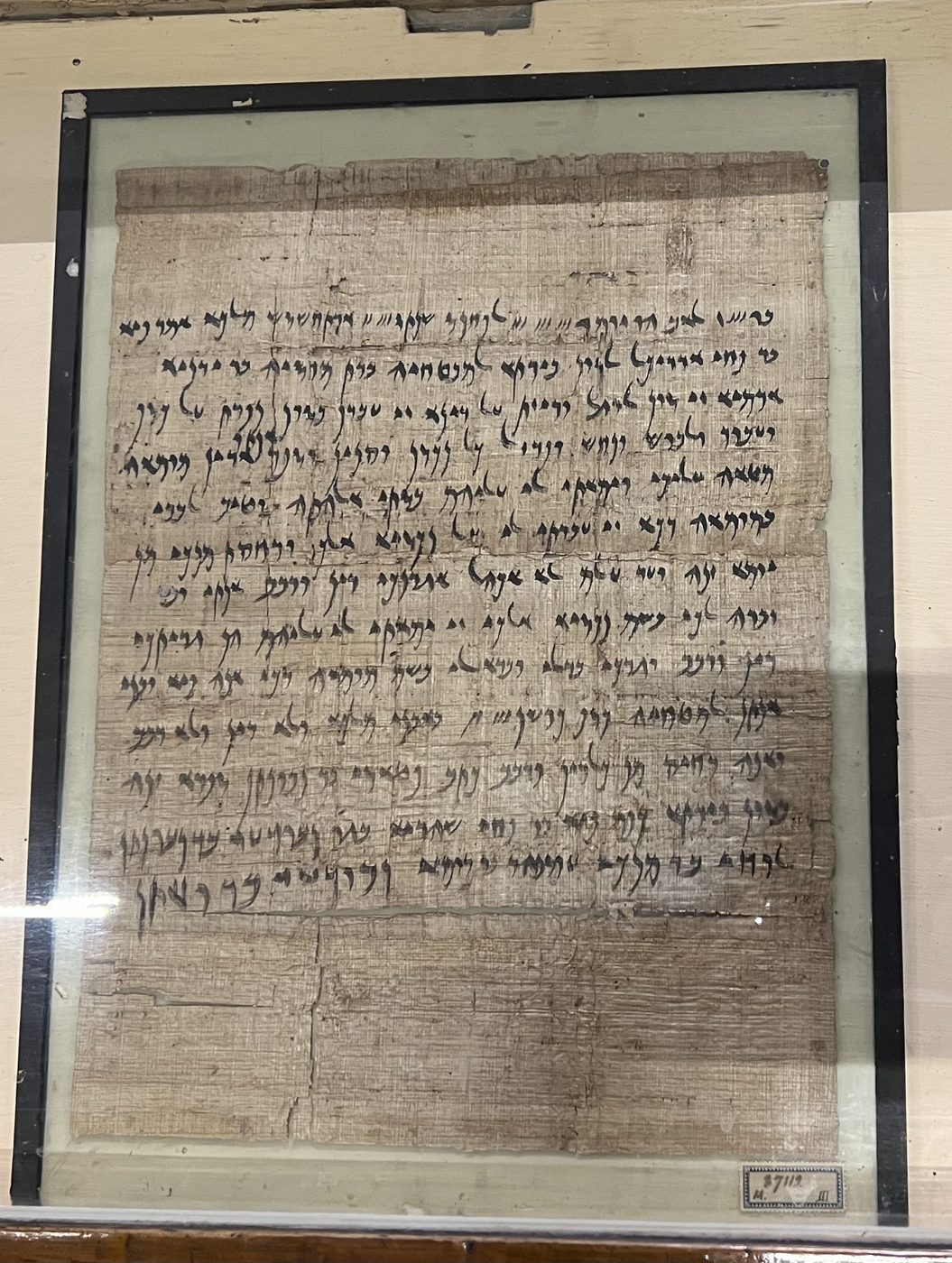
Ashur is a name that should make any Israelite reader sit a little straighter. It was one of the centres of Assyria, the empire that carried deported families east, and it remains a reminder that exile was first managed by paperwork and roads before it became poetry.
The point is not just the violence. It is the scale of the machine, which was large enough to absorb a people and still leave them visible in the record.
Deportation and administration
The Assyrian state moved populations with purpose. Israelite families taken east were folded into an imperial order that knew how to record, tax and relocate people without pretending it was being kind.
For Jewish memory, that made Ashur a place of rupture. It is where exile began to feel bureaucratic, and therefore harder to escape.
Assyrian royal annals
Assyrian royal inscriptions record the deportations of northern Israelite populations under kings such as Tiglath-Pileser III and Sargon II. These texts are the hard administrative underside of the biblical exile story.
British Museum; Assyrian royal annalsA ruin scholars still read
Ashur later became an archaeological site whose ruins are studied for the statecraft that once lived there. The empire is gone, but the paperwork remains legible.
That is the irony here. The power that tried to make the exiles vanish is now visible mainly in exhibits and footnotes.
Excavations at the Assyrian capital
Excavations at Ashur and related Assyrian sites have uncovered palaces, archives and reliefs that document the imperial world behind the deportations. Museums now hold much of that record, where it can be read without the old army standing over it.
Deutsches Archäologisches Institut; British MuseumThe lesson of Ashur
Ashur matters because it names the empire that first made exile administrative. The people survived the machine anyway.
The lamp faces the ruins of the one who tried to move us off the map.