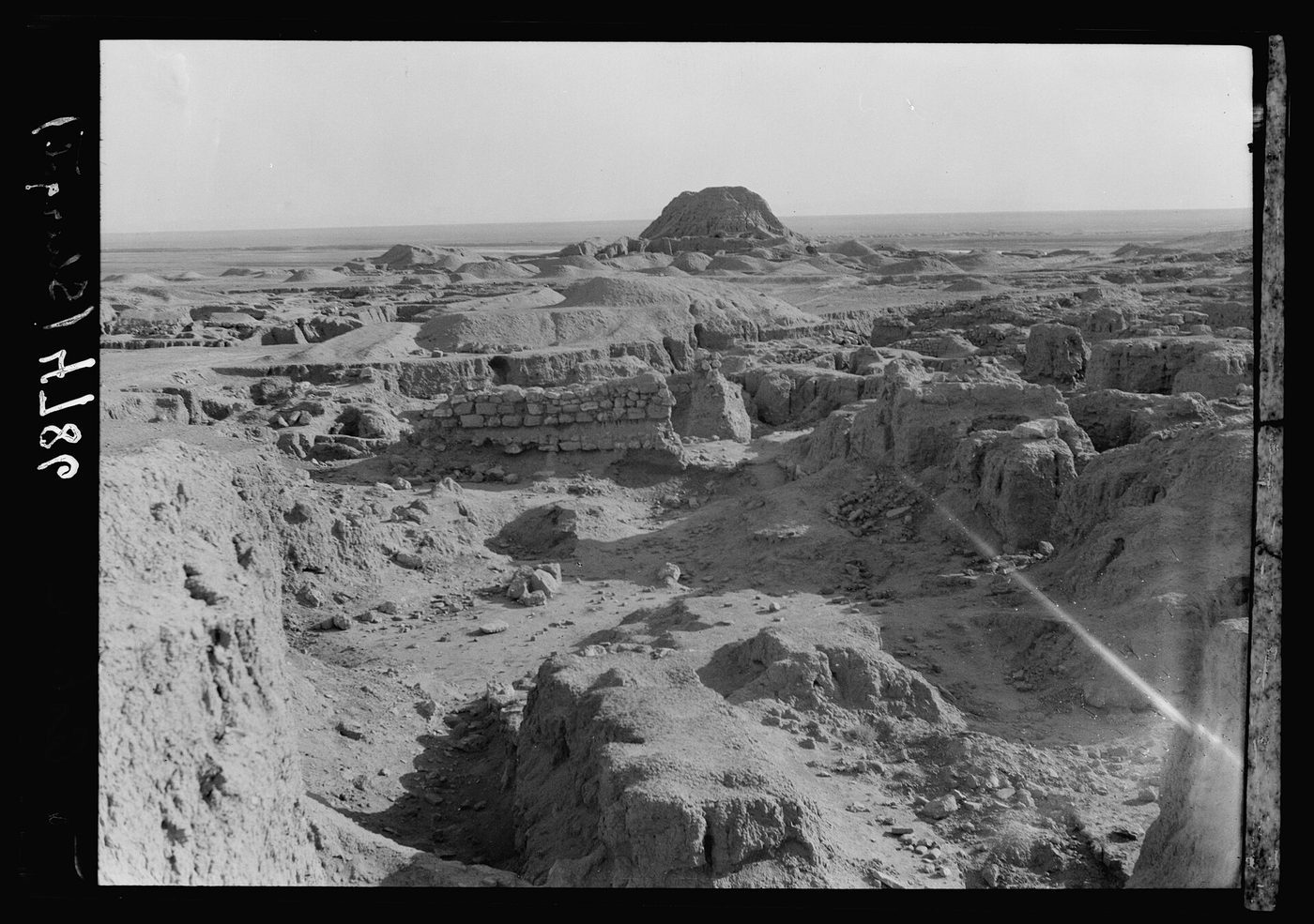
Syene, modern Aswan, is the sort of place history uses when it wants a border that can be measured by feel. Across the river at Elephantine, Judean soldiers and their families lived in the fifth century BCE under Persian rule.
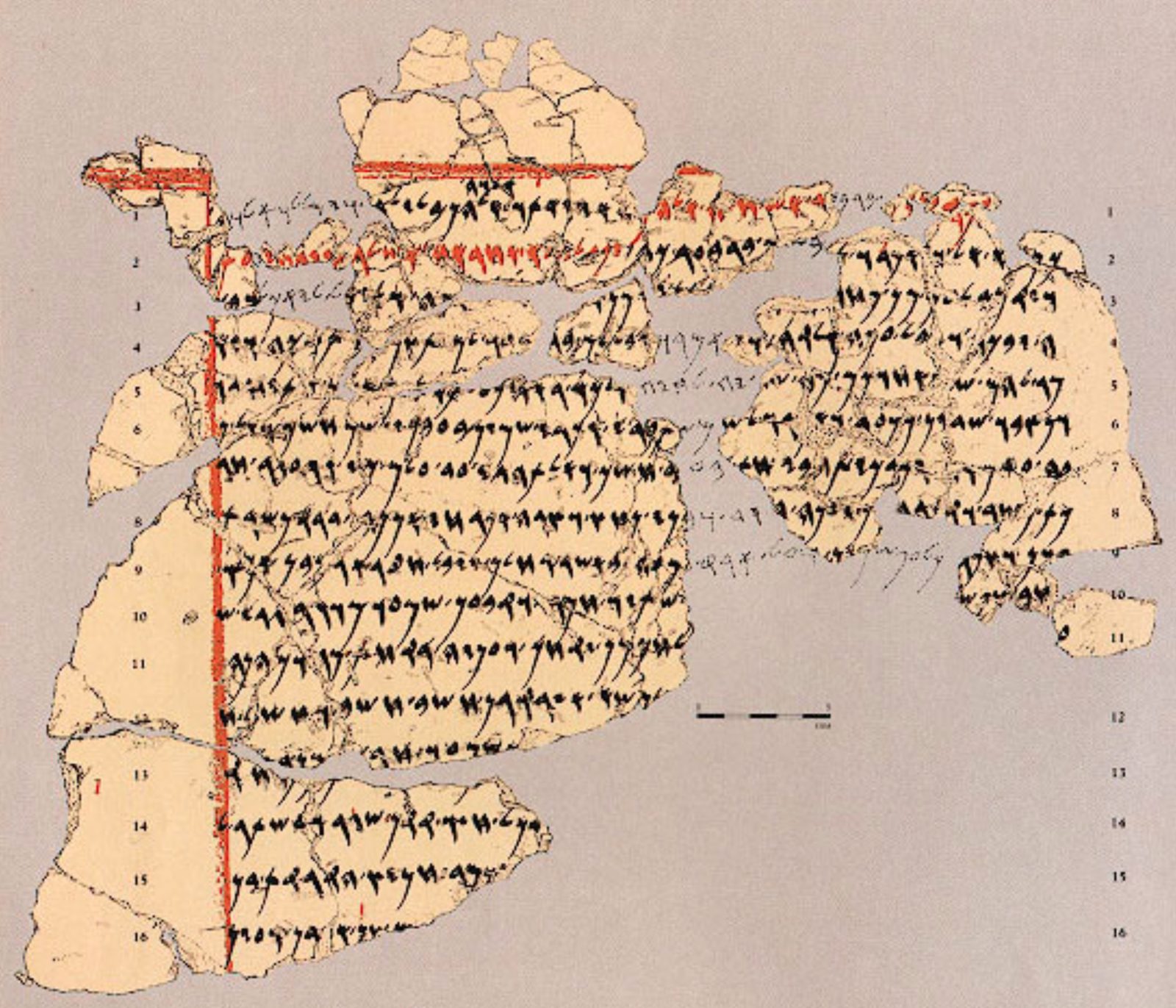
The letters are not abstract. They include the Passover Letter of 419 BCE and other documents that show a Jewish community keeping time, law and argument on the southern edge of Egypt.
The frontier writes back
Then comes the sharp moment: in 410 BCE the local Judean temple was destroyed. Exile here was not only geography - it was paperwork, petition and repair.
The garrison's archive survives in Aramaic on papyrus and potsherd: marriage deeds, loans, lawsuits and letters that record a working community rather than a memory of one.
The Passover Letter
The Passover Letter from Elephantine, discovered in 1907 and now in the Egyptian Museum of Berlin, gives instructions for the festival in Imperial Aramaic. It is one of the clearest surviving windows onto the community.
Bezalel Porten, The Elephantine Papyri in English; Egyptian Museum of BerlinA temple on the riverbank
Then comes the sharp moment: in 410 BCE the local temple to Yahweh was destroyed. Exile here was not only geography - it was paperwork, petition and repair.
The scene remains visitable because the record is made of objects that did not know they were going to become famous.
Exile does not always look like wandering. Sometimes it looks like a fort with a letter problem.A fort with a letter problem
The temple is destroyed
In 410 BCE the Jewish temple at Elephantine was burned down. The surviving papyri preserve the community's requests for help rebuilding it, which is about as documentary as exile gets.
Bezalel Porten, The Elephantine Papyri in English; Egyptian Museum of BerlinWhat Aswan still holds
The southern edge of Egypt still carries a Jewish trace because the papers survived and the island did not swallow them.
Frontiers like this remember through documents.