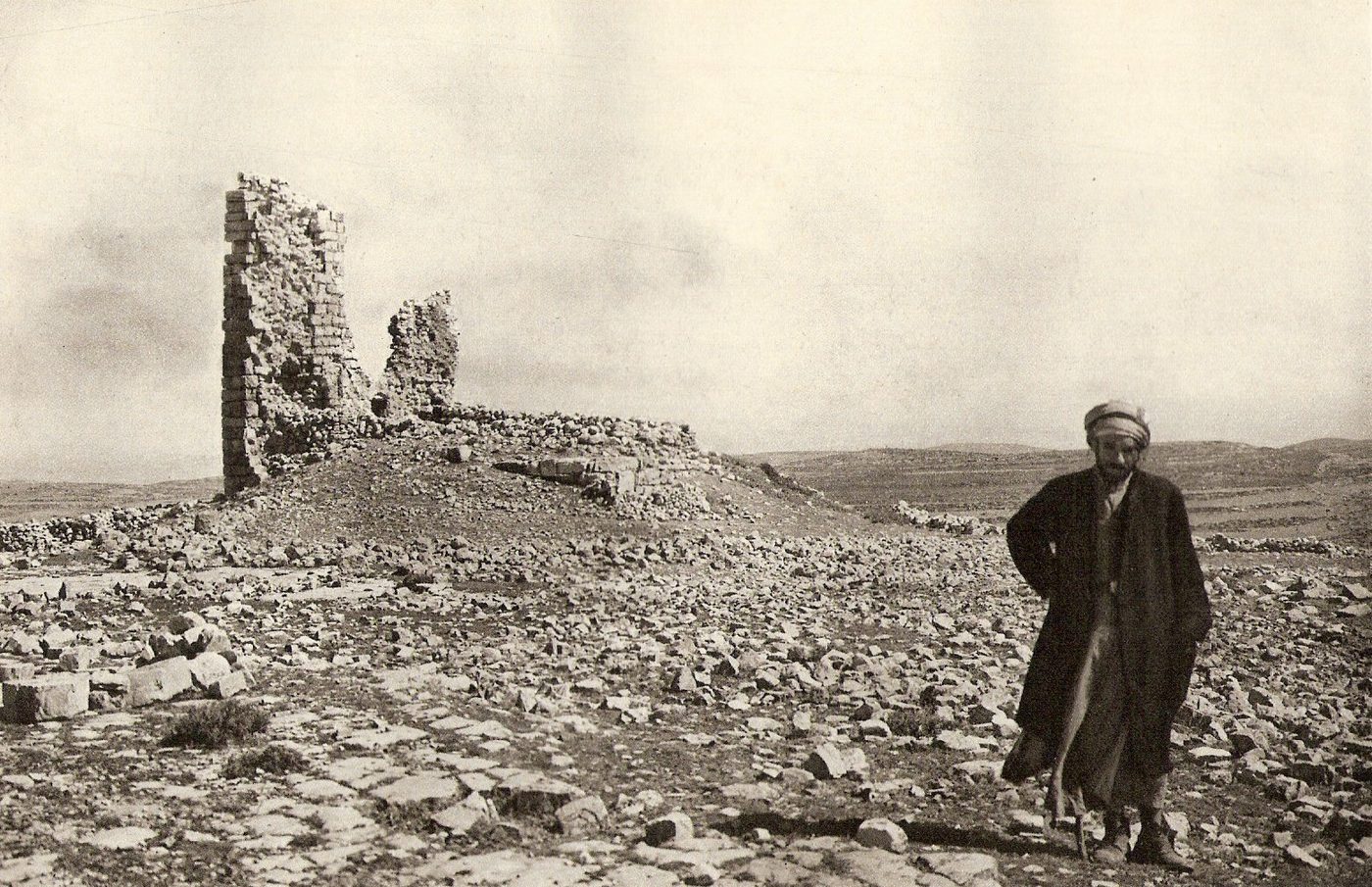
Machaerus is one of those high places that seems designed to remind everyone below it who is in charge. Herod the Great understood the value of a ridge with deep ravines around it. The site watched the eastern side of the Dead Sea and made the landscape itself part of the defence.
That makes Machaerus both a military site and a visual statement. It says power liked the view. It also says the view was useful when the fighting started.
Herod’s ridge
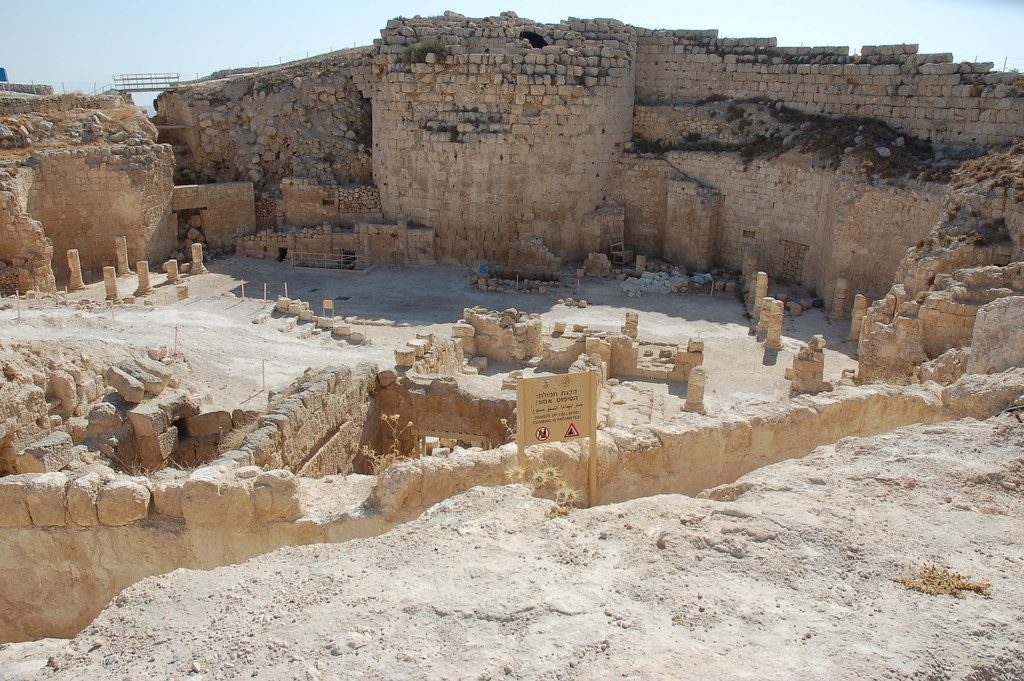
Josephus described Machaerus as a formidable stronghold, and later archaeology confirmed the scale of the complex. The palace, courtyard and cisterns show a place built to last and to dominate. The site became famous again because of its association with Herodian power and the New Testament tradition around John the Baptist.
But the important thing here is simpler than fame. Machaerus is a model of how Jewish history in the Second Temple period often ran through terrain. A ridge is never merely a ridge if the kingdom needs it.
Herod's fortress at Machaerus
Josephus gives a detailed description of Machaerus as one of Herod’s strongest fortresses, with palace, bath and defensive walls adapted to the ridge. The record makes clear that this was no mere lookout point. It was a royal machine.
Josephus, The Jewish WarRebuilt
Modern excavation and reconstruction brought the site back into public view. In 2014, two columns were re-erected by anastylosis, and later work restored them again after vandalism. The mountain still takes work to hold, which seems appropriate.
A ridge is never merely a ridge when a kingdom needs it. Machaerus proves the point.
Anastylosis at Machaerus
Archaeologists re-erected columns at Machaerus in 2014 and restored them again in 2023 after vandalism. The site remains a working archaeological landscape rather than a frozen ruin.
Biblical Archaeology ReviewWhat it says
Machaerus says that Jewish history is not only made in cities and synagogues. It is also made on ridges, in forts and in the hard business of holding a border. The view here was never decorative. It was the point.