Modiin is one of those names that sounds like a door opening. In the Hasmonean story, it is the family home from which Mattathias and his sons moved into revolt, and that movement turned a local place into a founding address for later Jewish memory.
The location is still debated, which is almost fitting. Ancient Jewish places often survive first as texts and only later as archaeology. Modiin lives exactly that way: as a memory with a footprint that scholars continue to measure.
The family tomb that started a dynasty
1 Maccabees places Mattathias and his family in Modi’in and describes the monument Simon built for his father and brothers. The site becomes an origin point not just because of revolt, but because the family chooses burial, memory and inscription as a public act.
That is the part worth keeping in view. The Hasmonean story begins in action, but it keeps returning to the grave. Jewish political memory often does that: it turns a burial place into a nation's register.
Simon builds the monument
1 Maccabees describes the monument for Mattathias and his sons at Modiin. The account makes the place the burial ground of a family that then becomes a dynasty, which is exactly the kind of story Jews keep carefully.
1 Maccabees; Modi’in (ancient city)A name borrowed back for the present
Modern Modi'in-Maccabim-Reut took its name from the ancient city, which is one of the ways the map keeps Hebrew history alive without turning it into stage scenery. The modern city is not the same place, but it deliberately inherits the old name.
That matters because the name does real work. It reminds the present that Jewish sovereignty was once anchored in local places and family lines before it became a modern political language.
For a site this famous, the best answer is often restraint. Modiin does not need to be overexplained. It needs to be recognised as the place where the Hasmonean story begins to breathe in a public way.
That is enough to make it a fixed point in the atlas: the family place from which a larger Jewish future was imagined.
A tomb can be a starting line. Modiin proves that Jewish memory knows how to begin there.
The site remains contested
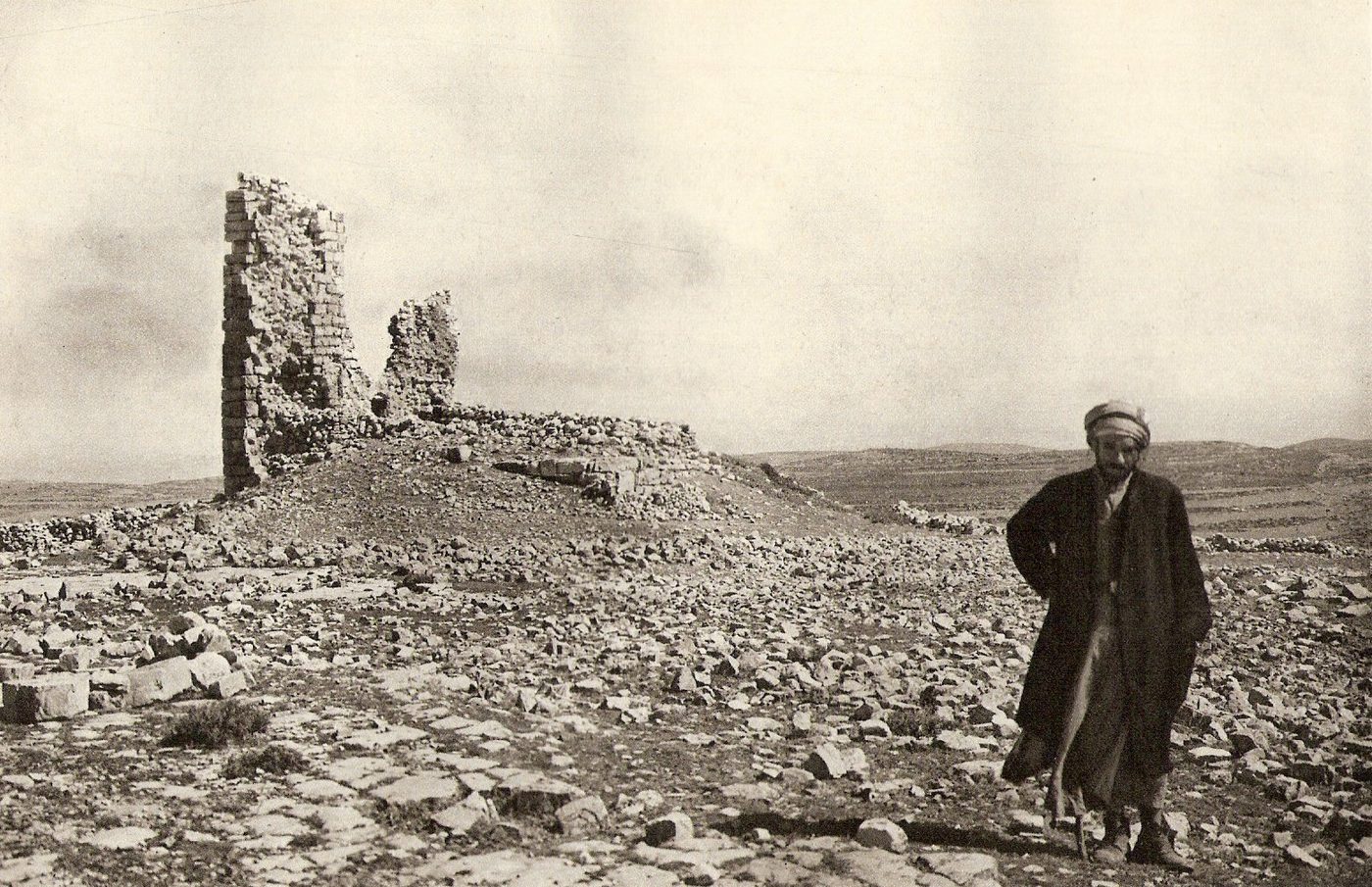
A 2015 archaeological assessment in Palestine Exploration Quarterly argued that the precise location of ancient Modiin remains uncertain. That kind of uncertainty keeps the site honest.
Palestine Exploration Quarterly; Modi’in (ancient city)The revolt keeps pointing here
Modiin matters because it sits at the point where narrative becomes inheritance. The city is small in the text, but huge in the memory that followed.
It is the sort of place that can carry a whole national argument without ever having to raise its voice.