Algiers was one of the great Jewish cities of North Africa under French rule. Spanish exiles, local families and later arrivals made a substantial urban community that wanted a public presence as modern as the city around it. The Grand Synagogue answered that desire in stone.
Then the country changed and the community thinned out. By the time Algeria was independent, the synagogue had become a mosque. The shell remained visible. The communal world that once filled it was gone.
Public Jews, public city
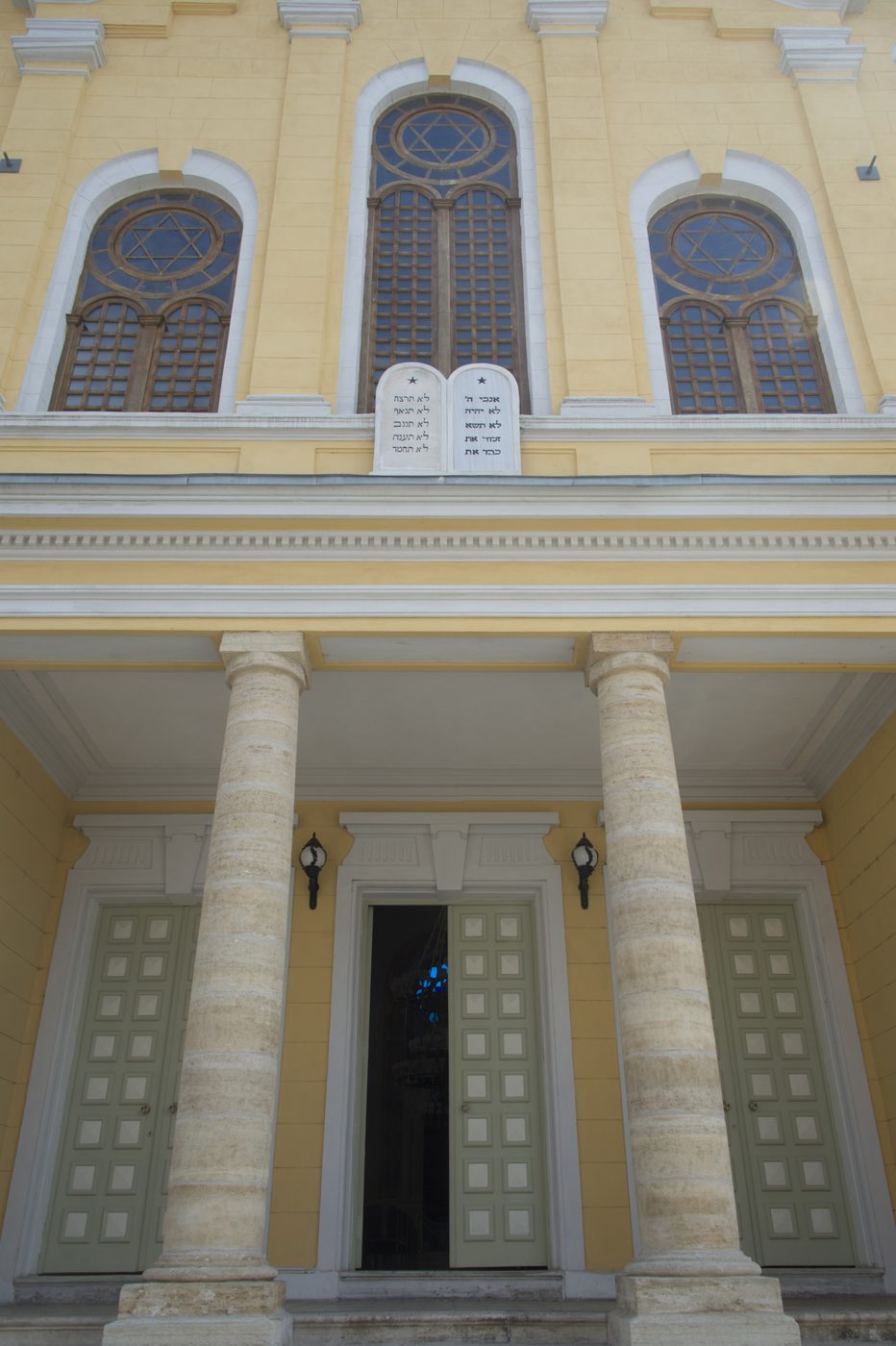
The 19th-century French project in Algiers made room for grand institutions, including synagogues that could stand alongside mosques and cathedrals. The Great Synagogue on Place Randon became the main Jewish house of worship in the capital. It was visible on purpose. Jews in Algiers were not hiding.
That visibility did not save the community from the politics of decolonisation and exodus. The city’s Jewish life moved on to France, Israel and elsewhere, leaving behind a building that now reads as an architectural afterimage.
Great Synagogue of Algiers
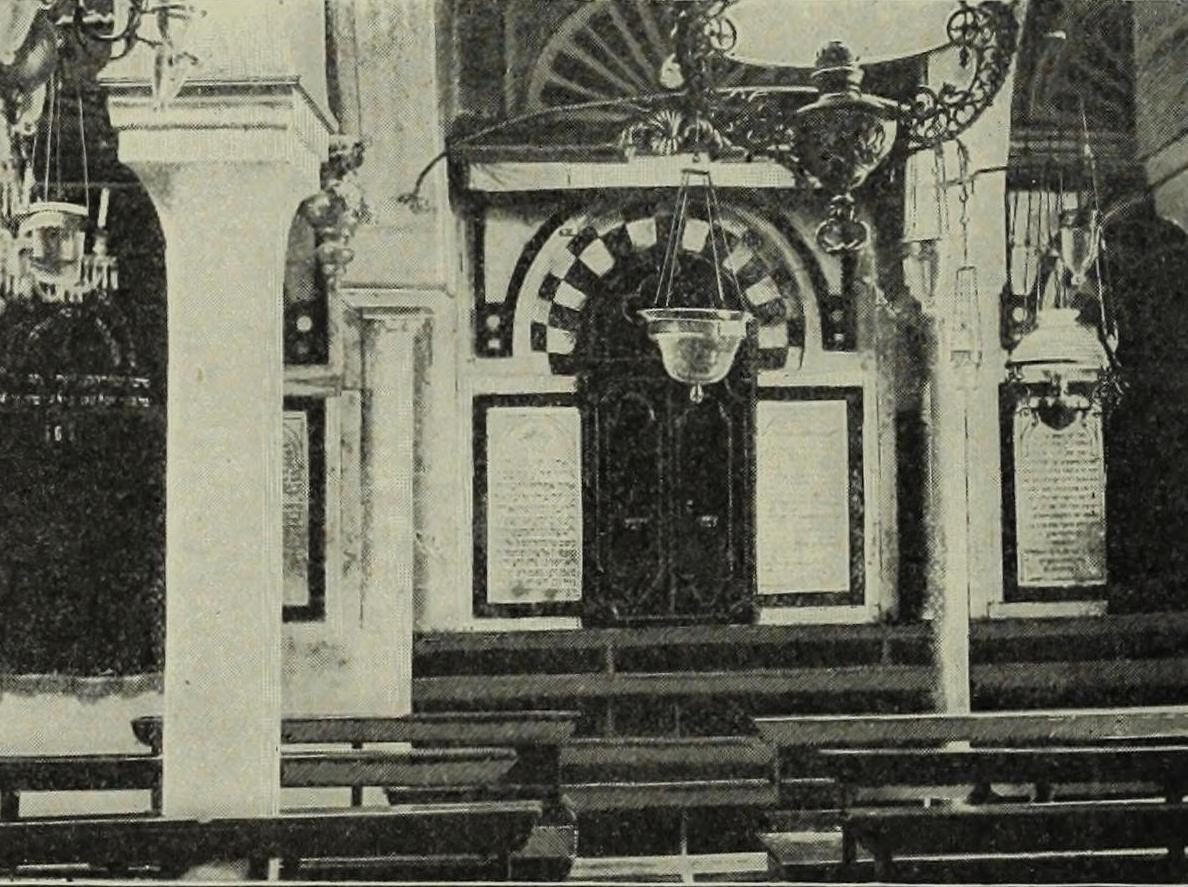
Inaugurated in 1865 on Place Randon, the Great Synagogue of Algiers was built as the city’s grand Jewish public house under French rule. It later became the Ben Farès Mosque, but the building still carries the footprint of the Jewish Algiers that made it.
The Centre for Jewish Art; Diarna: Digital Heritage MappingExodus
The independence period brought violence, panic and departure. By 1962 the synagogue had been repurposed as a mosque, and the old Jewish city was largely elsewhere. That is not a disappearance story. It is a transfer story, with a lot of pain in the middle.
Algiers still matters because the place shows how urban Jewish life could be woven into a colonial capital and then pulled out almost completely. The threads are still visible if you know where to look.
The shell remained visible. The communal world moved on.
Ben Farès Mosque
After Algerian independence, the former synagogue was converted into the Ben Farès Mosque. The building’s Jewish chapter ended in public view, which makes it one of the clearest architectural markers of the Algerian Jewish exodus.
The Centre for Jewish Art; Diarna: Digital Heritage MappingWhat remains
Algiers remains in the atlas because it shows the force of Jewish urban life and the bluntness of its interruption. The city still has the building. It no longer has the community that made it speak.