Herodium sits south of Jerusalem as both fortress and theatre. Herod built it to make power visible from a distance and defensible up close.
That combination of display and force is why the site still feels so Herodian: self-conscious, engineered, and impossible to mistake for accident.
A royal hill
Built in the late first century BCE, Herodium joined palace, tomb, and military logic into one terrain. It was a place where the king could be seen and protected at the same time.
The hill was not just occupied. It was composed.
Herod’s construction of Herodium
Herod the Great built Herodium as a fortified palace complex and burial place. The site remains one of the best examples of Herodian engineering, where landscape and royal theatre become the same thing.
Israel Antiquities Authority; archaeological reportsA rebel site as well as a royal one
During the Great Revolt, Herodium became a rebel stronghold before falling back under Roman pressure. That later history adds another layer: the hill served empire and resistance in turn.
The place is therefore both boast and wound.
Herod even reshaped the hill itself, raising its cone with engineered fill so the fortress-palace would stand higher than the ridges around it.
Herodium is what happens when a king tries to turn a hill into a signature.a hill into a signature
The Great Revolt reaches the hill
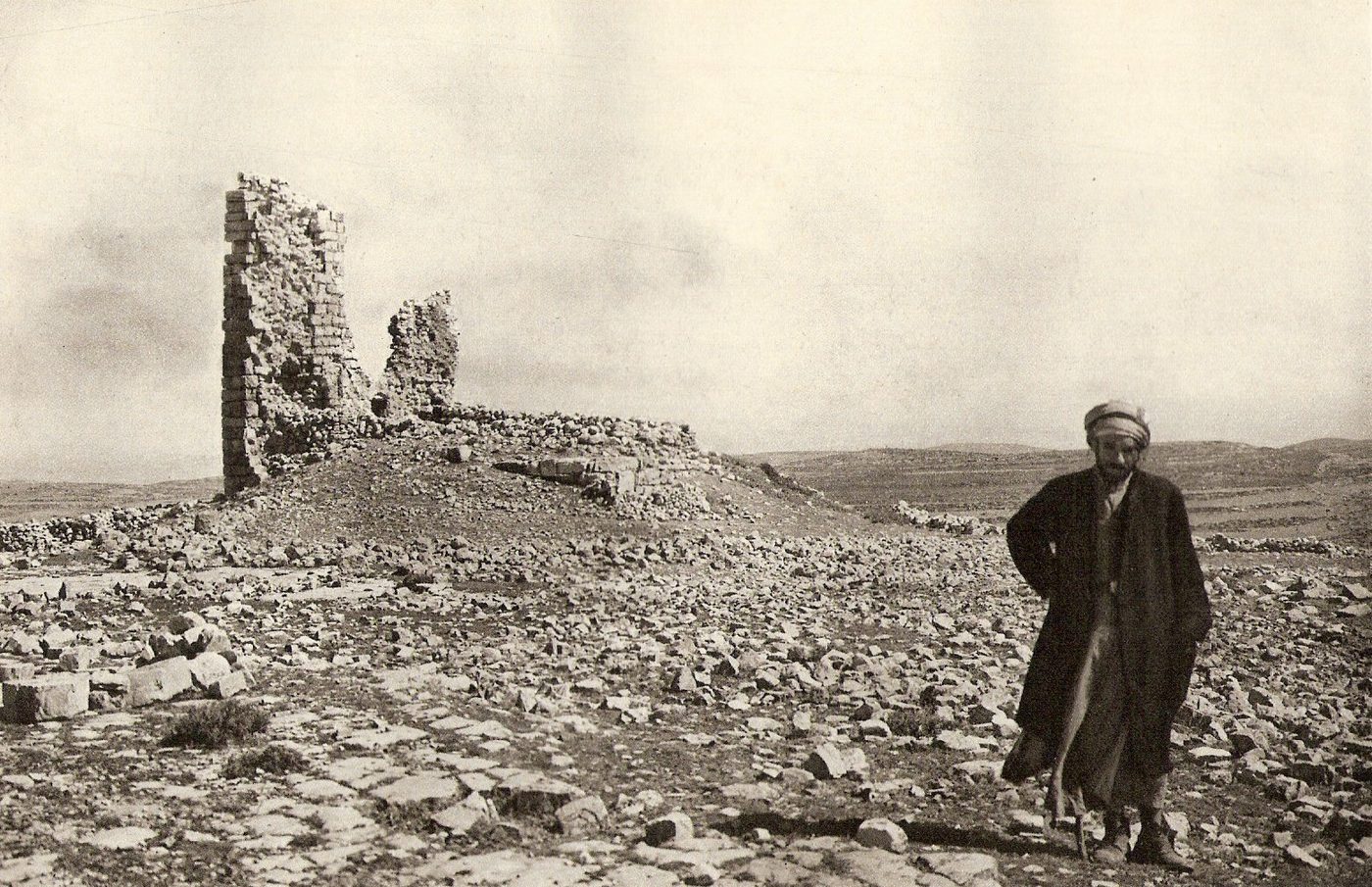
Jewish rebels held Herodium during the Great Revolt before the Romans recovered control. The later excavation of fortifications and tunnels turned that episode from a literary footnote into a physical event.
Israel Antiquities AuthorityA boast in stone
Herodium remains one of the clearest examples of power built into a landscape.
The hill still keeps its message, and the message is not shy.