Kotzk is one of those places that became larger after it was already small. The town itself was modest; the Jewish idea attached to it was not. Menachem Mendel of Kotzk turned severity into a spiritual method and truth into a discipline. The result was a Hasidic court that still feels more like a challenge than a comfort.
That is the charm of Kotzk, if charm is the right word. It refuses sweetness for its own sake. It expects the soul to arrive with its sleeves rolled up. That made the town famous and the rebbe unforgettable.
Truth without decoration
The Kotzker Rebbe was a disciple of the Pshiskhe circle and became known for a Hasidic style marked by criticism, inwardness and a radical dislike of performance. He did not want devotional theatre. He wanted honesty. That made him one of the most quoted and least domesticated figures in the Hasidic world.
The town gave him a name. He gave the town a mood that still travels. When later Hasidic writers invoke Kotzk, they are usually invoking a standard they do not especially want applied to themselves. That is how you know the standard survived.
Menachem Mendel Morgenstern
Born in 1787 and buried in Kotzk in 1859, Menachem Mendel Morgenstern became the Kotzker Rebbe and founded the dynasty that made the town a permanent word in Hasidic vocabulary. His legacy is not a building. It is a standard.
YIVO Encyclopedia of Jews in Eastern Europe; Menachem Mendel of KotzkThe town behind the name
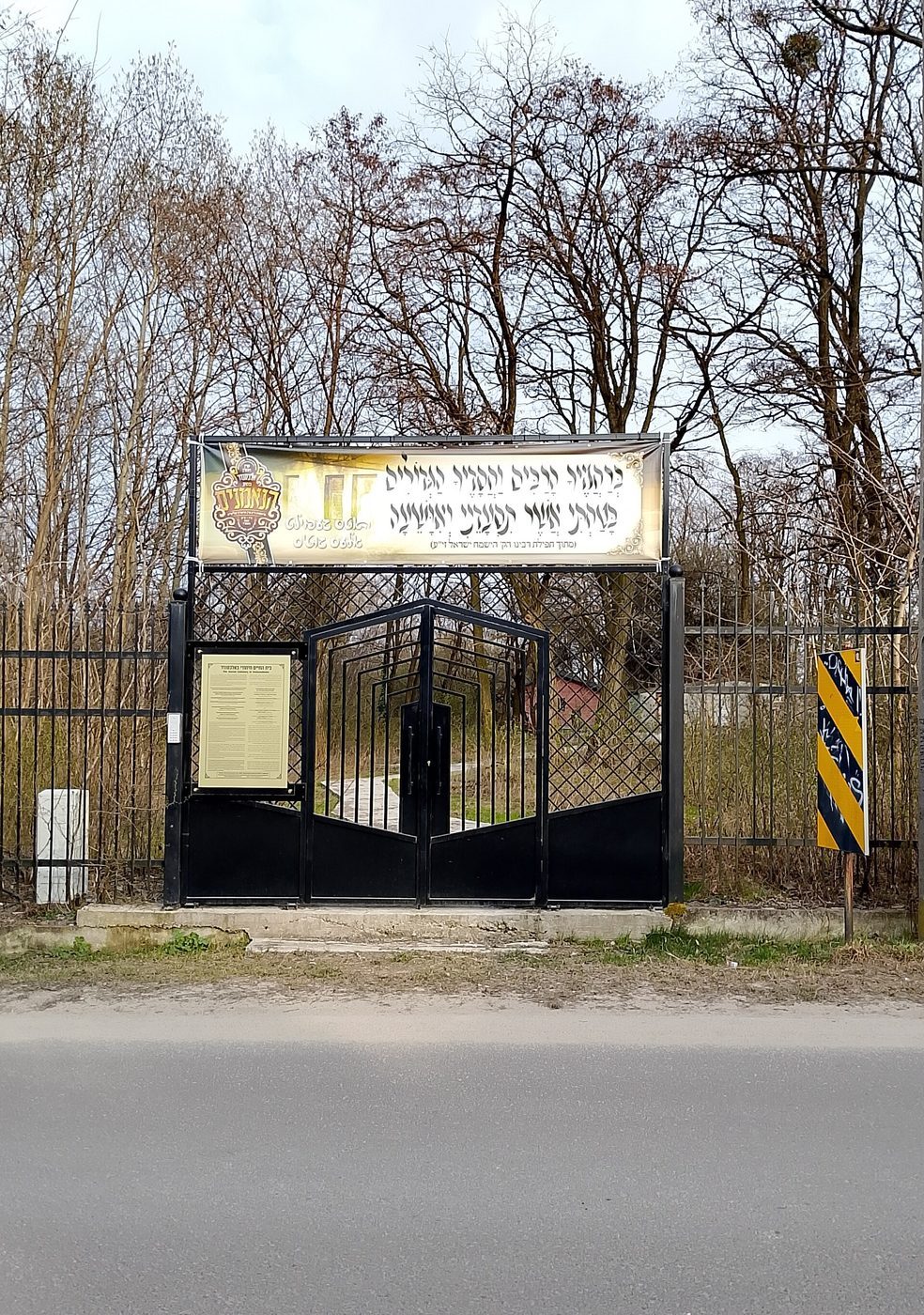
The town of Kock had a Jewish community by the seventeenth century and later became an important Hasidic centre. That matters because the court did not arise in a vacuum. It sat inside an actual community, one that later suffered terribly in the Holocaust, as did so many Polish towns that once felt permanent.
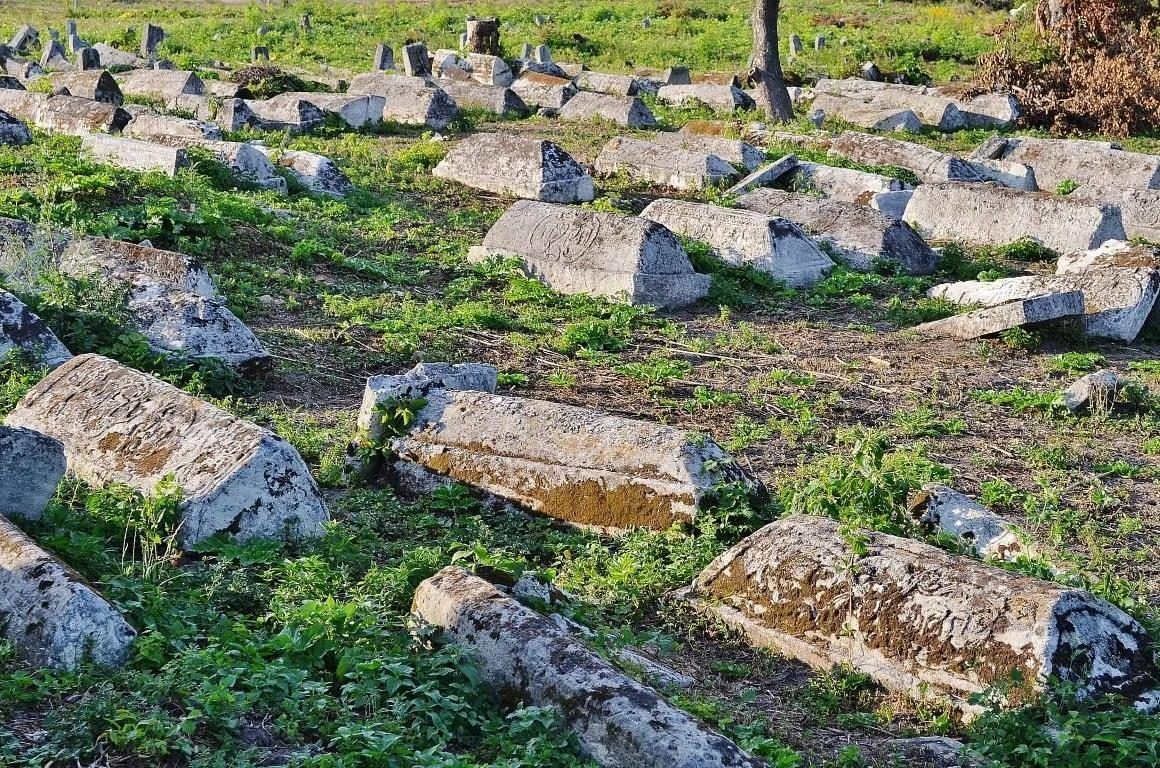
What Kotzk leaves behind, then, is a double memory: a place of spiritual severity and a place whose Jewish life was violently broken. Both belong in the record.
Kotzk became a byword for truth-telling. The standard survived.
The town of Kock
Kock had a Jewish community from the seventeenth century, became a notable Hasidic centre in the nineteenth, and saw its Jewish population destroyed during the Holocaust. The town’s Jewish story is therefore not just a rebbe story. It is a community story with a severe and tragic ending.
YIVO Encyclopedia of Jews in Eastern Europe; KockWhat remains
Kotzk remains because Jews still need words for the sort of religious seriousness that will not flatter them. The town gives that need a name. It is not soft, and that is why it lasts.