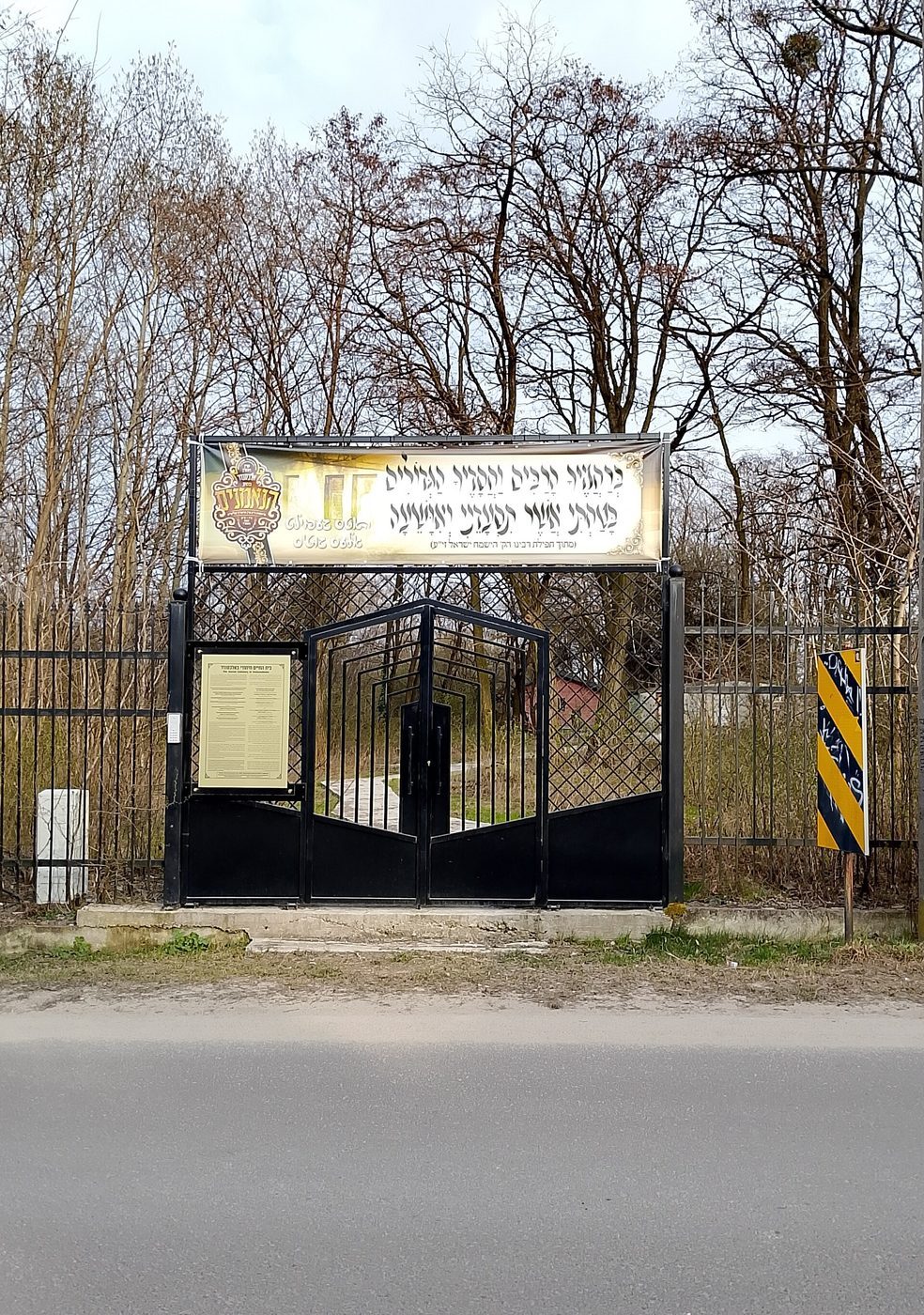
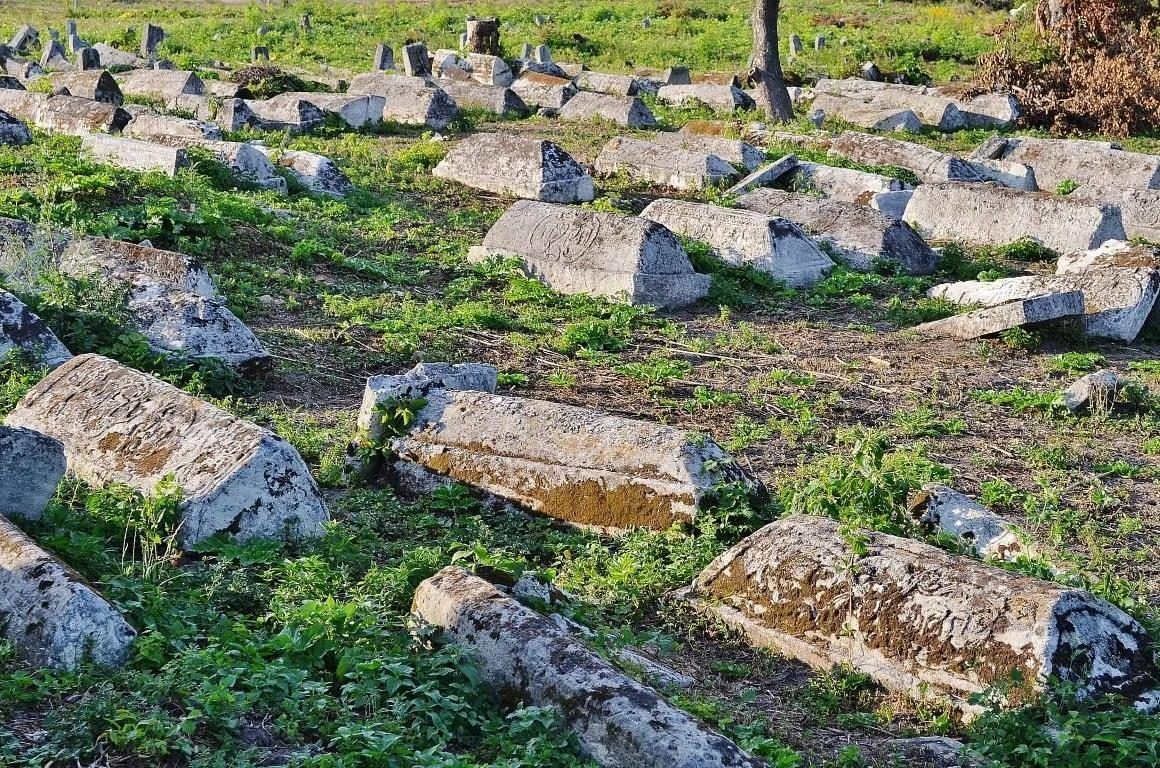
Skvyra is one of those Jewish place-names that keeps living after the map changes. The dynasty began there in the nineteenth century, but the community that really made it famous rebuilt itself elsewhere, in New Square, where the name survived the wreckage and kept its authority.
That move matters. It shows that a court is not only a building or a street. It is a tradition of speech, dress, learning and rule that can be relocated if the people who carry it know what they are carrying.
From town to transplant
The Skverer dynasty began with Rabbi Yitzchok Twersky in the mid-nineteenth century and grew into a recognisable Hasidic branch. After the war, his descendants and followers rebuilt in the United States, eventually founding New Square in Rockland County. The old town kept the name; the new town kept the pattern.
That pattern matters because it is a kind of inheritance that geography alone cannot explain. The court became a way of life, then a way of life became a township. Not many names get to do that.
Yitzchok Twersky of Skver
Yitzchok Twersky founded the Skverer Hasidic dynasty in Skvyra in the mid-nineteenth century. The dynasty later became one of the surviving Hasidic lines that rebuilt in the United States, carrying the town’s name across the Atlantic.
The YIVO Encyclopedia of Jews in Eastern Europe; Skverer Hasidic dynastyNew Square
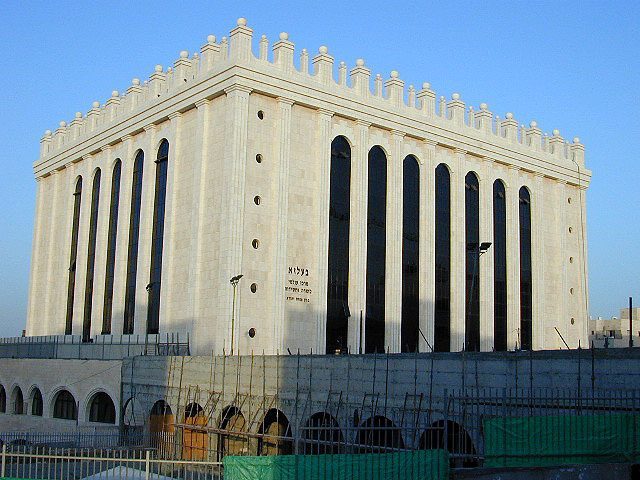
After the Holocaust, the Skverer court became one of the clearest examples of Hasidic transplantation. New Square, founded in 1956, was not a museum replica. It was a living town built to preserve the rhythm of the old one. That is a very Jewish solution to loss: make the pattern portable and keep going.
The result is a town that still sounds like the old name, even when the street signs do not. Skvyra lives there as a social form, not just as a memory.
Make the pattern portable and keep going. That is the Skvyra move.
New Square, Rockland County
The Skverer rebbe Yakov Yosef Twersky established the community in New Square in 1956 after the war. The town became the living American continuation of Skvyra, proof that a Hasidic court can survive by moving and rebuilding rather than by freezing itself in place.
The YIVO Encyclopedia of Jews in Eastern Europe; Skverer Hasidic dynastyWhat the atlas keeps
The atlas keeps Skvyra because it shows the tribe learning to carry a town inside itself. The court moved on, but the name did not lose its weight. That is enough to deserve a place on the map.