Düsseldorf’s Jewish story is one of destruction, rebuilding and vigilance. The city’s old synagogue was burned in 1938, the community was shattered, and then the postwar Jewish life came back in a modern building that has never been allowed to forget the past.
Today the community is large, visible and guarded. That is not an accident. It is the price and the proof of survival in postwar Germany.
Burned, then rebuilt
The first synagogue on the site, built in 1905, was burned during Kristallnacht. After the war, the community rebuilt on Zietenstraße and opened the new synagogue in 1958. The building did not imitate the old one. It announced a different era: modern, secure and unmistakably Jewish.
Düsseldorf then grew into one of the largest Jewish communities in Germany, much of it made up of immigrants from the former Soviet Union. The city became a centre not because it was peaceful, but because people insisted on making it one.
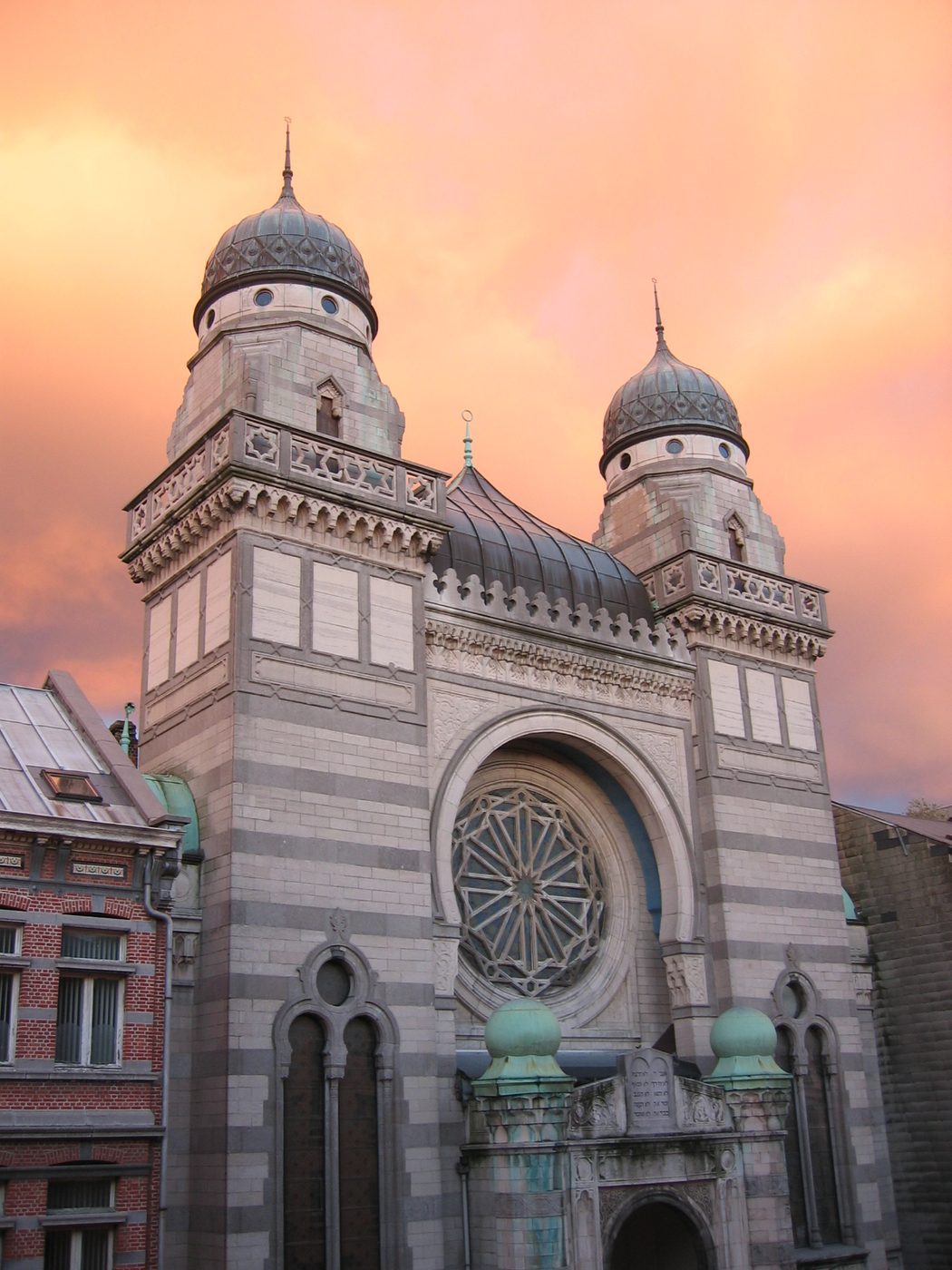
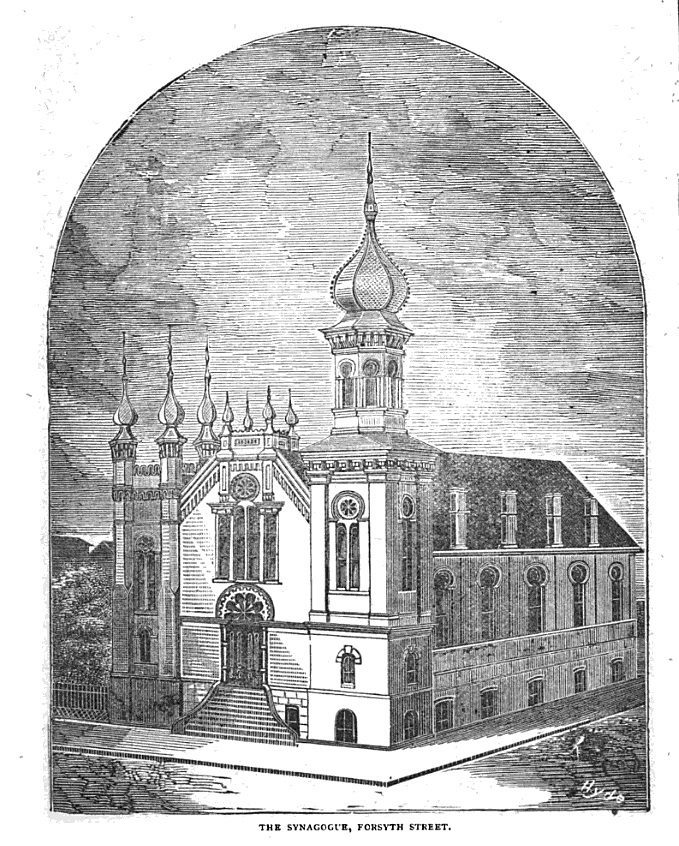
The old synagogue on Kasernenstraße
The first synagogue was built in 1905 and burned in 1938 during Kristallnacht. Its destruction is the wound the later city never stops answering.
New Synagogue, DüsseldorfReconstitution
The new synagogue opened in 1958 and later became the focus of a large, public community. Today the city has about 7,000 Jewish residents, the largest community in North Rhine-Westphalia, and the building sits under round-the-clock police protection.
That protection is ugly, but it is also honest. Düsseldorf does not pretend history ended. It simply makes room for Jewish life anyway.
It announces a different era. Modern, secure and unmistakably Jewish.
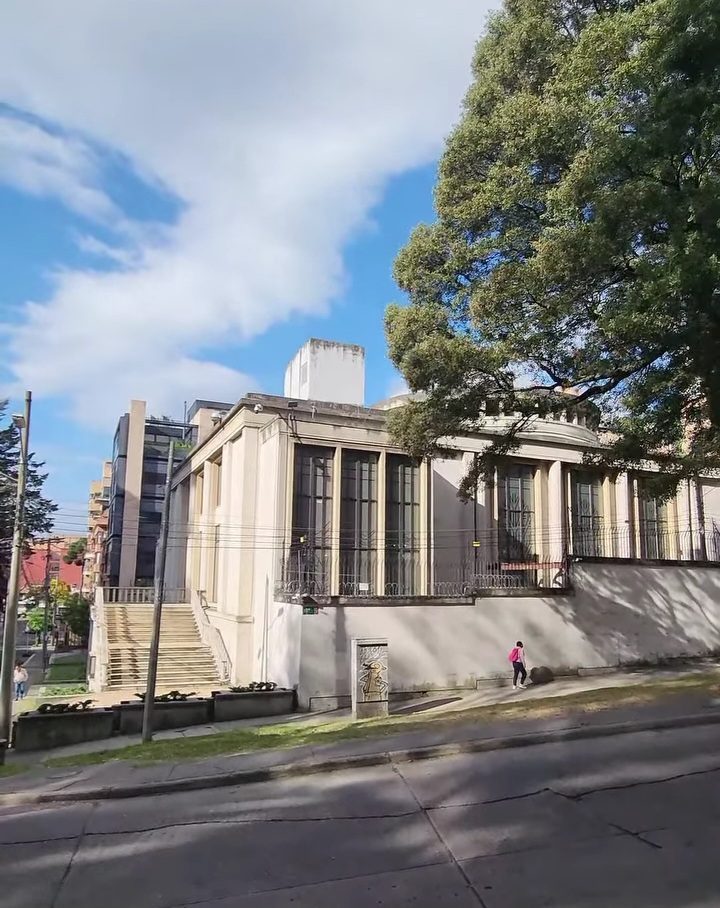
New Synagogue on Zietenstraße
The new synagogue was inaugurated in 1958 and remains the civic centre of Jewish Düsseldorf. Its watch, and the community around it, are one of the clearest signs of postwar Jewish rebuilding in Germany.
New Synagogue (Düsseldorf)What remains
Düsseldorf matters because it shows that Jewish life in Germany is not only a matter of memory. It is also a matter of present-tense community, guarded and unwilling to yield the city to the past.