Bogotá works slowly enough for institutions to matter. That helped Jewish newcomers turn a capital city into a civic home, not a passing address. By the early twentieth century, families arriving from the Caribbean coast, Europe and the eastern Mediterranean were already building the habits that would become the community's spine.
If you want the quick version, it is this: Bogotá did not just receive Jews. It learned them. The city's altitude and order suited people who had to organise memory for a living, and the result is a community that still keeps more than one tradition in the same room.
From mutual aid to a proper address
The first durable structure was mutual aid. The Junta Hebrea de Bogotá appeared in 1918, and in 1929 the Centro Israelita de Bogotá was founded. That sequence matters. It shows a community moving from informal protection into public confidence, the usual Jewish route when a town proves worth staying in.
By the middle of the century, Bogotá held Ashkenazi, Sephardi and German institutions in parallel. That did not make the community neat. It made it resilient. Different arrivals kept their own kitchens and prayer books, but the same city streets led them all to the same communal door.
The Junta Hebrea and the Centro Israelita
The Junta Hebrea de Bogotá formed in 1918, and the Centro Israelita de Bogotá was founded in 1929. Together they mark the shift from scattered families to an organised community with its own public house.
Centro Israelita de Bogotá; History of the Jews in ColombiaThree strands, one capital
The city's Jewish map is still visibly plural. Ashkenazi, Sephardi and German communities maintain distinct institutions, yet they share a civic language and a national address. In Bogotá, that is not a sign of weakness. It is a working arrangement, and it has lasted.
The twentieth century brought new arrivals and new anxieties, but also enough stability for schools, synagogues and a museum culture to emerge. The city's Jewish life is not performative. It is administrative, domestic and durable, which is usually how it survives best.
The point is not scale. It is concentration. Bogotá holds the largest share of Colombian Jewry, and the concentration has given the community enough critical mass to sustain education, worship and memory in the same city block. That is why the capital matters so much more than a population table would suggest.
A mountain city can feel airless if you are only passing through. For the Jews of Bogotá, that altitude became a kind of clarity. They built slowly, kept their own counsel, and stayed long enough to become part of the capital's grammar.
A capital that learns to keep several Jewish accents at once is doing more than hosting a minority. It is being taught a steadier civic grammar.
The Centro Israelita and its museum
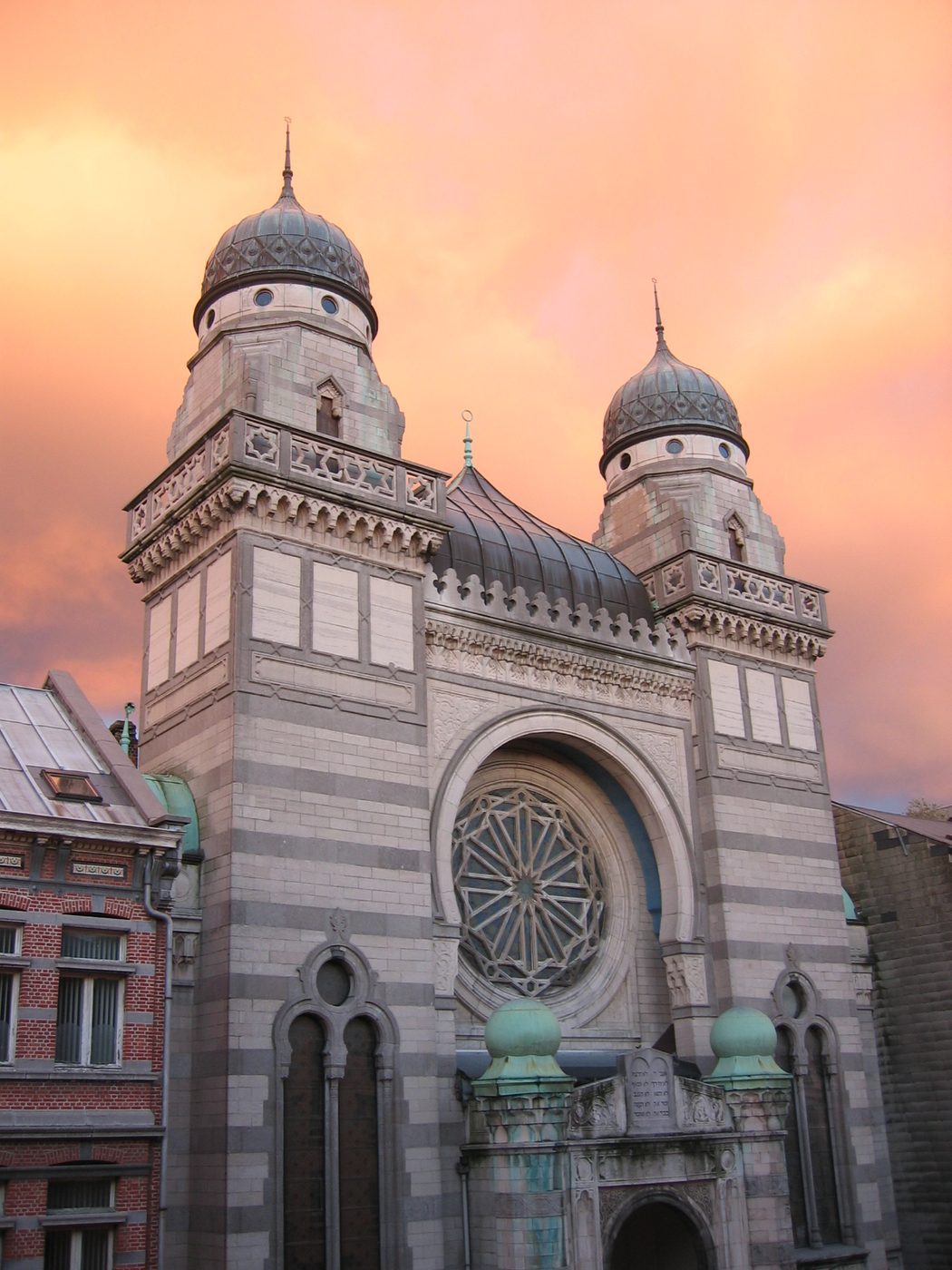
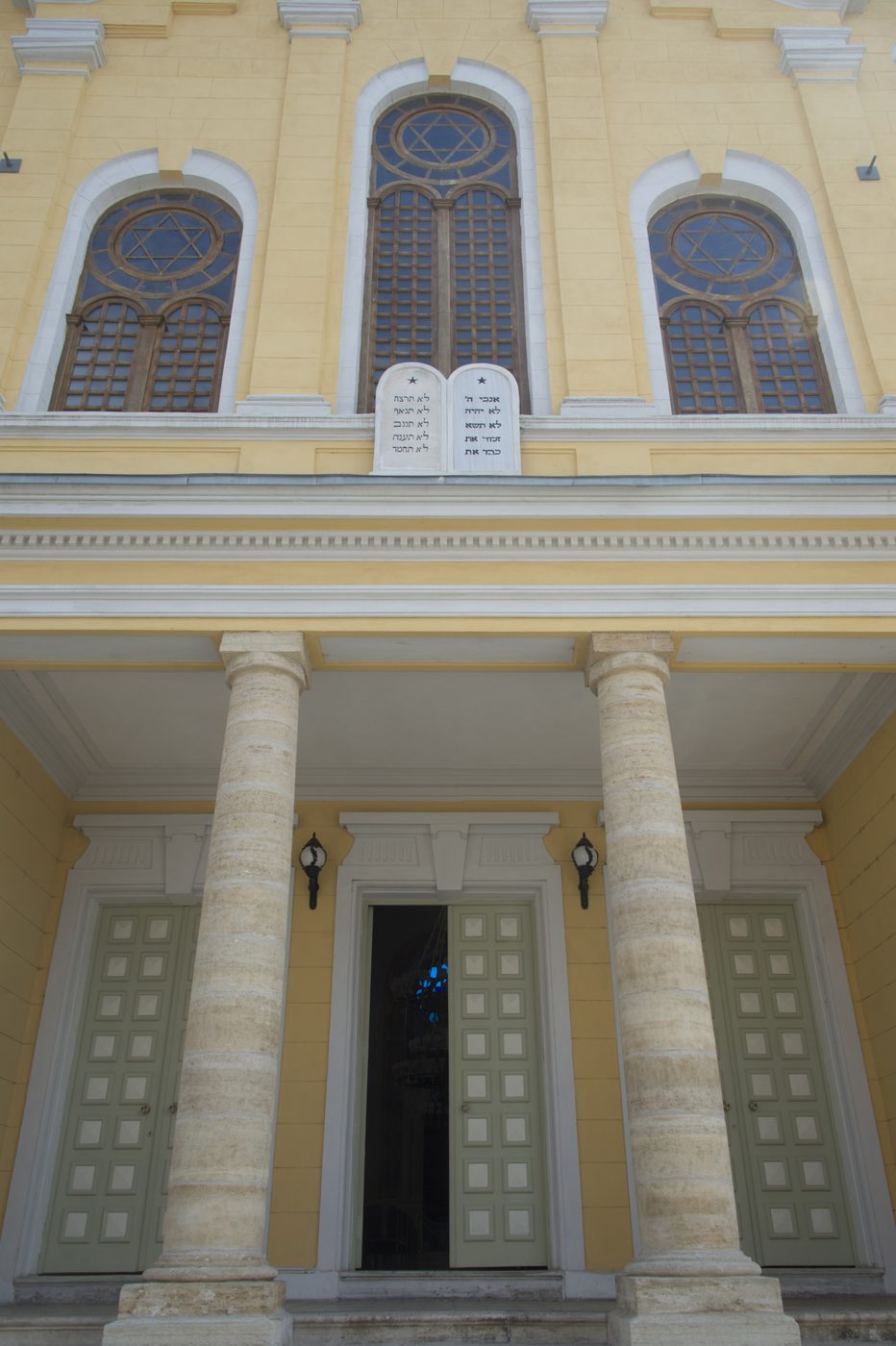
The Centro Israelita de Bogotá has been the community's main house for generations, and in 2021 its museum made the archive visible in public. The room now tells the story back to the city that helped write it.
Centro Israelita de Bogotá; Museo del CIBBogotá keeps the city version
What Bogotá proves is that a capital city can be more than a seat of government. It can be a repository of several Jewish inheritances at once, and still leave each one room to breathe. That is the achievement here: not a single dominant story, but a shared civic address.
The lamps are not many, compared with the great Jewish cities of Europe or the Levant. They do not need to be. In Bogotá, the point has never been volume. It has been permanence.