Derbent is a city of gates, walls and narrow streets, which is exactly the kind of geography Jews have a way of making useful. Mountain Jewish life here runs deep - medieval travellers saw it, Russian officials counted it and modern history has tried and failed to erase it.
The city sits on the Caspian shore, but its Jewish identity is older than any modern border. Derbent became one of the main centres of the Mountain Jews, and the city’s Jewish quarter was long part of the urban map.
Merchants, rabbis, counts
Benjamin of Tudela saw Jews in Derbent in the twelfth century, and later Russian-era growth made the city the spiritual centre of Mountain Jewry. That produced rabbis, schools, a synagogue culture and a commercial life tied to the Caspian and to the mountain villages behind the city.
Derbent’s Jews were not a decorative minority. They were part of the city’s operating system. Viticulture, trade, fisheries and scholarly life all sat in the same frame.
Imperial census of Derbent Jews
The 1897 census counted about 2,190 Jews in Derbent, roughly 15 per cent of the city. That is the sort of number that lets a community support synagogues, schools and a public voice of its own.
1897 Russian Empire census; Derbent historyThe synagogue
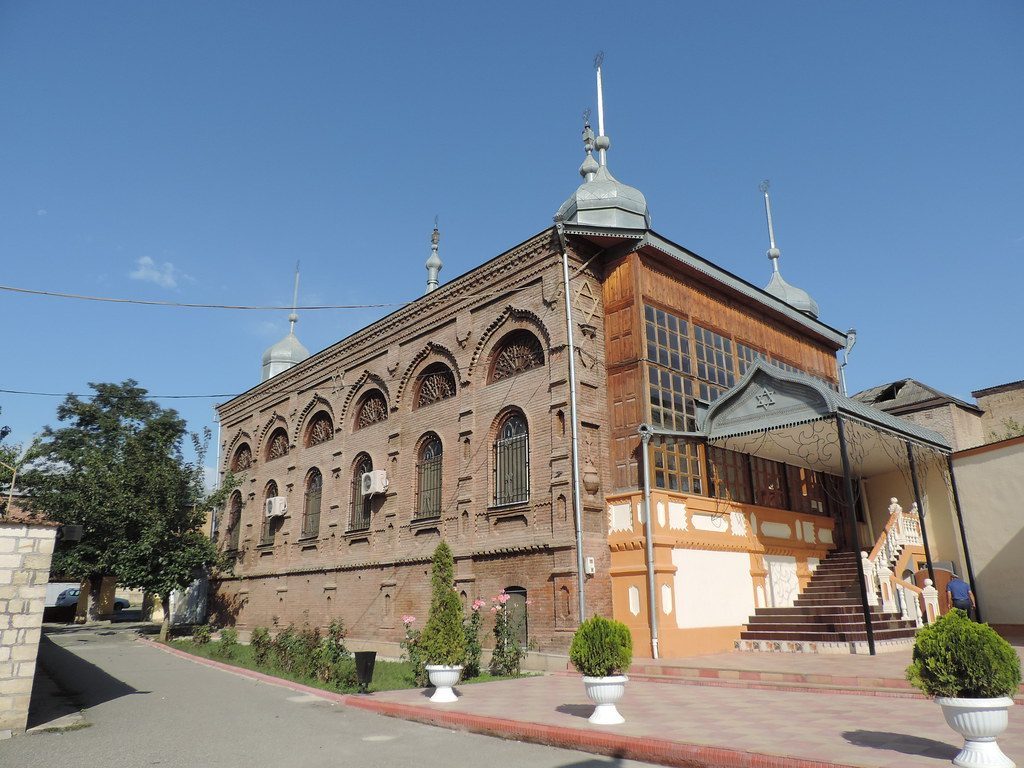
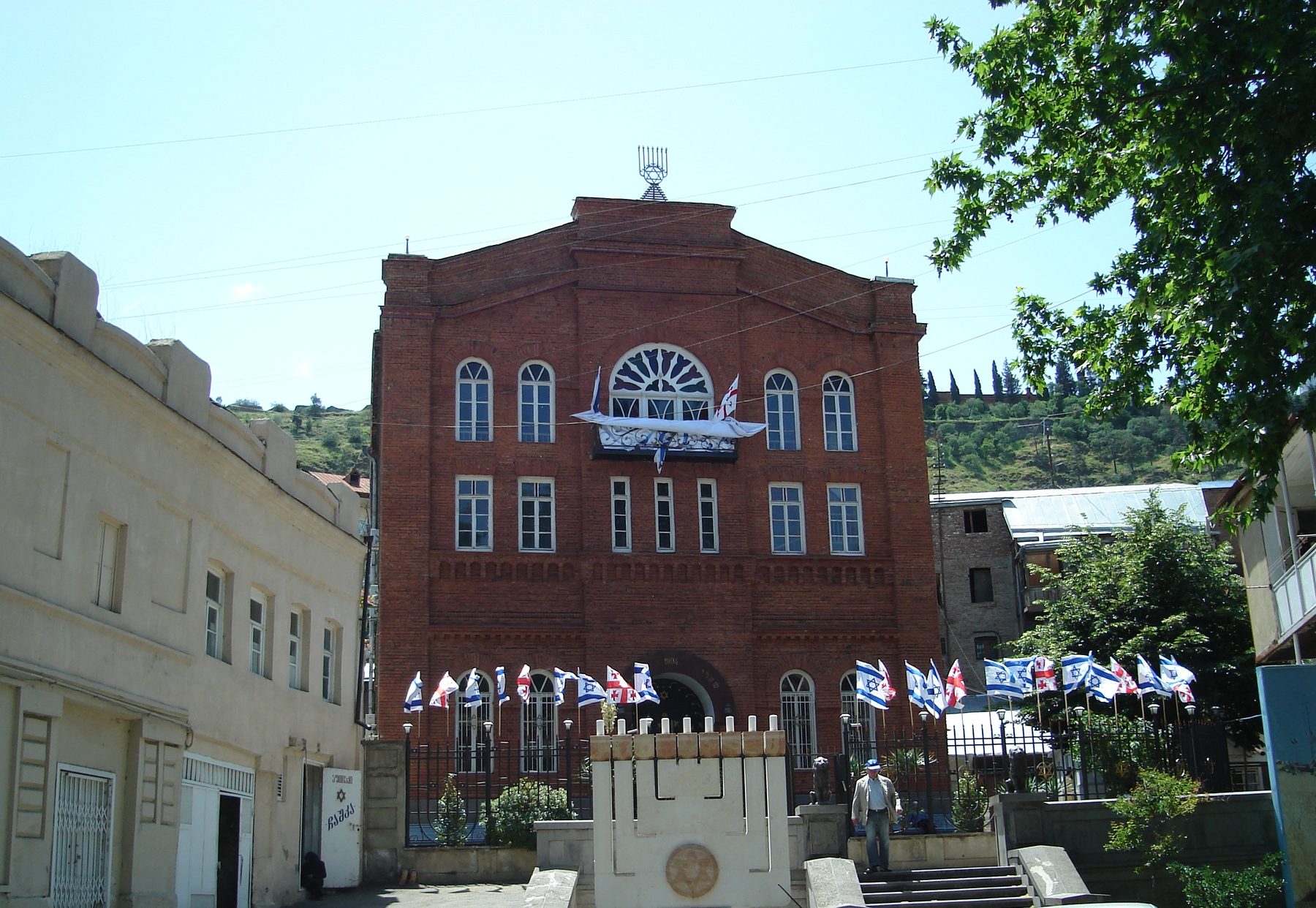
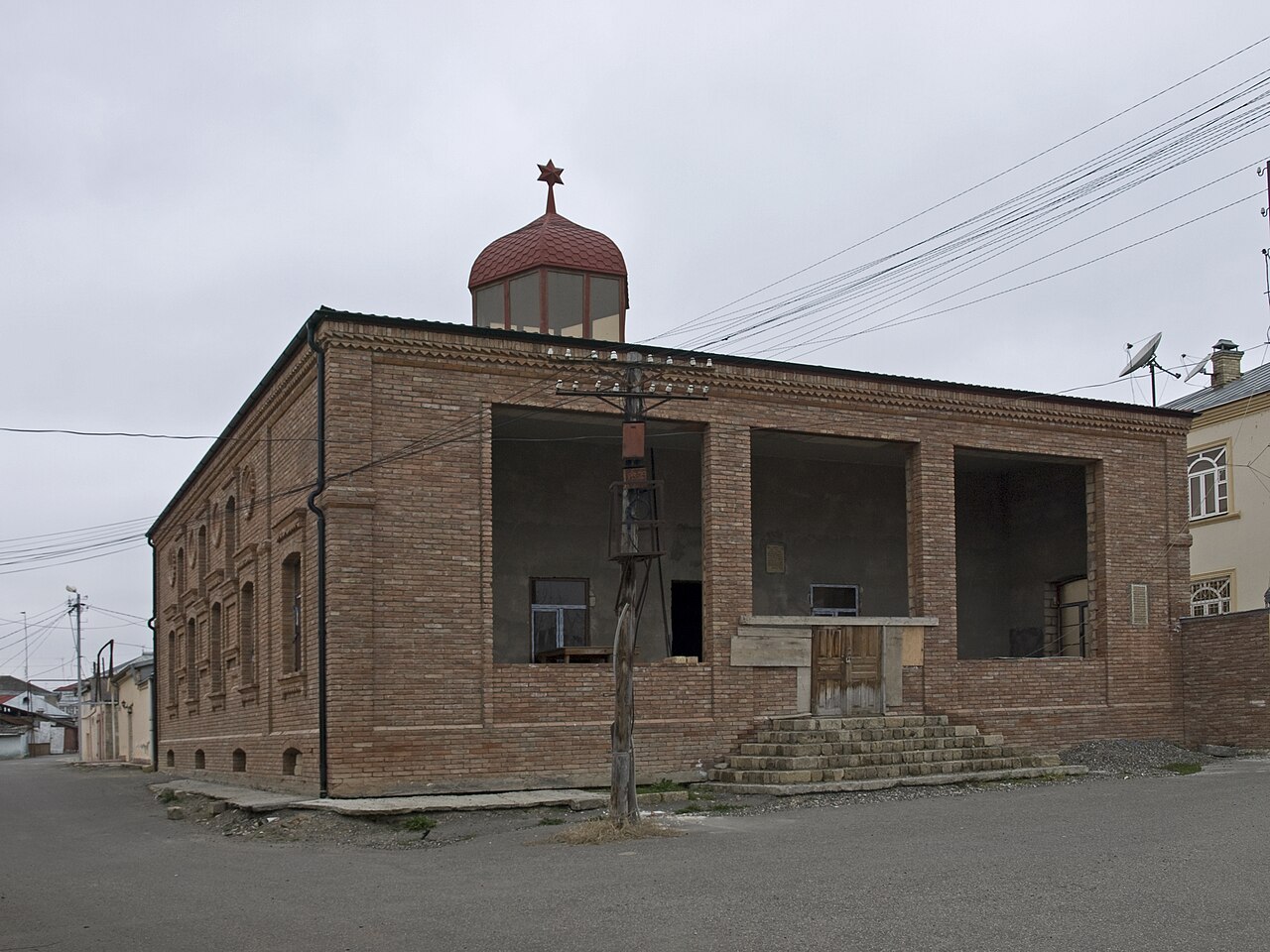
The Kele-Numaz synagogue was opened in 1914, rebuilt in the 21st century and then burned in the 2024 Dagestan attacks. That sequence is brutally instructive: endurance is real, but so is vulnerability. Derbent does not let anyone pretend otherwise.
Still, the community keeps rebuilding because it has always known the city as home. A mountain people at a gate develops the habit of returning.
Mountain Jewish life here runs deep. The city has tried, and failed, to make it otherwise.
Kele-Numaz synagogue
The Kele-Numaz synagogue opened in 1914, was rebuilt and reopened in 2010, and then attacked again in 2024. The building’s repeated life is a blunt monument to the persistence of Derbent’s Jewish community.
Derbent Synagogue; official siteWhat remains
Derbent matters because it shows a community that is ancient, urban and still stubbornly present. The gate did not close. The people did not vanish. The atlas should say so plainly.