Shanghai is one of the strangest Jewish cities in the world because it was not built by Jewish migration alone. Baghdadi merchants got there first in the nineteenth century, and then the war years turned the city into a place of last resort for European Jews with nowhere else to go.
That double life is what makes it special. One synagogue, many accents. Commerce, exile, emergency and then memory. The city was prepared by trade and redefined by survival.
Baghdadi Shanghai
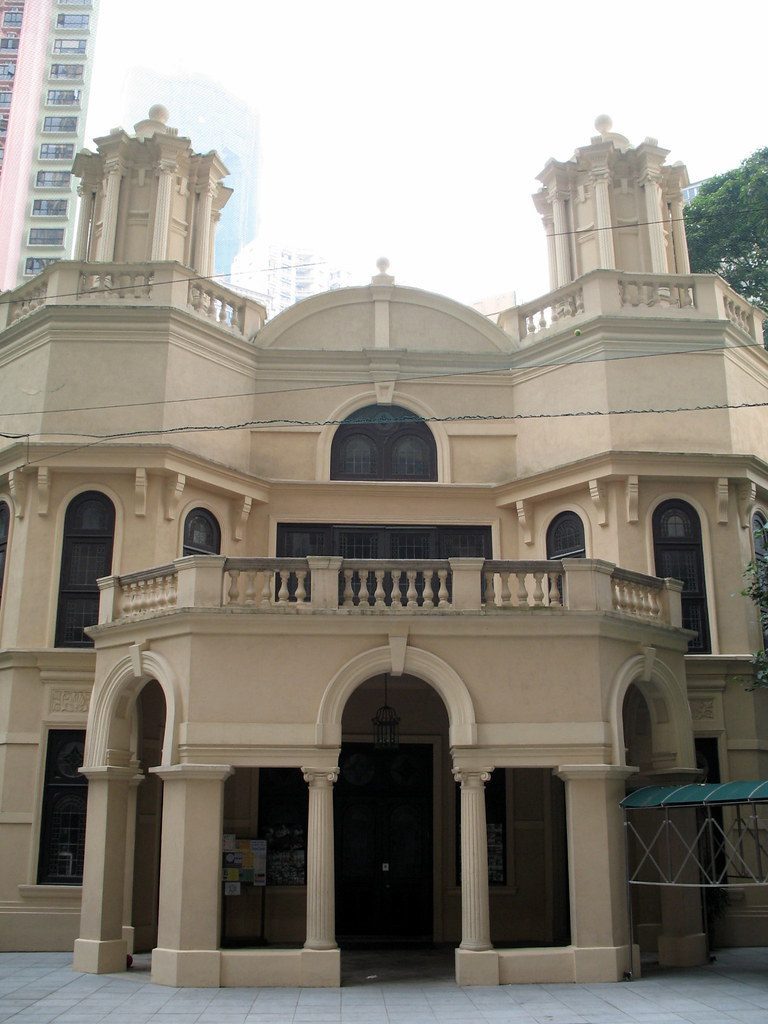
In the nineteenth century, Baghdadi Jewish merchants - the Sassoons and their circle - made Shanghai a node in a wider imperial trading network. They brought capital, family links and a style of public Jewish life that left behind synagogues and institutions rather than just business records.
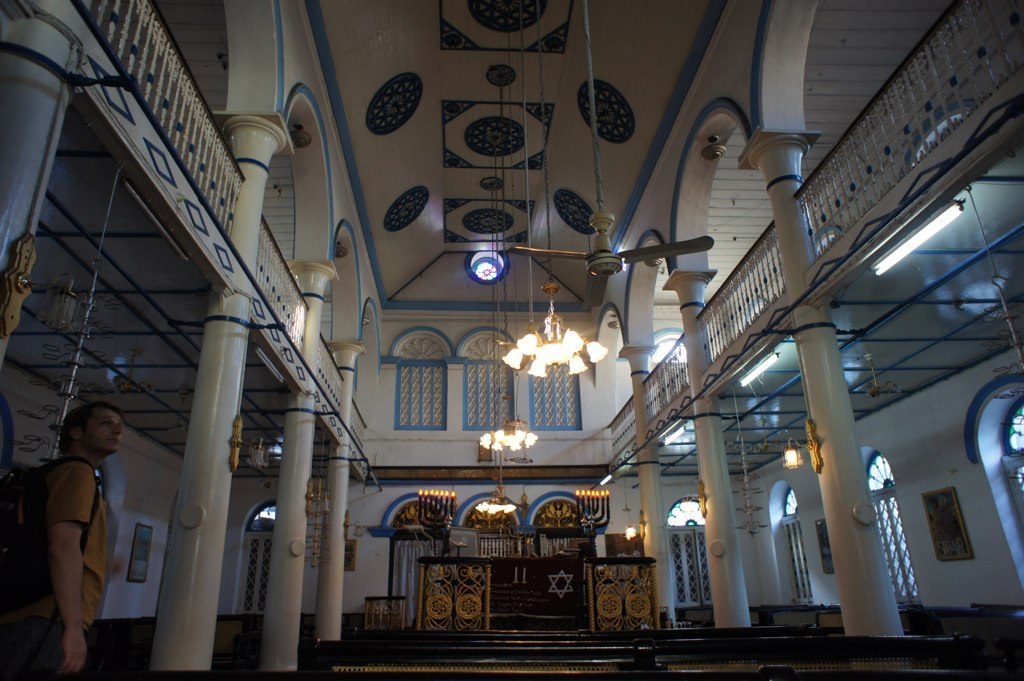
Ohel Rachel, completed in 1921, became the grand marker of that world. Built in memory of Rachel Sassoon, it stood as a proper house in the city, and a sign that the community meant to stay.
Ohel Rachel
Ohel Rachel Synagogue was completed in 1921 and became one of the largest synagogues in the Far East. Its survival through war and revolution makes it one of the clearest physical witnesses to Jewish Shanghai.
Ohel Rachel SynagogueThe refuge years
From the late 1930s, Shanghai took in more than 20,000 Jewish refugees fleeing Nazi persecution. The city’s wartime Jewish quarter - often called the Shanghai Ghetto - became a crowded, improvised world of survival. It was not safe, but it was open, which was enough to save lives.
That is why Shanghai matters. It was a commercial city before it was a sanctuary, and the commerce made the sanctuary possible. A port can rescue people if it is still willing to receive them.
One synagogue, many accents. Commerce made the sanctuary possible.
Shanghai Jewish Refugees Museum
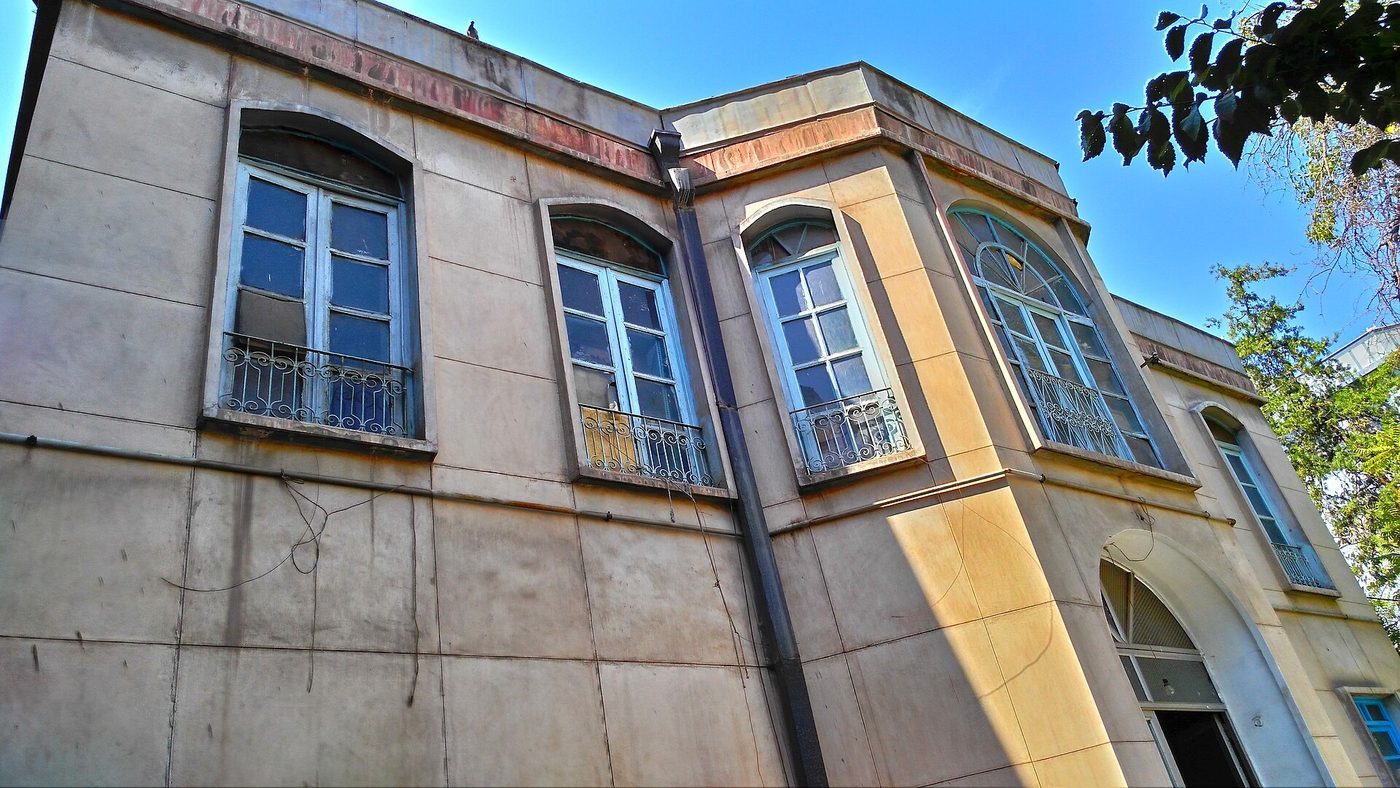
The Shanghai Jewish Refugees Museum, in the former Ohel Moshe synagogue, preserves the record of more than 20,000 Jewish refugees who lived in the city during the war. By the mid-1950s most Shanghai Jews had emigrated, leaving the museum as the visible archive of a vanished community.
Shanghai Jewish Refugees Museum; Shanghai Jewish CentreWhat remains
Shanghai remains because it proves that a city can be both a business address and a lifesaving shelter. The house on Bubbling Well Road is still standing. So is the memory of everyone it helped carry through the war.