Most of what we call Jewish Europe is a story about leaving. Worms is the rare place where the story is about staying, and it tells that story in stone. On the banks of the Rhine, where the Romans once kept a garrison, Jews built a community whose synagogue, cemetery and ritual bath outlasted empires, popes, pogroms and a second world war. The buildings were burned more than once. They are still there. That stubbornness is the point.
Worms belongs to a trio. With Speyer upstream and Mainz down, it formed the cluster the rabbis called ShUM, an acronym built from the Hebrew initials of the three cities. Together they were the engine room of medieval Ashkenaz: the place where German-Jewish law, liturgy and learning took the shape the rest of northern Europe would inherit. When people speak of "Ashkenazi" custom today, they are speaking, at one remove, of decisions argued out on this stretch of river a thousand years ago.
The artefacts are not relics of a vanished people. They are the working furniture of a community that kept coming back. A cemetery is only sad if nobody is left to read the names. At Worms, the names were read, recut, restored and read again, across centuries that did everything in their power to erase them.

The river that taught Europe to be Jewish
Jews were living in the Rhineland by the early medieval period, and Worms had a settled community by the eleventh century. What made the place matter was not its size but its seriousness. This was where Rashi, the supreme commentator on Bible and Talmud, is traditionally said to have studied as a young man before returning to Troyes. The yeshivot of the Rhineland trained the scholars who shaped Ashkenazi practice; the takkanot, the communal ordinances issued here, governed Jewish life far beyond the city walls.
Then came 1096. The armies of the First Crusade, gathering to march east, turned on the Jewish communities of the Rhineland on the way. Worms was attacked in May of that year, and much of its community was killed or chose death rather than forced baptism. The Hebrew chronicles that record these events are among the earliest sustained Jewish accounts of martyrdom in medieval Europe, and they are not written as defeat. They are written as testimony. The community was rebuilt within a generation.
That pattern repeats. Worms was struck again in later medieval persecutions, its Jews expelled and readmitted, its synagogue damaged and restored. The buildings on the Judengasse, the old Jewish lane, were not a museum even then. They were in use. People prayed in them, married in them, mourned in them, and buried their dead a short walk away in the sandy ground the community called the Holy Sand.
Speyer, Worms and Mainz
Worms, with Speyer and Mainz, formed the league of communities known by the Hebrew acronym ShUM. From the eleventh to the thirteenth centuries these three Rhineland towns set the legal and liturgical standards of Ashkenazi Judaism, issuing communal ordinances and training the scholars whose rulings spread across German and French Jewry. The three communities co-ordinated their decisions, and the customs settled here became the baseline for Jewish life across northern Europe.
ShUM cities of the RhinelandWhat the stones say
The Worms synagogue is the headline object, and it earns its billing. The original building was consecrated in the eleventh century; a women's section was added in the early thirteenth, and the complex was rebuilt repeatedly after damage. The Nazis burned it on Kristallnacht in November 1938, leaving little more than the foundations. It was reconstructed after the war using surviving stones and was reopened in 1961. The mikveh, the underground ritual bath cut deep toward the water table, survives from the twelfth century. So does the so-called Rashi Chapel attached to the synagogue, named for the scholar the city claims as its own.
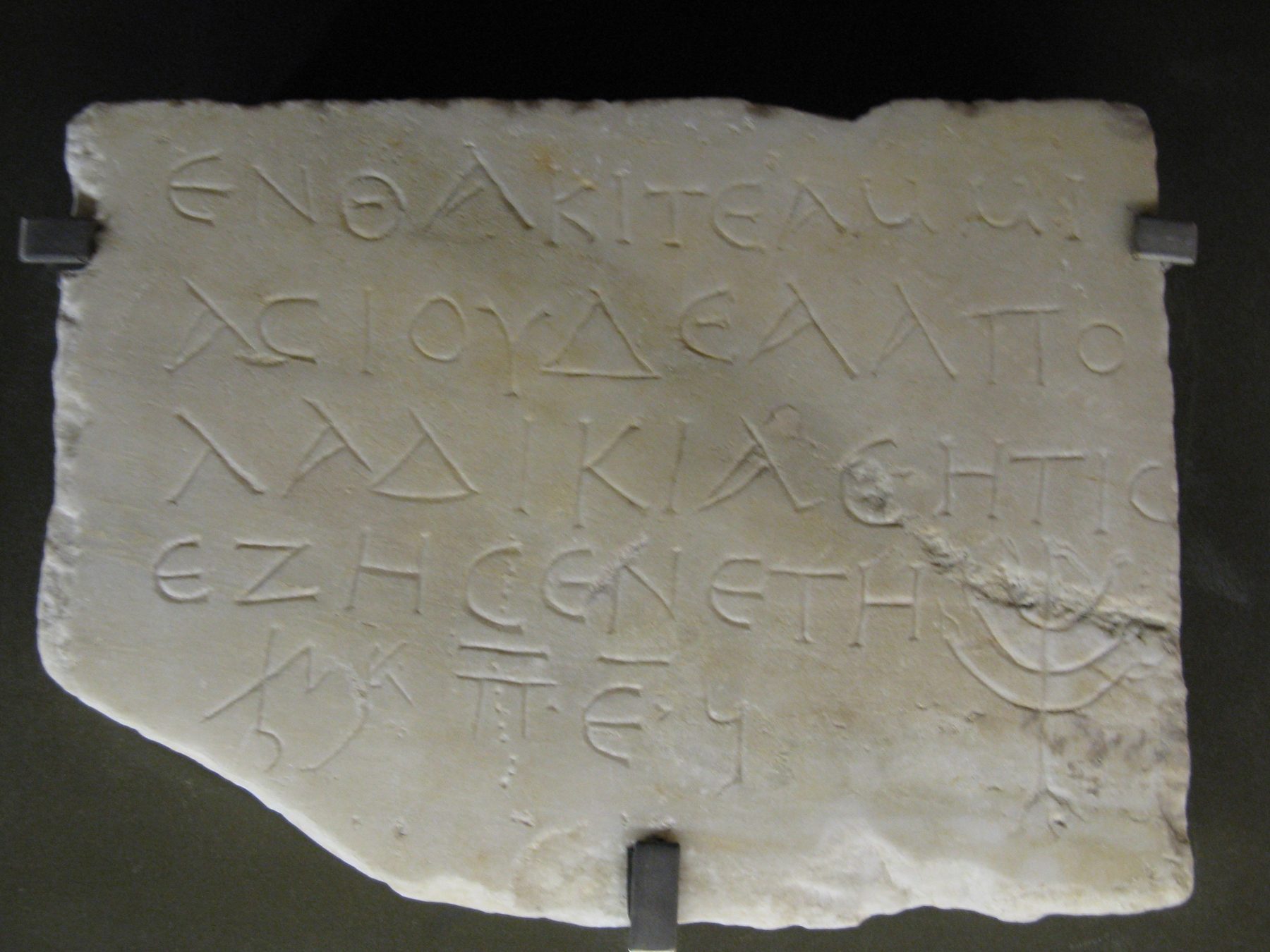
The cemetery is the quieter treasure. The Heiliger Sand holds thousands of graves, the oldest dating to the mid-eleventh century, the inscriptions tracing rabbis, householders, scholars and martyrs across the centuries. Visitors still leave pebbles on the older stones, including those traditionally identified with the great medieval authorities. The objects, taken together, do something no chronicle can: they make a thousand years of presence physically checkable. You can stand in the bath. You can read the names.
ShUM on the World Heritage List
In July 2021 UNESCO inscribed the "ShUM Sites of Speyer, Worms and Mainz" on the World Heritage List, the first Jewish heritage site in Germany to receive the designation. The listing covers the Speyer synagogue courtyard and mikveh, the Worms synagogue compound and the Heiliger Sand cemetery, and the medieval Jewish cemetery in Mainz. The citation recognised the cluster as the formative centre of Ashkenazi Jewry.
UNESCO World Heritage List, 2021The buildings were burned more than once and the names were nearly erased. They are still there, and you can still read them.
Further reading