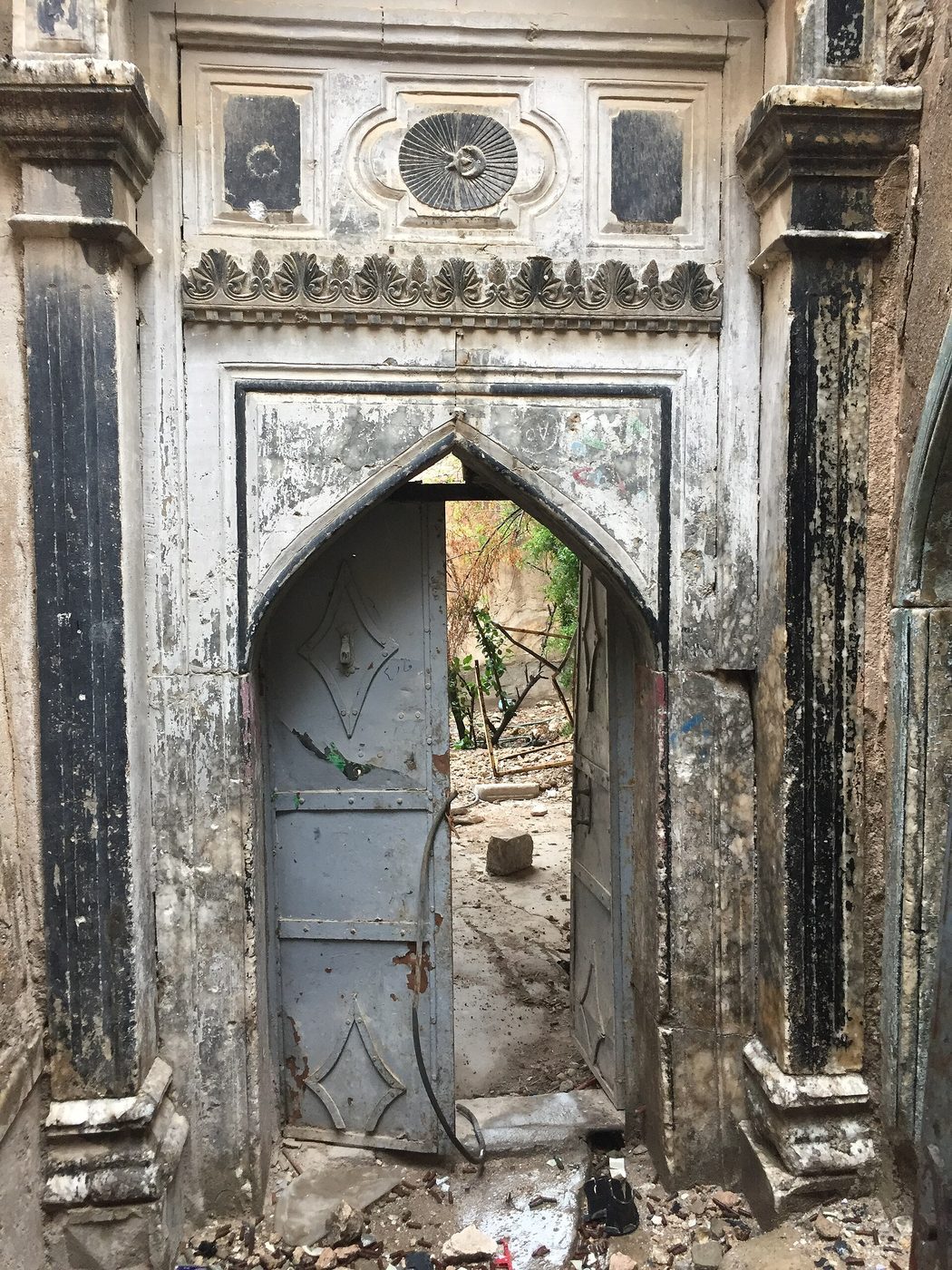
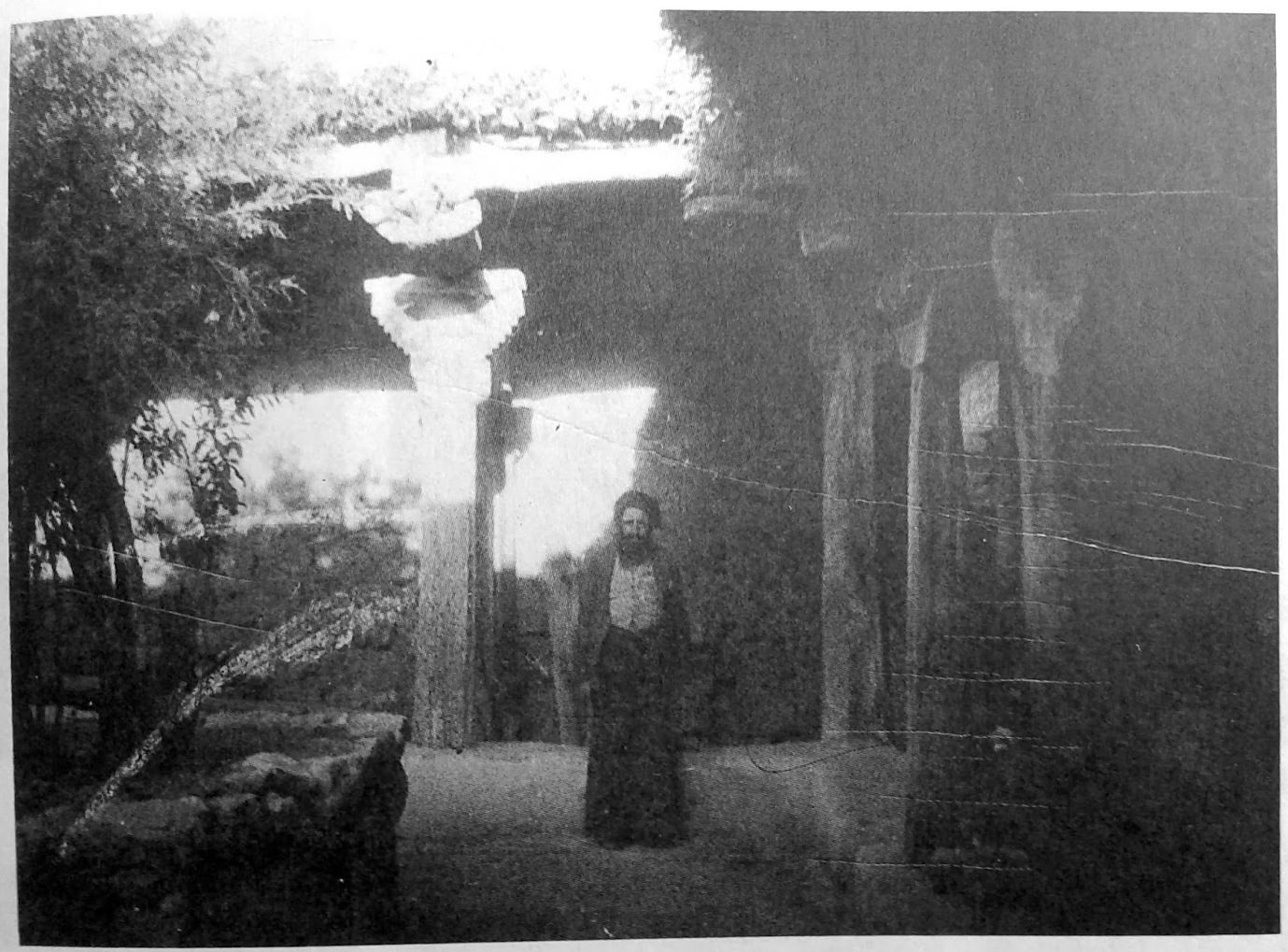
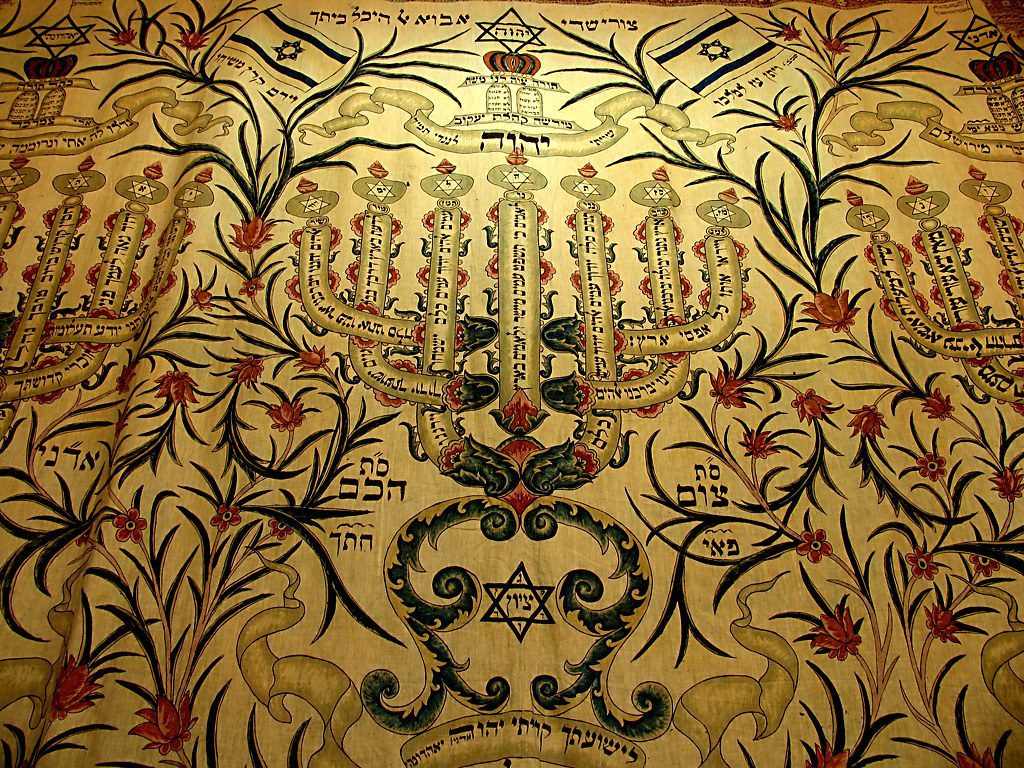
Zakho is a small town in the far north of Iraq, on the Khabur river, where Iraq, Turkey and Syria almost touch. It has an old stone bridge, the Pira Delal, that the Kurds say is one of the wonders of their country. And for centuries it had something rarer than a famous bridge: a Jewish community that still spoke the language of the Talmud, out loud, in the street, as a mother tongue. They called the place the Jerusalem of Kurdistan, and the boast was earned.
Most of the Jewish world stopped speaking Aramaic well over a thousand years ago. The Jews of Zakho did not. Their everyday language was Jewish Neo-Aramaic, a living descendant of the same Aramaic family in which the Babylonian Talmud was written, and they carried Kurmanji Kurdish alongside it. To stand in the Zakho market a century ago was to hear a tongue that ran in an unbroken line back to late antiquity. That is not folklore. That is continuity you can record on tape, and scholars have.
A town with its own scholars
Zakho was a working town, not a picturesque trace of one. By the early nineteenth century it held something like six hundred Jewish families: weavers, dyers, goldsmiths, traders, raftsmen who floated goods down the Khabur, and farmers who kept cattle. That is a dense social world for a small border town, and it produced its own learning. Kurdish Jewry had its rabbinic dynasties, the most famous being the Barzani family, whose yeshivot dotted the region from Mosul up into the mountains.
Out of that family came one of the most extraordinary figures in Jewish history, Asenath Barzani, born around 1590. Her father, Rabbi Samuel Barzani, taught her Torah and Talmud because he had no son to succeed him, and by tradition she went on to lead his yeshiva, a woman at the head of a rabbinic academy three centuries before anyone thought to find that surprising. Kurdish Jews revered her as a saint and a scholar. The point is not that Zakho was an exception to Jewish learning. The point is that it was a full participant in it, on its own mountain terms.
A community of six hundred families
By the early nineteenth century Zakho held on the order of six hundred Jewish families, working as weavers, dyers, goldsmiths, traders and cattle-keepers. In the middle of that century it became the chief spiritual centre of Kurdish Jewry, the town its own people and their neighbours called the Jerusalem of Kurdistan.
Encyclopaedia Judaica: Kurdistan; History of the Jews in KurdistanAsenath Barzani, head of the yeshiva
Asenath Barzani's story is worth pausing on, because it cuts against every lazy assumption about who got to be learned and where. She lived near Mosul and Amadiya, in the same Kurdish Jewish world Zakho anchored. Letters and poems in her name survive. After her father's death and then her husband's, she ran the family yeshiva, taught its students, and was treated as a halakhic authority. When she died she was buried at Amadiya beside her father, and Kurdish Jews made pilgrimage to the grave. A border region the wider Jewish world tended to overlook had quietly produced a woman rosh yeshiva in the seventeenth century.
The language they carried south was older than Arabic. That is a heavy thing to place in the luggage.
The whole community makes aliyah
In 1951-1952 the Jewish community of Zakho left Iraq for Israel almost in its entirety, as part of the mass departure of Iraqi Jewry, with most families resettling in and around Jerusalem. The migration ended more than a thousand years of continuous Jewish presence in the Kurdish north and carried the Neo-Aramaic dialect of Zakho into Israel with it.
History of the Jews in Kurdistan; Oz Aloni, The Neo-Aramaic Oral Heritage of the Jews of ZakhoThe long view
When the great exodus of Iraqi Jewry came at the start of the 1950s, Zakho went too, more or less to the last family. They settled mostly in Jerusalem, which made a kind of poetry of the old nickname: the Jerusalem of Kurdistan emptying itself into the actual Jerusalem. The transplant was hard, as such transplants always are, and the mountain dialect began to fade among the children who grew up in Israel speaking Hebrew.
But the thread did not snap so much as change hands. The songs, the stories, the recipes and the language were recorded, studied and held. Zakho the town still stands on the Khabur, the Pira Delal still arches over the water, and the Jewish Zakho lives on in archives, in scholarship, and in families who remember a place where Jews once argued the law in the language of the Talmud. Not many communities can say their everyday speech reached back, unbroken, to antiquity. This one could, and it kept the receipt.
Further reading
Story & Stone · Atlas Places Nº 18
Next on the shelf: Hong Kong: Baghdadi Harbour →