Mosul inherited Nineveh’s shadow and then gave it a Jewish life of its own. The community there became famous for claiming ancient descent and for keeping a scholarly culture alive in a northern Iraqi setting.
Benjamin of Tudela found Jews there in the twelfth century. Later generations kept returning the city to Jewish memory through pilgrimage and study.
Ancient claim, lived city
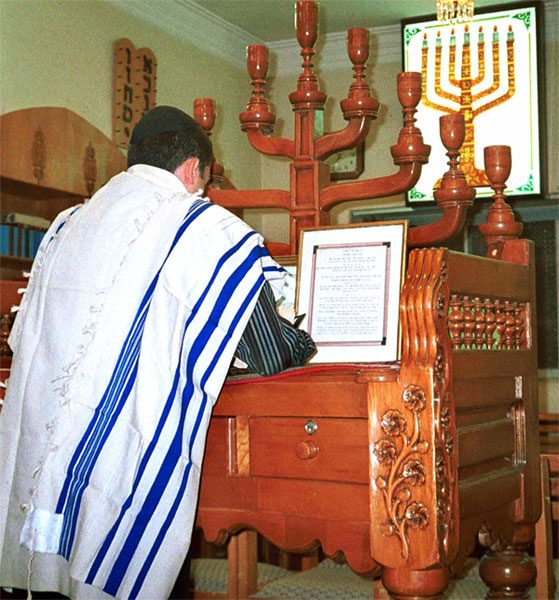
The shrine of the prophet Nahum in the Mosul region drew Jewish visitors for centuries, and the town’s Jews maintained a strong sense of being heirs to the Assyrian exile. Whether one takes the ancestry claim literally or not, the community treated it as a living inheritance.
That is what old origin stories are for: not proof, but belonging.
Benjamin of Tudela visits Mosul
Benjamin of Tudela recorded a Jewish community in Mosul during his twelfth-century travels. His account is one of the earliest external witnesses to the town’s long Jewish life.
Benjamin of Tudela; standard travel editionsStudy, liturgy, and departure
Mosul’s Jews kept Aramaic and Iraqi Jewish liturgical habits longer than many other communities in the region. Their scholars belonged to the wider Babylonian world even as the city itself sat farther north.
The twentieth century then turned the old community into diaspora memory, especially after the 1950-51 airlift that emptied much of Iraqi Jewry.
Until the community left in the early 1950s, Mosul's Jews kept a Shavuot pilgrimage to the shrine of Nahum at nearby Alqosh, a journey local Jews called the Ziyara.
Mosul kept the long memory of Iraq’s Jewish north.long memory
Iraqi Jewry departs
The airlift from Iraq ended the public Jewish world of Mosul and much of the country’s old communal structure. What had been a living northern centre became a chapter in the history of Iraqi dispersion.
Jewish Virtual Library; Iraqi Jewish historyNineveh’s successor
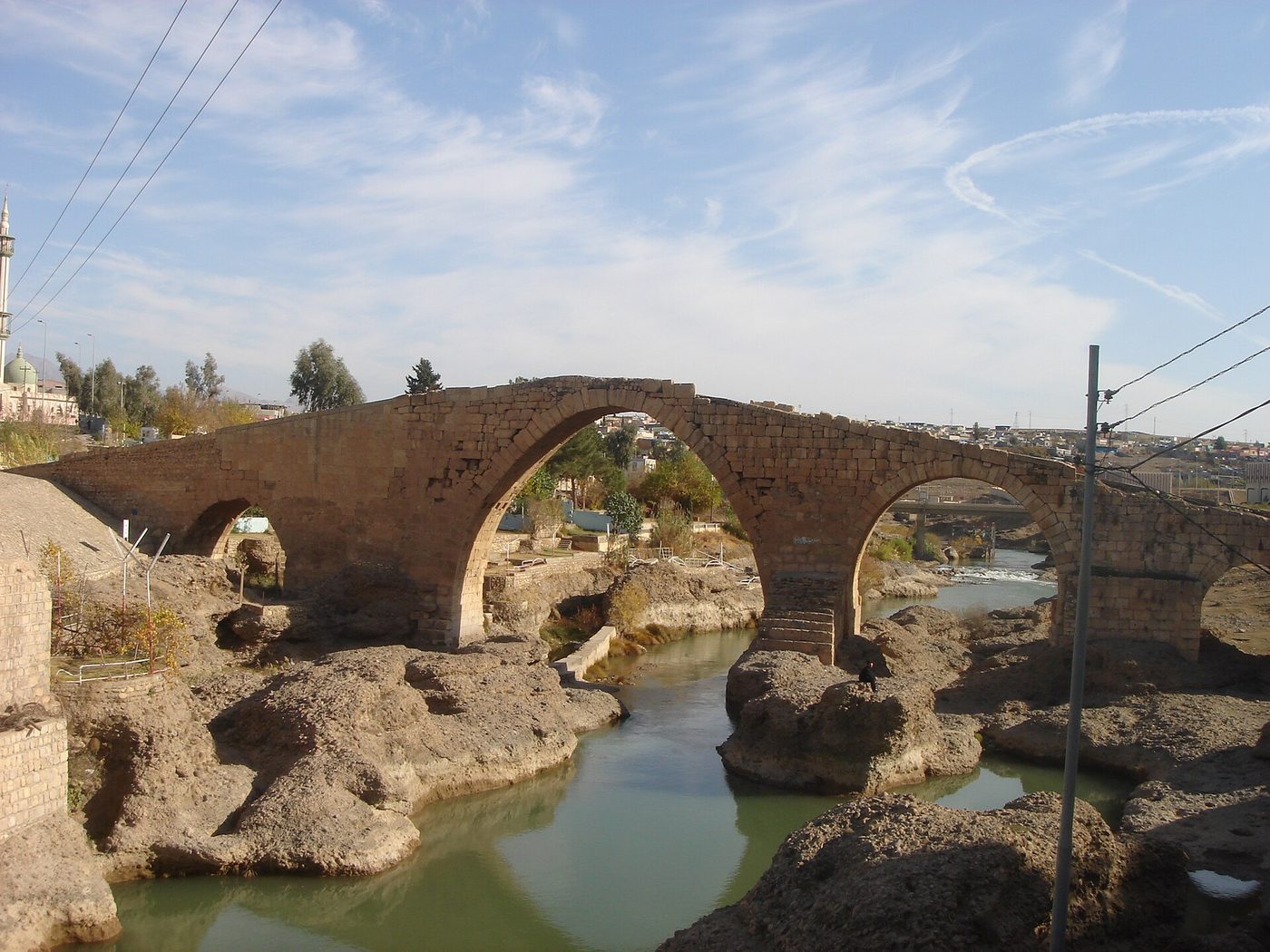
Mosul is a city where Jewish history runs along the grain of older imperial memory.
That grain is still visible if you know where to look.