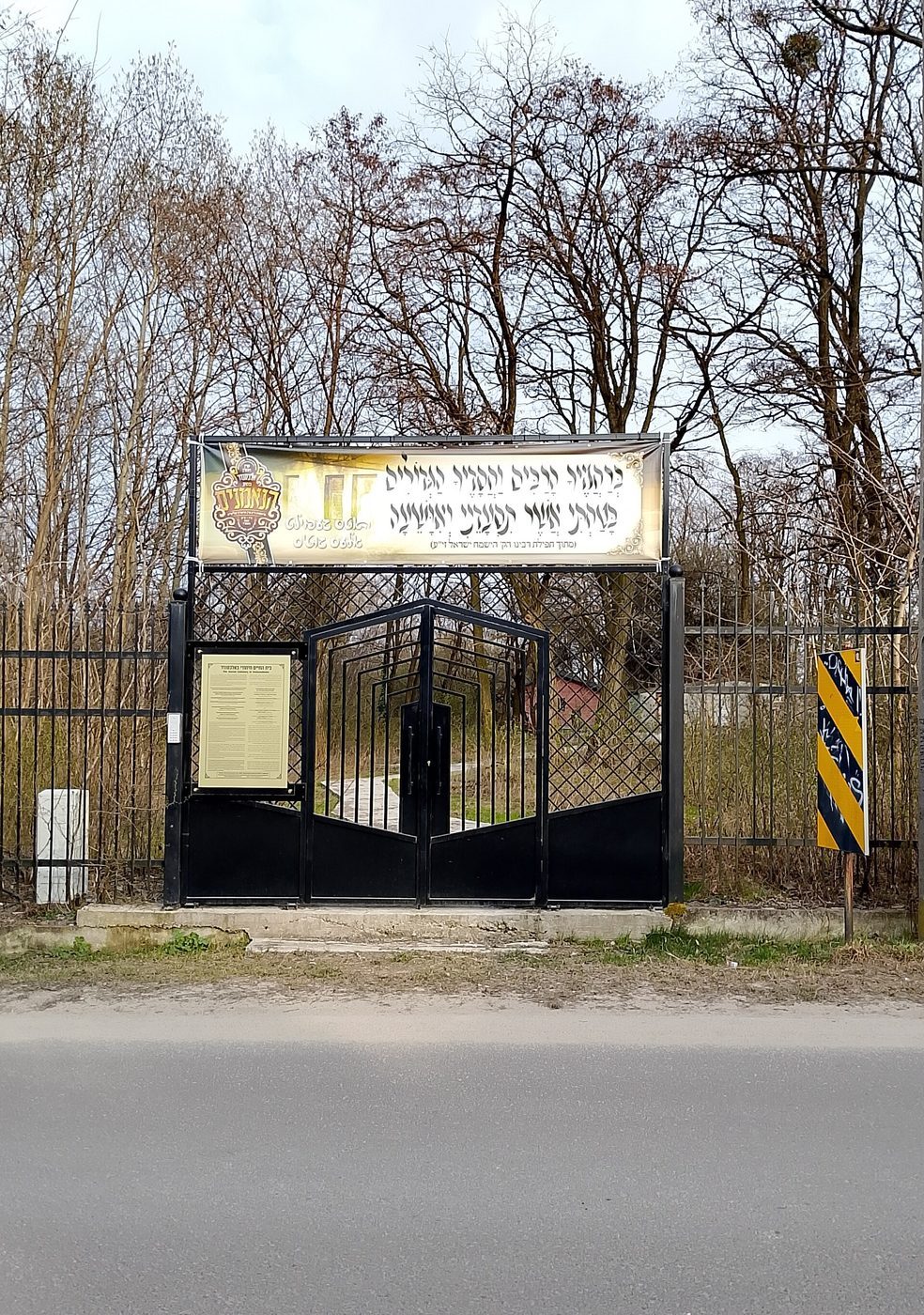
Vizhnitz is one of those Hasidic names that sounds like a dynasty before you know any history. That is because it became one. A town in Bukovina gave its name to a court whose manners, music and discipline travelled far beyond the Carpathians.
The important thing about Vizhnitz is not only where it began. It is how faithfully it learned to be portable.
A court made in Bukovina
The court took shape in the 19th century around Rabbi Menachem Mendel Hager and his successors. Vizhnitz developed a style that was courtly without being decorative - a disciplined Hasidism that could sit comfortably beside study and communal duty.
Like many Hasidic centres, it turned lineage into atmosphere. The town became a name, the name became a rhythm, and the rhythm kept moving even when geography broke under it.
The dynasty begins
The Vizhnitz court is generally traced to Rabbi Menachem Mendel Hager in the mid-19th century. Later Hager descendants kept the court alive as one of the best-known Hasidic dynasties from Bukovina. A small town became an inheritance with a memory of music.
YIVO; Hasidic history surveysRe-founding after catastrophe
The 20th century shattered the old European setting, but Vizhnitz did not vanish. It reappeared in Israel and North America, where descendants and followers rebuilt the court around new institutions, new addresses and the same courtly grammar.
That portability is the real strength of Vizhnitz. It proves that a Hasidic court is not just a place on the map. It is a living style of fidelity.
The court crosses the ocean
After the Holocaust, Vizhnitz communities re-formed in Israel and the United States, with branches in places such as Bnei Brak and Monsey. The court's continuity is historical rather than geographic. That makes it a perfect Hasidic subject and a very modern one.
YIVO; Vizhnitz community historiesA portable court
Vizhnitz teaches a useful lesson: a court can survive by keeping its forms exact enough to move. The town was the first home. It was not the last.
That is how dynasties work when they are serious.