Boiany is a small Bukovinian place with a very large afterlife. The Boyaner dynasty took its name here and then turned the name into a moving address, one that could live in Jerusalem, New York or Bnei Brak without losing its source.
That makes Boiany less a single location than a travelling inheritance. The court is the community, and the community remembers where the court began.
From Bukovina to Jerusalem
The Boyaner line crystallised in the late nineteenth century, and the court later re-established itself in Jerusalem. The name continued to do the work of memory even after the geographical centre had shifted.
That shift is part of modern Hasidic life: places become lineages, and lineages become addresses.
The Boyaner dynasty takes its name
The Boyaner Hasidic dynasty took its name from Boiany in 1887. The naming fixed the town inside dynastic memory and made the place travel with the court.
YIVO Encyclopedia of Jews in Eastern EuropeJerusalem and the new court
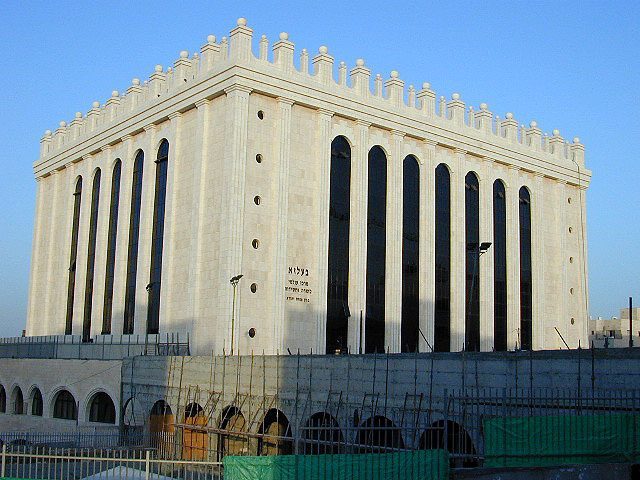
In the twentieth century the Boyaner court was re-established in Jerusalem, where it became part of the city’s living Hasidic map. The move did not cancel the old town; it made the old town portable.
That is the dynastic trick: to carry a place without pretending it has not moved.
Boyan in Jerusalem
Boyaner leadership re-centred in Jerusalem in the modern period and maintained a court presence there. The move preserved dynastic continuity while turning the old Bukovinian name into a living Hasidic marker.
YIVO Encyclopedia of Jews in Eastern EuropeWhy Boiany matters
Boiany matters because a town can survive as a name long after it has stopped being the centre of anything. The court took the town with it.
A place can travel if its people are stubborn enough.