The people living in Naphtali, Zebulun and the Galilee in the mid-eighth century BCE did not think of themselves as about to disappear. They were Israelites, subjects of the Northern Kingdom, farming the same basin their grandparents had farmed. They knew the empire was near - Assyria had been pressing against the edges of the Levant for decades - but the distances were still long and the hills were still theirs.
Then the king came in person. Tiglath-Pileser III - Pul to those who knew him by his Babylonian throne name, the same ruler the Books of Kings name directly - had already reordered the Near East by the time he turned south along the Jordan Valley in 732 BCE. His army did not simply defeat the Northern Kingdom's northern territories. It emptied them. Whole populations were uprooted and resettled in distant corners of the empire, replaced by peoples brought from elsewhere. The Galilee was not destroyed. It was decanted.
The record
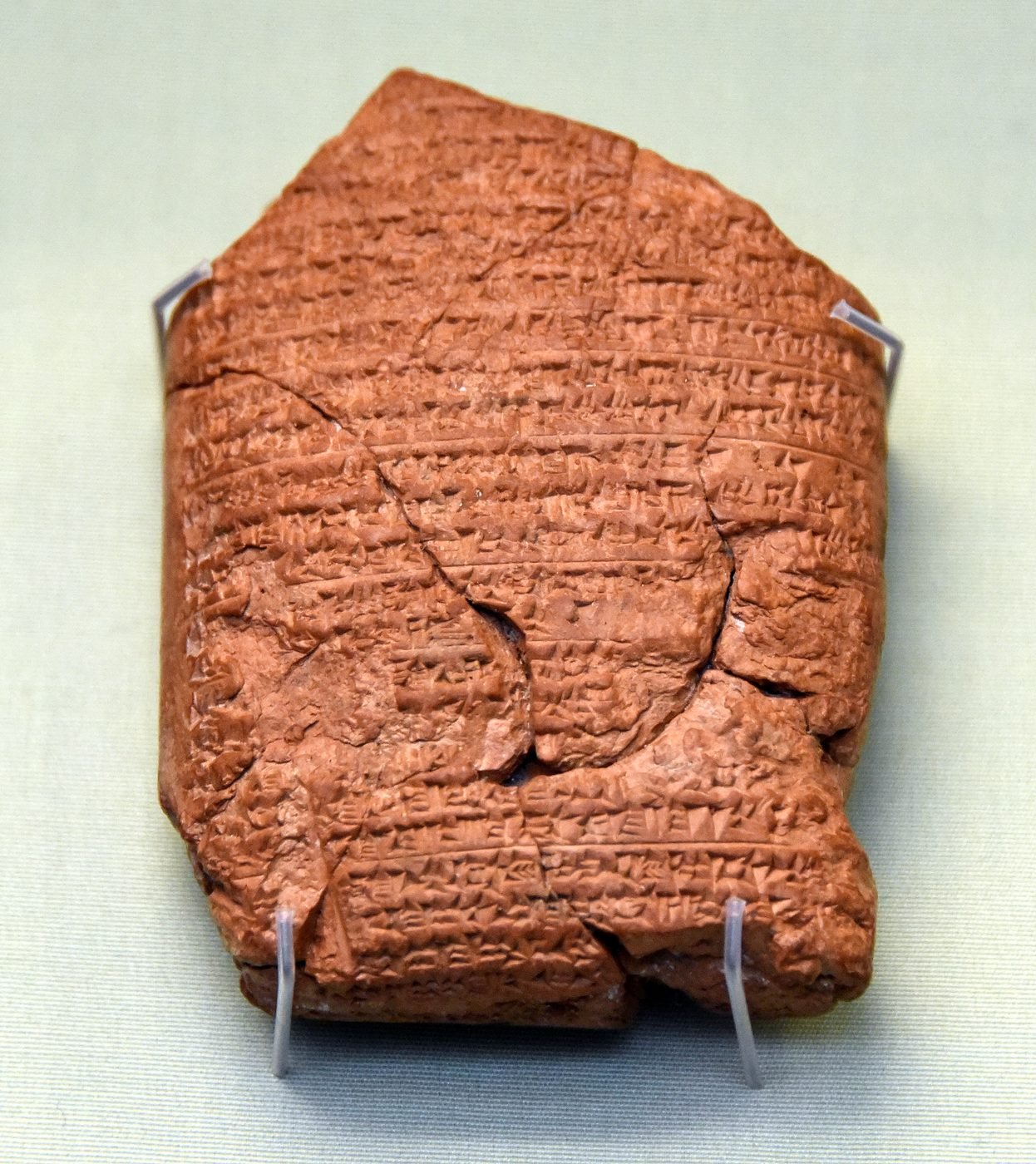
The Hebrew text of 2 Kings 15:29 records the event with striking precision: "In the days of Pekah king of Israel, Tiglath-Pileser king of Assyria came and took Ijon, Abel-beth-maacah, Janoah, Kedesh and Hazor, and Gilead and Galilee, all the land of Naphtali, and he carried them captive to Assyria." The passage gives the Israelite king, the Assyrian king, the geography and the outcome in three lines. It matches Tiglath-Pileser's own annals, which record campaigns into Bit-Humria (the Assyrian name for Israel) and the deportation of populations from the Galilee and Transjordan regions. Those annals survive as cuneiform tablets held partly in the British Museum and partly in the Iraq Museum, Baghdad.
The mechanics of Assyrian deportation were deliberate, not incidental. Tiglath-Pileser III did not invent the practice, but he systematised it on a scale his predecessors had not attempted. Subject peoples were moved far enough to sever ties with land and kin - Israelites from the Galilee ended up in Halah, Habor, the region of the Gozan river, and in the cities of the Medes (2 Kings 17:6 extends this catalogue for the later Samaria deportation under Sargon II, but the pattern begins here). The intention was to break the social root that makes rebellion possible: no family land, no ancestral burial ground, no local shrine, no tribe in its tribal territory. It was empire as disassembly. And yet the people carried something portable with them - identity, memory, law, the habit of gathering. The story of what happened to those ten tribes when they scattered into the Assyrian world is the oldest open question in Israelite history, still alive in every community from Ethiopia to Afghanistan that carries a claim to be one of the lost.
The record
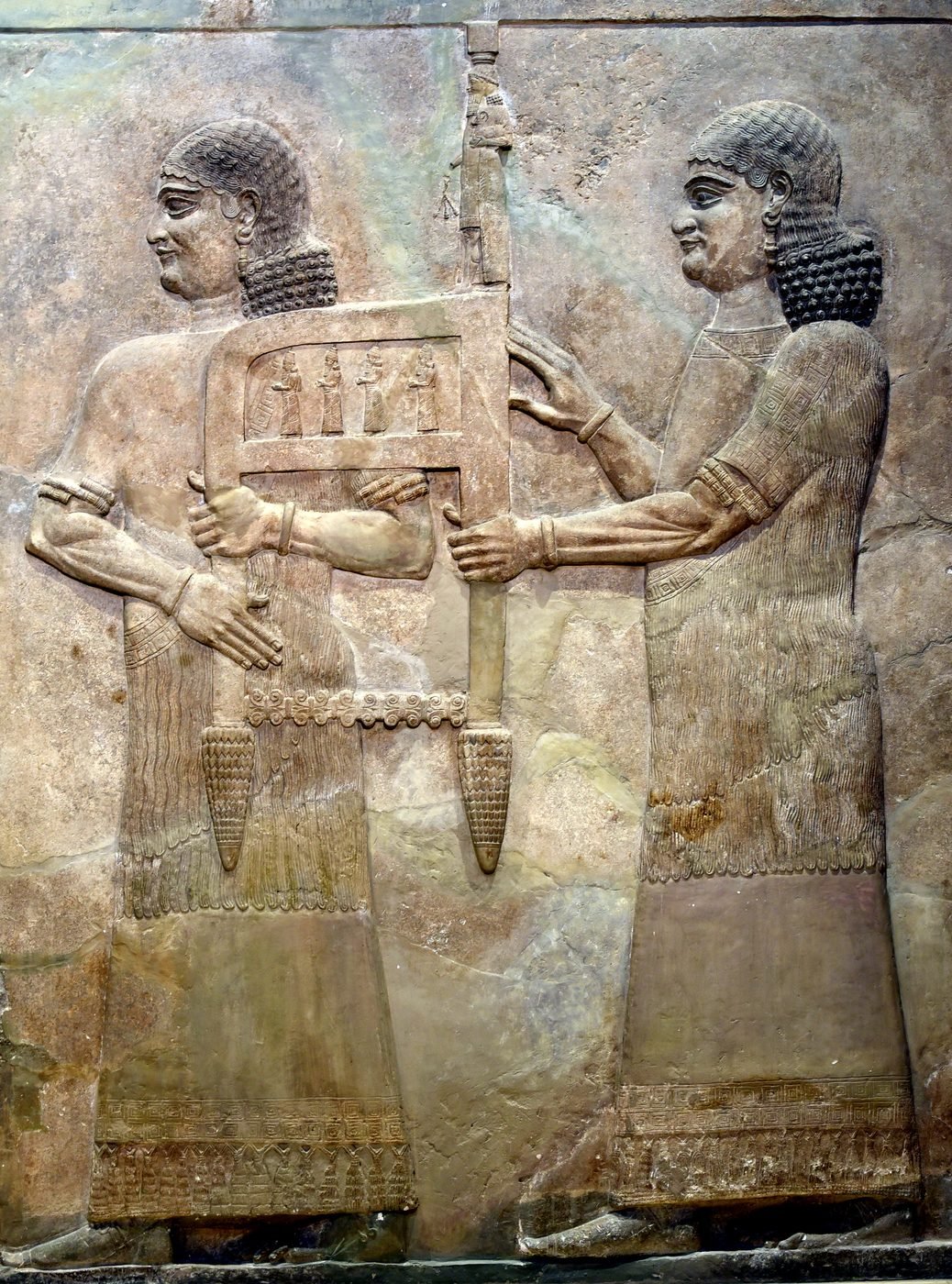
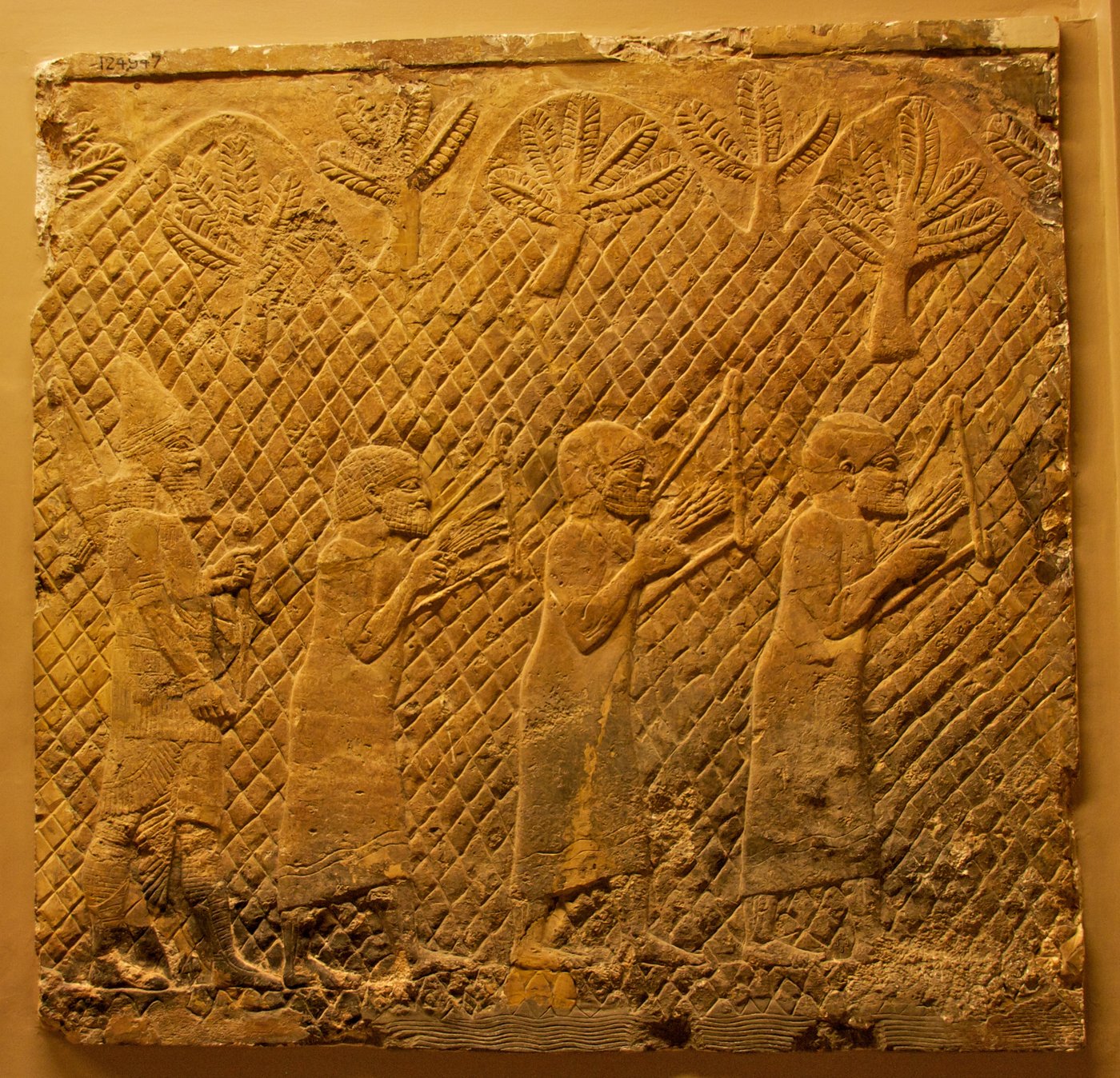
Tiglath-Pileser III's annals include a passage known as the "Summary Inscription 4" (published in the corpus of Assyrian royal inscriptions edited by Hayim Tadmor, "The Inscriptions of Tiglath-Pileser III King of Assyria", Israel Academy of Sciences and Humanities, 1994). The text names specific Israelite towns and lists deportees: Tadmor's reconstruction identifies figures running to thousands of persons from the Galilee alone. Reliefs from the Central Palace at Kalhu - carved in Tiglath-Pileser's reign and now partly held in the British Museum (Department of the Middle East, including BM 118908 and related panels) - show Assyrian soldiers driving people and cattle from conquered settlements, the standard visual record of a forced population transfer. The campaign reliefs depicting Galilee and Gilead operations are among the earliest visual documentation of what the biblical text describes in Kings.
The Northern Kingdom limped on for another decade after 732 BCE. Samaria did not fall until 722-720 BCE, under Sargon II. But the Galilee deportation was the hinge. It shrank the kingdom to a rump, installed an Assyrian province across its richest agricultural land, and demonstrated that no Israelite political arrangement was safe unless it found a way to be useful to the empire. The tribes of Naphtali and Zebulun - their names preserved in the old territorial poetry of Genesis and the blessings of Moses - ceased to exist as organised communities in their ancestral north. They became, in the tradition's own term, "lost." Whether lost means scattered and absorbed or scattered and quietly persistent is the question that has never stopped being asked. Communities in Persia, India, West Africa, the Pashtun lands and Japan have all offered answers. The Galilee, green and productive, was repopulated and went on. The people it lost are still being looked for.
What the Assyrian king accomplished in a single campaign season was an act of administrative violence so thorough that it reshaped the imagination of Israel for three thousand years. The ten tribes did not become a footnote. They became a promise - of return, of gathering, of a completeness deferred but not abandoned. Every generation that has kept asking where they went has also been saying, quietly, that the exile was not the end of the story.