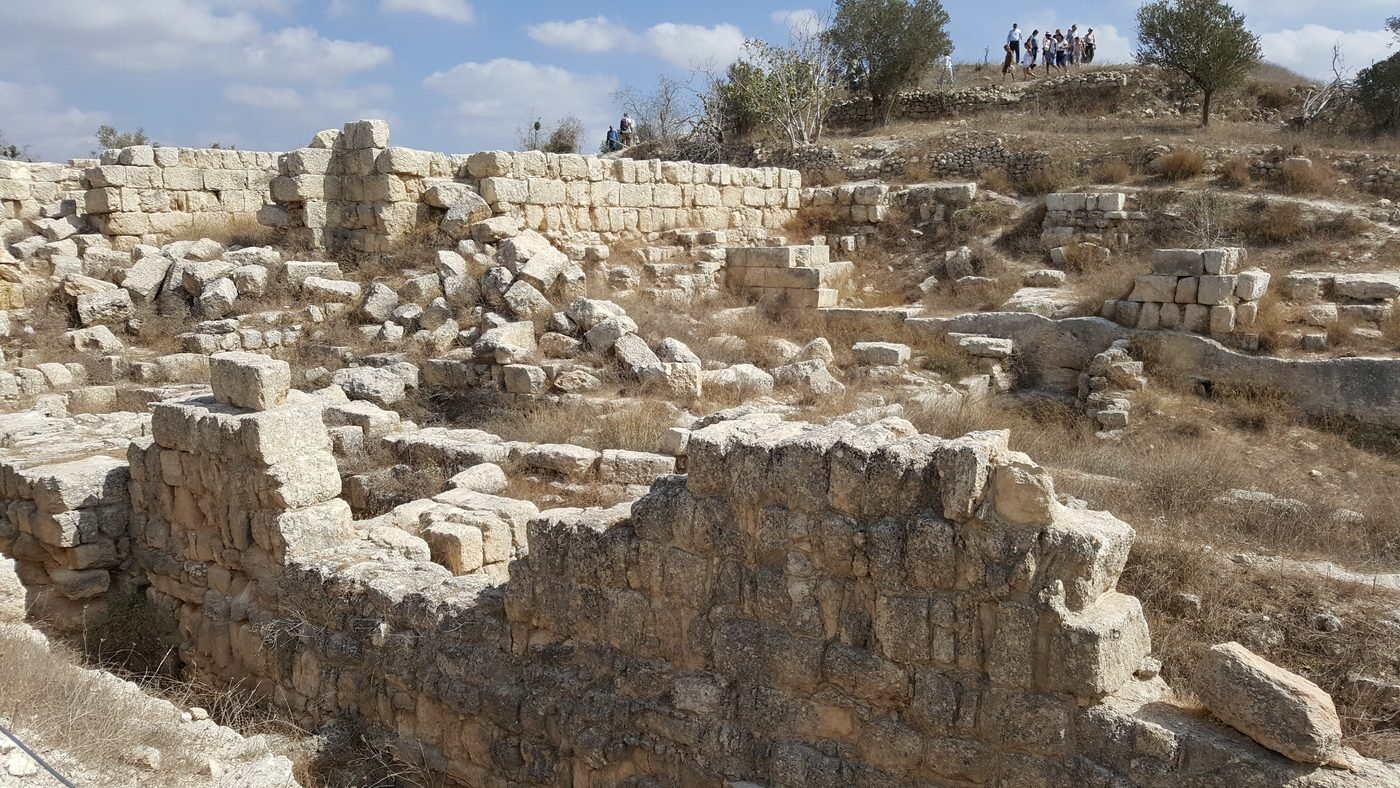
The city of Samaria had stood for two centuries as the capital of the northern kingdom of Israel - the realm of Omri and Ahab, of Jezebel's painted eyes, of the prophets who raged at its markets and high places. It was a real city with a palace, a treasury, and grain that fed the Levant. Then, in 722 BCE, it was not.
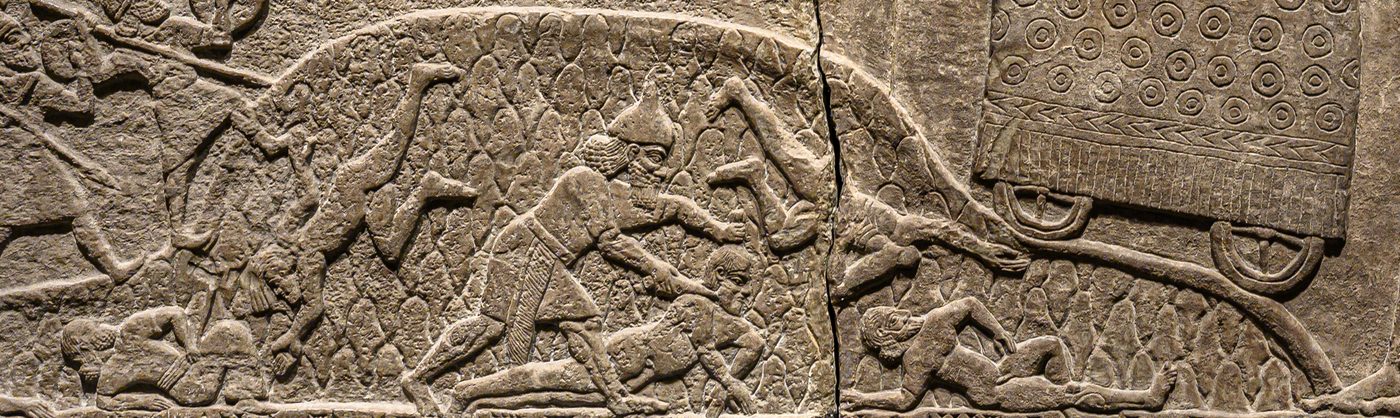
The Assyrian empire operated on a principle simple enough to carve on a wall: conquer, count, deport, resettle. After a three-year siege laid by Shalmaneser V and completed by his successor Sargon II, Samaria's population was carried off to Assyria and Media. Other peoples were moved in from elsewhere in the empire to fill the administrative gap. The northern kingdom of Israel ceased to exist as a political fact. What happened to the people - the ten tribes that had made up Israel's northern half - became one of the longest open questions in Jewish memory.
The record
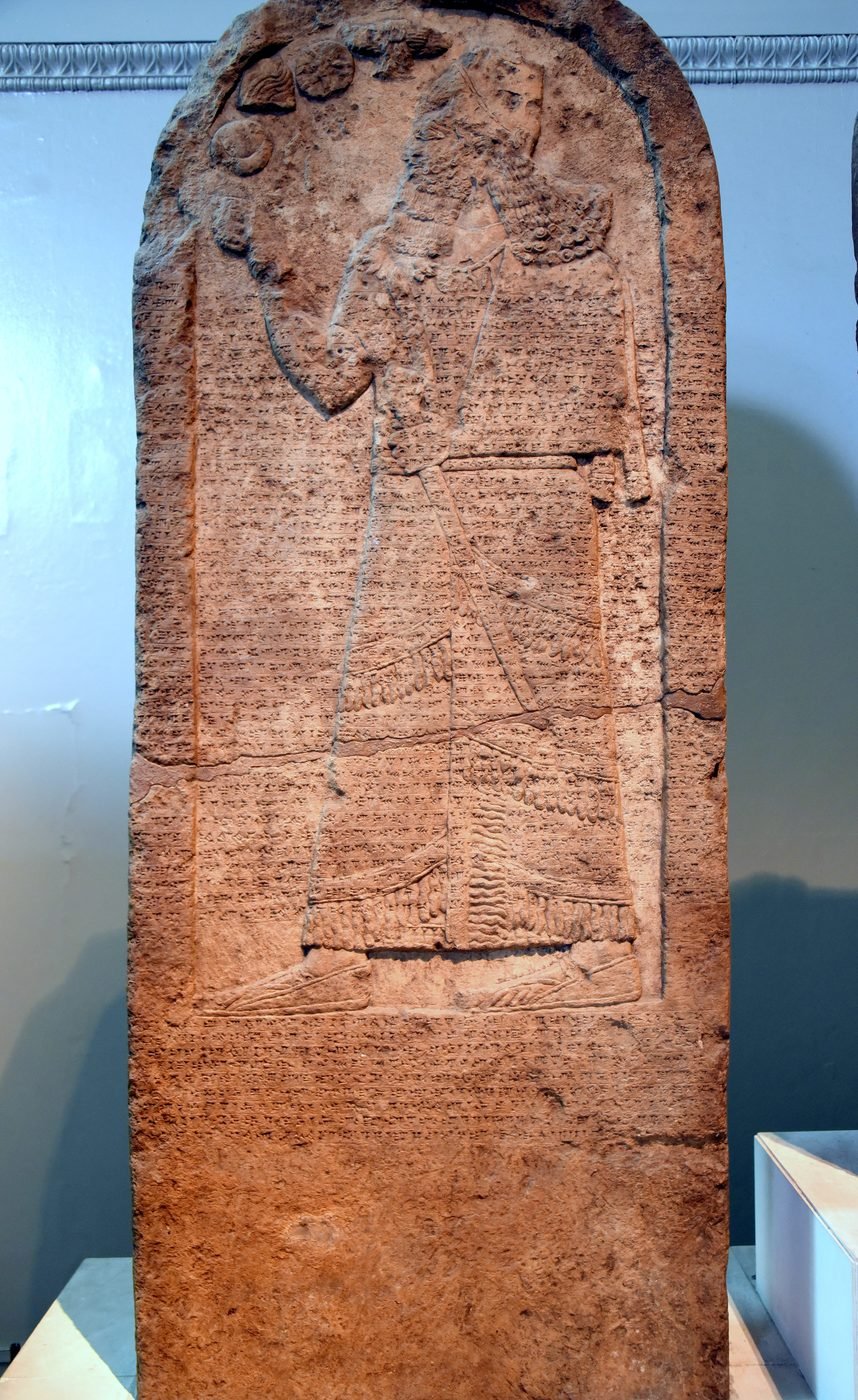
Sargon II recorded the fall of Samaria in his own annals, now held in the Vorderasiatisches Museum in Berlin and in fragments at the Oriental Institute, Chicago. The inscription, dated to his early reign, claims the deportation of 27,290 inhabitants of Samaria alongside their chariots - a number specific enough to suggest an actual imperial tally. Sargon also records settling people from other conquered lands in the city in their place. The Assyrian royal annals are a self-aggrandising genre, but this event is independently attested in the Hebrew Bible (2 Kings 17) and corroborated by archaeological evidence of destruction levels at Samarian sites.
Deportation was not accidental cruelty - it was Assyrian policy, refined over generations. Move the elite and the skilled, scatter them across the empire so they cannot organise, replace them with strangers who owe loyalty only to Nineveh. For the ten northern tribes, it worked. No coordinated return. No surviving political structure. The tribes enter the historical record at the moment of deportation and, as tribal units, do not come out the other side. What fills the silence is something more interesting than evidence: imagination, longing, and the occasional piece of genuine archaeology that complicates both.
The rabbis did not forget them. The question of whether the ten tribes would share in the redemption to come - whether they were lost or merely dispersed, cut off or only waiting - runs through the Mishnah (Sanhedrin 10:3) and beyond. Rabbi Akiva held they would not return. Rabbi Eliezer held they would. The argument is still on the page, unresolved, which is its own kind of answer: the tribes remained present enough to argue about.
The record
The Mishnah, tractate Sanhedrin (10:3), records a dispute about whether the ten tribes have a portion in the World to Come. The text preserves the positions of Rabbi Akiva (they are gone permanently, "as the day which has gone and will not return") and Rabbi Eliezer (as the day grows dark and then light again, so too the ten tribes - they will be restored). The Mishnah text is the oldest sustained Jewish legal-theological engagement with the fate of the northern tribes and shows that by the rabbinic period, roughly 200 CE, the question was sufficiently alive to require a formal ruling that neither rabbi could bring themselves to give conclusively. The Artscroll Mishnah Sanhedrin and the Soncino Talmud editions reproduce the passage in full.
Empires scatter people; people find each other. Communities in Afghanistan, Ethiopia, India, and Japan have at various points been identified - by themselves or by others - as descendants of the northern tribes. Some of these claims are romanticised, some are the product of genuine genetic and cultural research, and most are irreducibly both. What they share is the instinct that the tribes cannot simply be gone. A tribe that disappears into an empire is still a tribe. The question is only where it surfaces.
The record
The Bnei Menashe community of north-east India, numbering roughly ten thousand people in the states of Mizoram and Manipur, identify themselves as descendants of the tribe of Manasseh. From the late twentieth century onwards their claim attracted rabbinical examination. In 2005 Sephardi Chief Rabbi Shlomo Amar recognised the community as descended from the ten tribes, a ruling that has facilitated hundreds of formal conversions and aliyah under Israeli law. Israel's Population and Immigration Authority and the Shavei Israel organisation have both published figures for community members who have made aliyah to Israel under this framework - over 3,000 by 2020. The recognition does not settle the historical question of origins; it is a legal and religious ruling about status, which is a different kind of answer, and arguably the more practical one.
Sargon II built his palace at Khorsabad partly to celebrate victories like Samaria - the relief panels, the annals, the carved tribute-bearers all say the same thing: the empire digested you, and the empire is permanent. He was wrong about the permanence. His palace is rubble and his name survives only because the people he deported kept arguing about themselves in texts that outlasted his stones. The tribes that vanished into his machine are still, in their several forms and theories and disputed returns, a live question. Empires close cases. Tribes reopen them.