By the reign of Tiberius, Rome's Jewish community was old enough and confident enough to be noticed. They had been arriving since the Maccabean period - diplomats, traders, prisoners of Pompey's campaign in 63 BCE - and had grown into a recognisable presence in the Trastevere district, with their own synagogues, their own charitable networks and the stubborn habit of keeping one day in seven as rest when the whole city worked. They were, in the eyes of most Romans, harmless oddities; in the eyes of a nervous emperor, something to be managed.
In the year 19 CE that management turned brutal. A senatorial decree - almost certainly driven by Tiberius himself, though the exact politics remain disputed - ordered the expulsion of Jews from Rome and the wholesale suppression of Egyptian religious rites at the same stroke. Four thousand Jews, whom Tacitus describes as descendants of enfranchised slaves and suitable in age, were conscripted and shipped to Sardinia to suppress local bandits in a climate Romans considered unhealthy enough to make the posting a death sentence. Those who refused military service on religious grounds were threatened with enslavement. The rest were given a deadline: leave Italy or face the same fate.
The record
Tacitus, writing in his Annals (II.85), reports the decree directly: "Another debate dealt with the expulsion of the Egyptian and Jewish rites, and a senatorial edict directed that four thousand descendants of enfranchised slaves, tainted with that superstition and suitable in point of age, were to be transported to Sardinia and there employed in suppressing brigandage: 'if they succumbed to the pestilential climate, it was a cheap loss.'" Tacitus composed the Annals in the early second century CE, drawing on senatorial records he had access to as a former consul. Josephus gives a parallel account in Jewish Antiquities XVIII.3.5, written c. 93 CE, adding that those unwilling to serve were to become slaves if they did not comply by a fixed date.
The trigger, as both Tacitus and Josephus record it, was a scandal: a Roman woman of high standing named Fulvia had converted to Judaism and been deceived into donating money for the Temple in Jerusalem by men who pocketed the funds. Tiberius - a man whose suspicion of foreign cults was genuine but whose talent for using a pretext was legendary - seized on the affair. The expulsion swept up not just the fraudsters but the entire community. It was collective punishment on the Roman model: a city contained, labelled and cleared.
What it could not do was clear away the tradition itself. Sardinia was harsh. The island's climate killed many. But Judaism is not a geography. The prayers, the calendar, the obligations to one another - these needed no temple, no homeland, no imperial permission. Communities scattered across the Italian peninsula and into the wider Mediterranean. And Rome's own Jewish quarter, though emptied, was not emptied for long. Within a generation or two Jews were back in Trastevere, rebuilding what the decree had briefly erased. The catacombs they eventually carved along the Via Nomentana and the Via Appia - now studied by scholars including Leonard Rutgers (Utrecht University) - preserve the names of their leaders: archisynagogoi, gerousiarchs, the full apparatus of a community that had learned, again, how to reconstitute itself.
The record
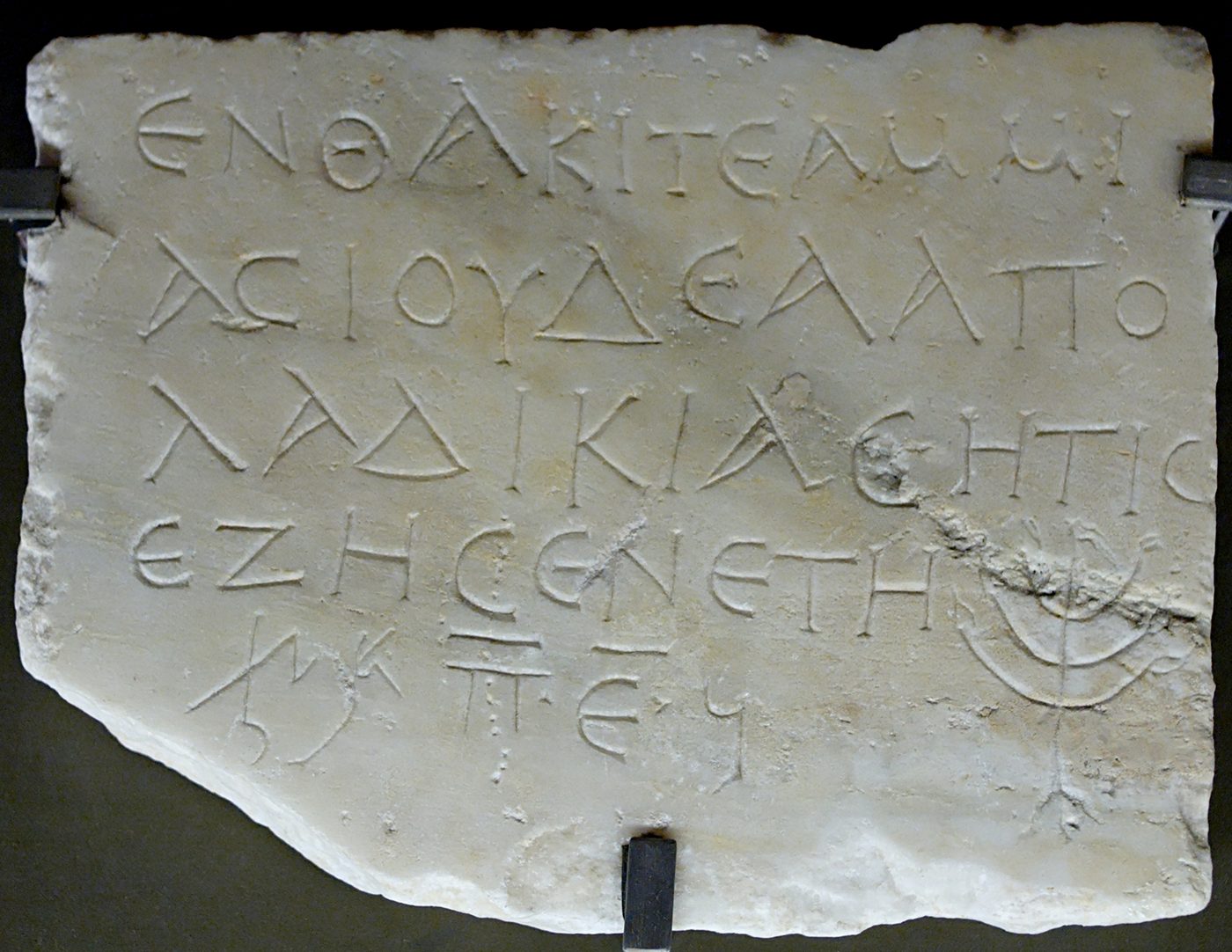
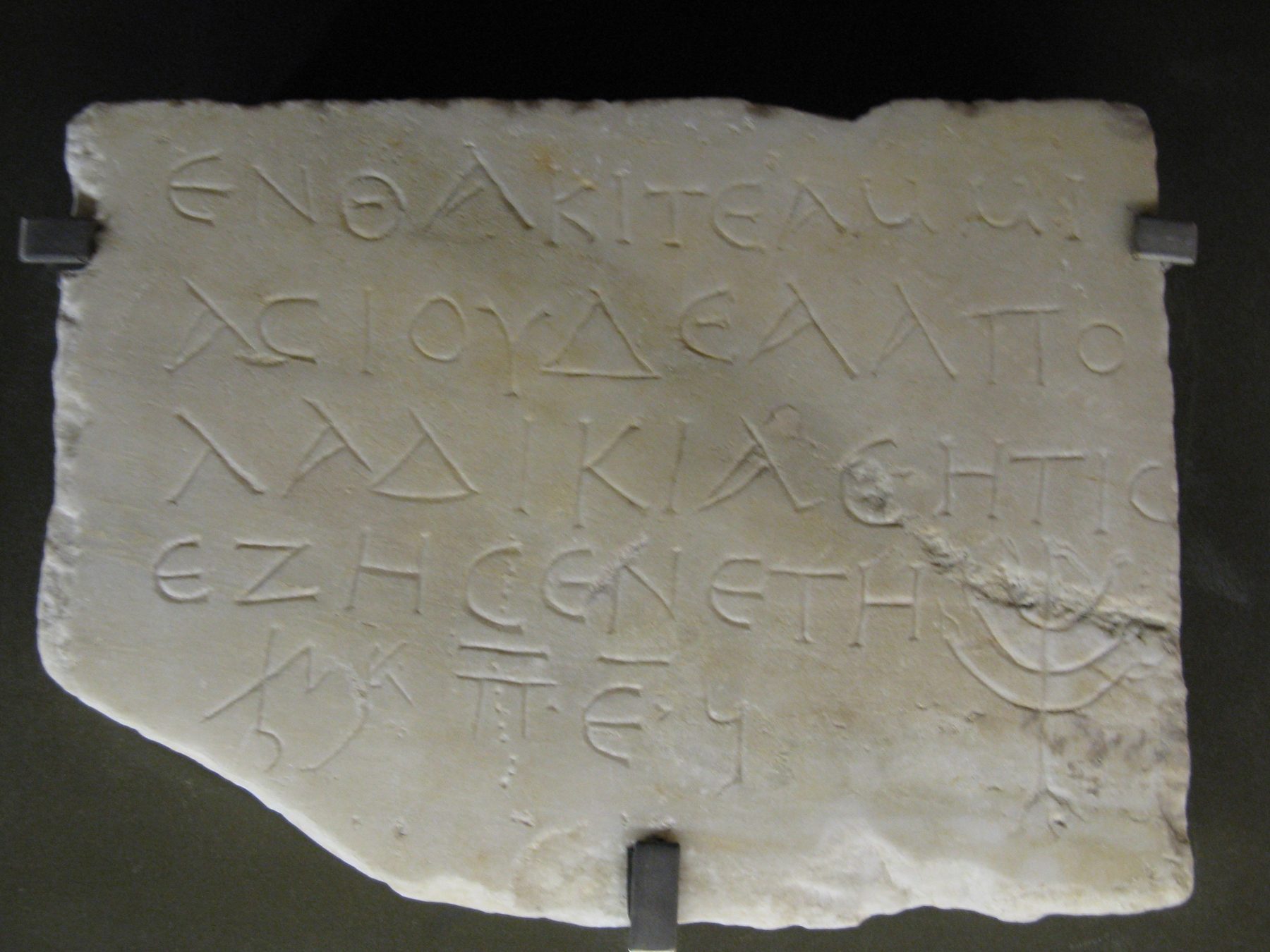
The Roman Jewish community's resilience after the 19 CE expulsion is physically attested in the six known Jewish catacombs of Rome, excavated from the third and fourth centuries CE but preserving evidence of earlier communal structures. The Vigna Randanini and Villa Torlonia catacombs in particular contain hundreds of inscriptions in Greek, Latin and Hebrew naming community officers and families. Harry Leon's The Jews of Ancient Rome (The Jewish Publication Society, 1960, revised 1995) catalogues 534 surviving inscriptions and remains the standard scholarly corpus. The inscriptions show names continuous with earlier Roman Jewish families, indicating the community was never entirely extinguished even after repeated official hostility.
Empires issue edicts. They fill ships and sign orders and congratulate themselves on the tidiness of the solution. What they cannot account for is a people whose entire inheritance fits inside the mind - a calendar memorised, a text studied, an obligation felt rather than administered. Tiberius sent four thousand men to Sardinia. He could not send the Shabbat with them.
The 19 CE expulsion stands at the head of a long Roman habit of alternating toleration with sudden, violent exclusion. It would happen again under Claudius around 49 CE - the expulsion Paul's letter to the Romans brushes against - and again and again across the centuries. Each time, the community absorbed the blow and returned. The tradition of resilience is not incidental to Jewish history; it is the thread itself.