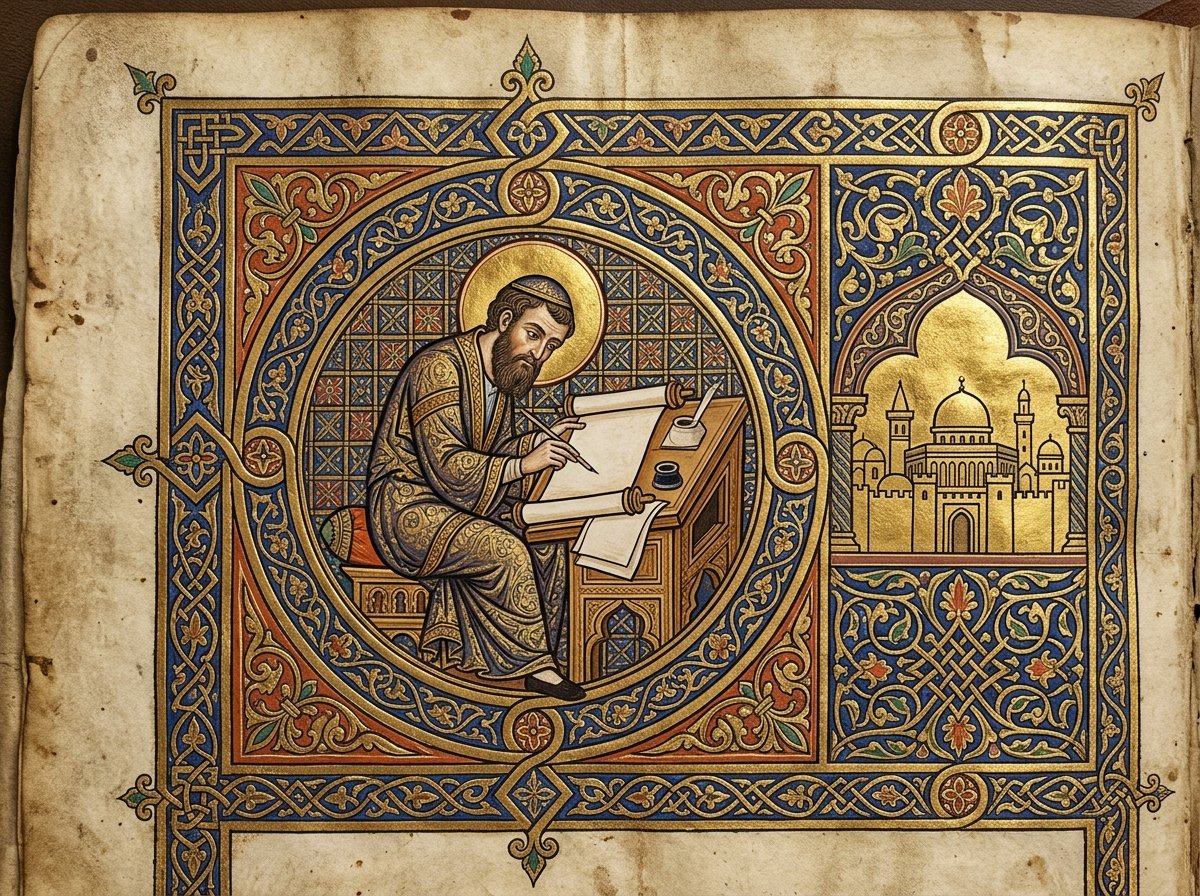
There is a Torah that was never lost. The community that maintained it was small - in the bad centuries fewer than a hundred families clustered in Nablus - but they kept copying. They wrote in a script that mainstream Jewish scribal practice had set aside after the Babylonian exile, an archaic Hebrew hand that coils and curves in ways that feel older than the square Assyrian script that became standard. They called it simply the Torah. Scholars call it the Samaritan Pentateuch, and since its first detailed examination by European scholars in the early seventeenth century it has been plain that this text has something to say about the shape of the Five Books before any single tradition became dominant.
The Samaritan Pentateuch contains all five books of Moses - Genesis through Deuteronomy - with no Prophets and no Writings. That is the entirety of what this community received as scripture, and they received it seriously. Approximately six thousand places in the text diverge from the Masoretic Text, the Hebrew tradition that became normative in rabbinic Judaism. Roughly nineteen hundred of those divergences agree with the Septuagint, the Greek translation made in Alexandria from the third century BCE onward. That agreement is not coincidence. It points to a common Hebrew source text - a manuscript family, now called "pre-Samaritan" - that circulated in the Second Temple period and fed into both the Greek and the Samaritan streams independently. The Samaritan community did not borrow from the Greek. They both drew from the same well.
The record
The most celebrated Samaritan manuscript is the Abisha Scroll, kept by the Samaritan community in Nablus (Shechem) and claimed by them to have been written by Abisha son of Phinehas son of Eleazar, shortly after the Israelites entered Canaan. Modern palaeography and codicology date the main body of the scroll to the twelfth or thirteenth century CE, though an inserted section covering Numbers 35 through Deuteronomy is assessed as significantly older - possibly tenth or eleventh century. The scroll uses the Samaritan Hebrew script, a direct descendant of the Paleo-Hebrew script attested in Iron Age inscriptions such as the Siloam Tunnel inscription and Israelite seals. It is held today at the Samaritan synagogue on Mount Gerizim, Nablus. (See Alan Crown, ed., The Samaritans, Tübingen: Mohr Siebeck, 1989; and Stefan Schorch's critical edition project, University of Halle-Wittenberg, ongoing.)
What the divergences reveal is interesting not because they are corruptions - many are the opposite. Where the Masoretic Text has a difficult reading, the Samaritan version often harmonises or clarifies, expanding shorter passages and smoothing over gaps that the Masoretic Text left unmarked. This is the editorial instinct of careful transmitters, not careless ones. The most famous category of Samaritan expansion is the harmonisation of parallel commandment passages: where Exodus gives the Ten Commandments and Deuteronomy repeats them with slight differences, the Samaritan text smooths those differences by blending the two into a single consistent version. The community was not introducing novelty; it was resolving what must have seemed like scribal inconsistency. The Masoretic tradition chose, in the end, to preserve the rough edges. Both decisions are principled.
The record
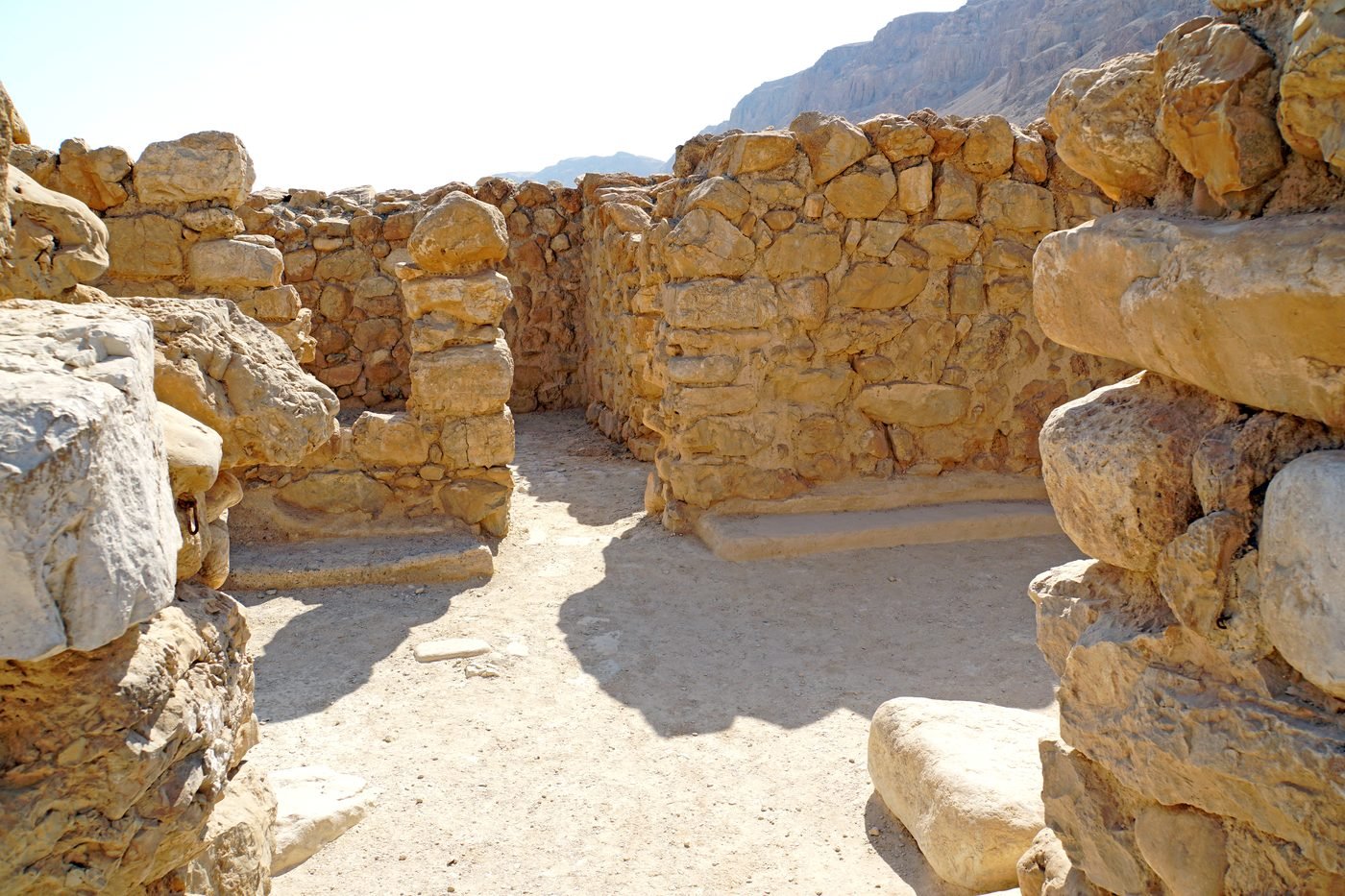
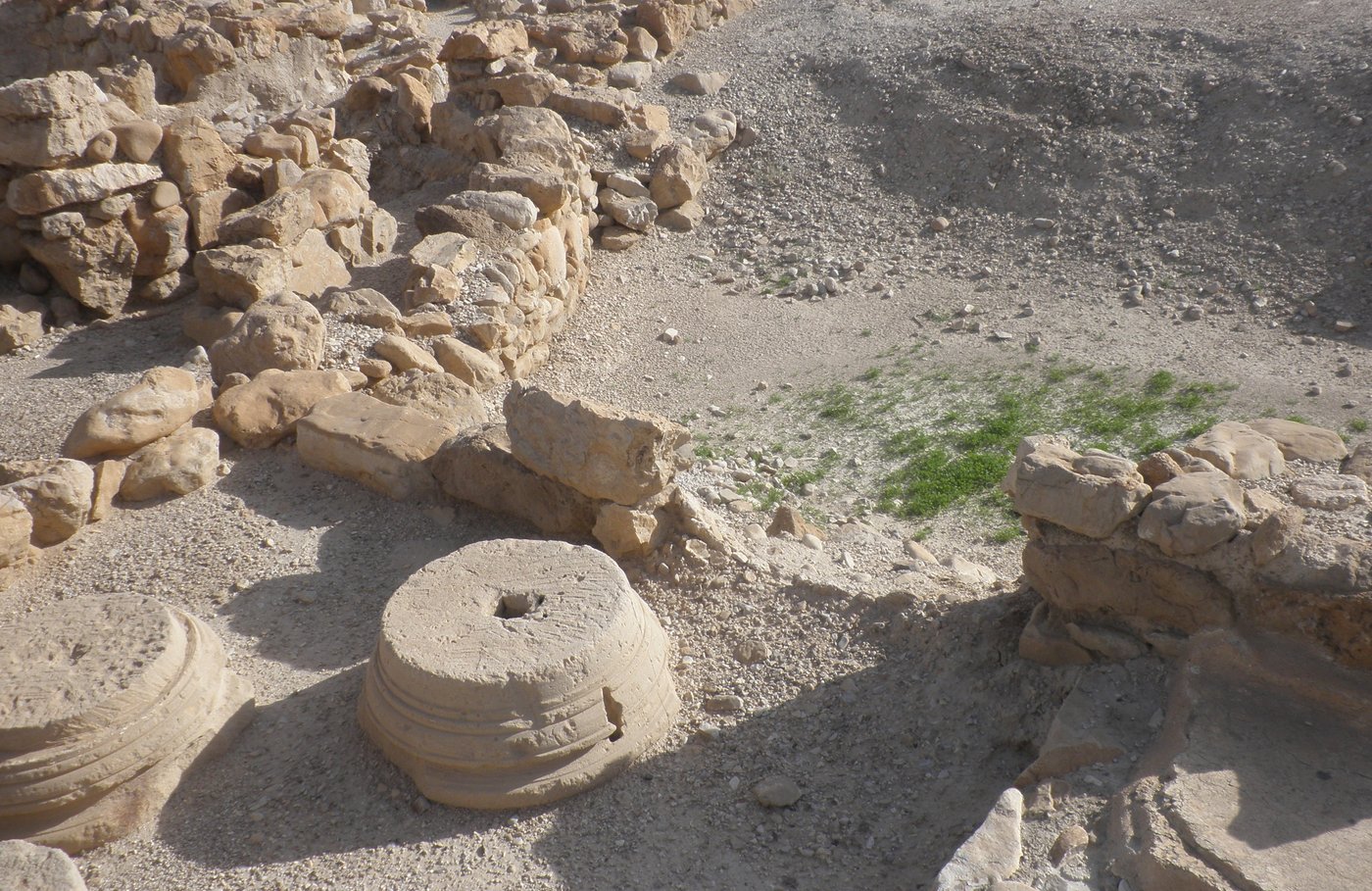
The Dead Sea Scrolls, found from 1947 onward in the caves of Qumran, confirmed what the Samaritan Pentateuch had long suggested: the Hebrew text was not yet uniform in the Second Temple period. Several Qumran manuscripts - notably 4QpaleoExod(m) and 4QNum(b) - belong to the pre-Samaritan manuscript family and show the same expansions and harmonisations found in the Samaritan Pentateuch, without any sectarian Samaritan additions. This demonstrates that the pre-Samaritan text-type was an early Palestinian textual tradition circulating among Jews broadly before any communal separation hardened it into a distinct version. (Judith Sanderson, An Exodus Scroll from Qumran: 4QpaleoExod(m) and the Samaritan Tradition, Harvard Semitic Studies 30, Scholars Press, 1986.)
European scholars first gained access to the Samaritan Pentateuch in 1616 when Pietro della Valle obtained a manuscript in Damascus and brought it to Rome. Jean Morin's 1631 Paris Polyglot Bible printed it for the first time alongside the Masoretic and Greek texts, and it caused immediate controversy: some scholars argued it was older and purer than the received Jewish text, others that it was a later revision. Three centuries of scholarship have produced a more careful answer - it is neither. It is a distinct branch of a text that once existed in multiple manuscript families, and each family preserves things the others do not. The Five Books were faithfully copied in more than one way, and the Samaritan community carried one of those ways through the centuries when every other member of that manuscript family was lost.
The Samaritan Pentateuch does contain one substantive ideological addition not shared with any Jewish or Qumran source: a tenth commandment, inserted after Exodus 20:17 (and the parallel in Deuteronomy 5), mandating the sanctity of Mount Gerizim as the chosen place of worship. That is the community's own mark on its text, and it is transparent enough to be read for what it is. Apart from that one addition, the manuscript tradition is a genuine ancient witness. A small community kept copying their Torah in an old script on a mountain, and what they kept has made the map of the text richer for everyone.
Textual history is rarely a story of one authoritative original flowing cleanly to the present. It is a story of families, branches, and the communities that carried them. The Samaritan Pentateuch is the branch that a small, persistent people brought through intact - a witness to how the Five Books looked before the work of standardisation was complete. Whatever divided the communities, the text they shared is older than the division, and what they preserved belongs to the broader picture of how the Torah came to us.