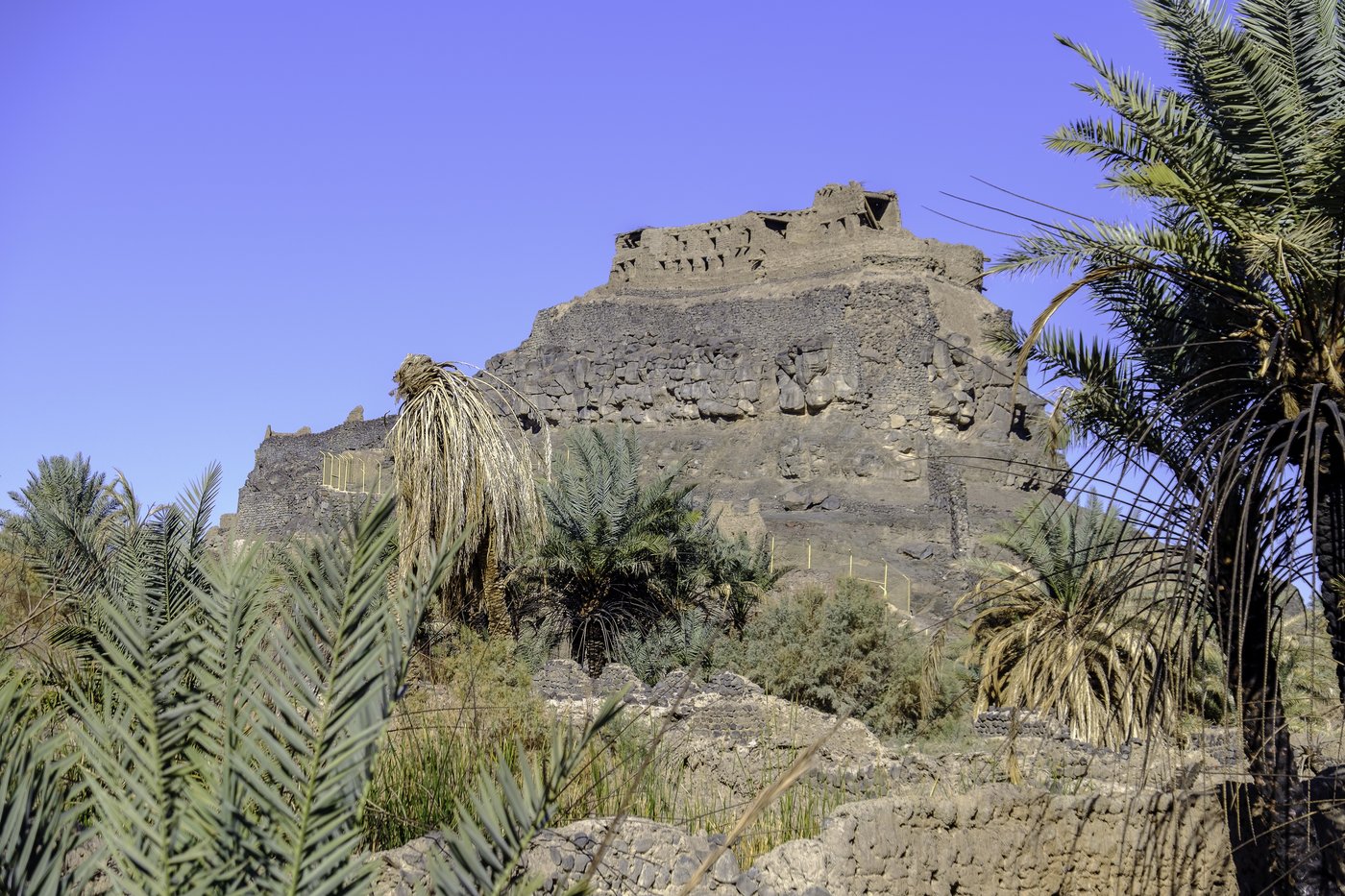
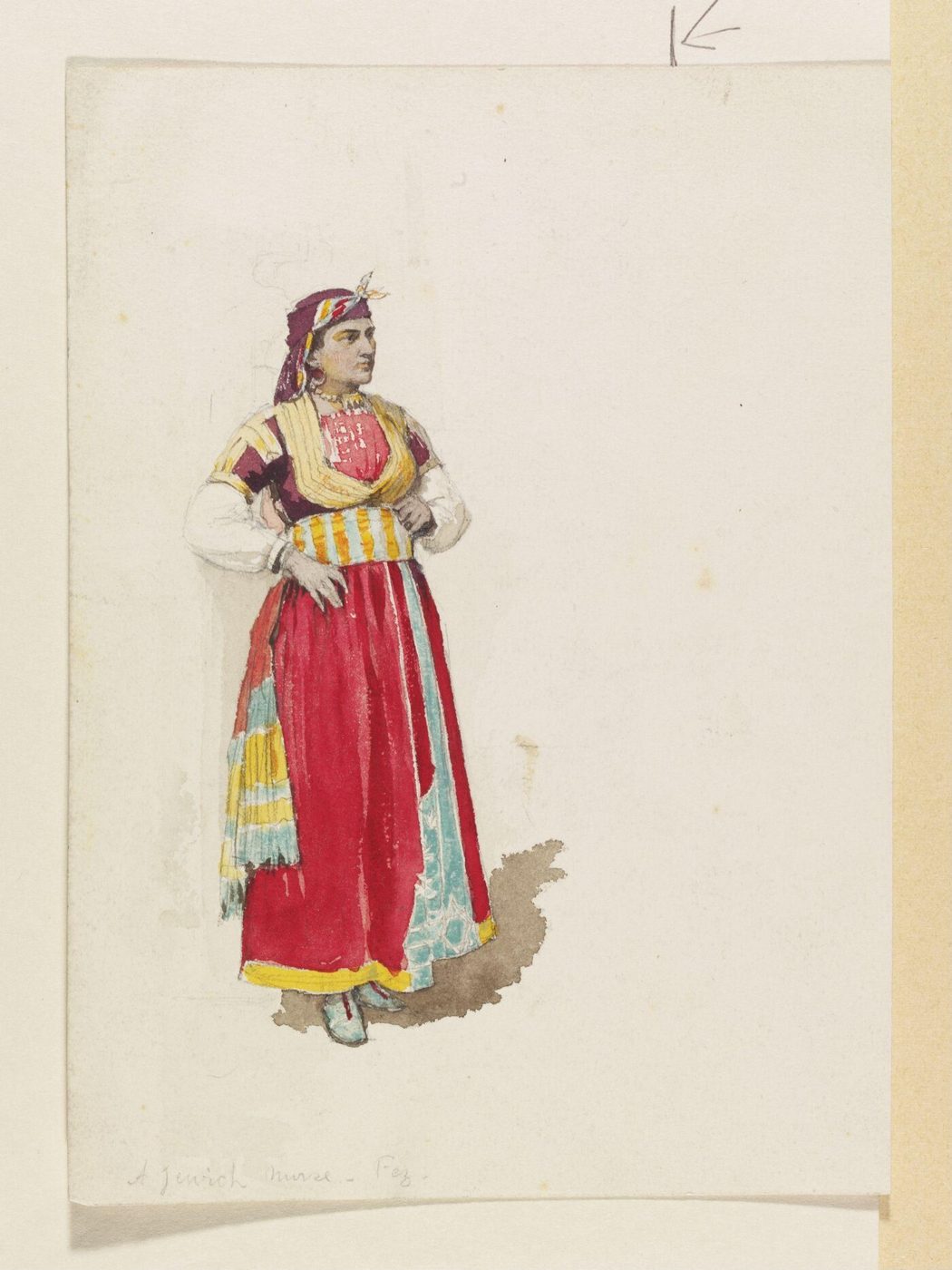
The oasis town of Yathrib sat about 280 miles (450 km) north of Mecca, in a wide volcanic basin where date palms grew heavy and wells held water year-round. By the fifth century CE, three major Jewish tribes had made it theirs: the Banu Qaynuqa, skilled smiths and goldsmiths who worked the town's main market; the Banu Nadir, wealthy landowners whose stone forts stood among the palm groves to the south; and the Banu Qurayza, farmers who cultivated some of the best dates in the Hejaz. The town's economy was, in no small measure, a Jewish economy.
How long had they been there? The traditions vary. Some later Arabic sources trace their arrival to the destruction of the Second Temple in 70 CE - refugees who followed the trade routes south through the Sinai and along the Red Sea coast. Others point to communities already present after the Babylonian exile, filtering into Arabia across many generations. Whatever the precise origins, by the sixth century these communities were not newcomers. They owned the land, they set the terms of local commerce, and they maintained alliances with the Arab clans who shared the oasis.
The record
The three tribes are named in the Constitution of Medina (Sahifat al-Madinah), a document dating to the early years of Muhammad's residence in the city, c. 622 CE. The text - preserved in Ibn Ishaq's Sirat Rasul Allah (c. 750 CE, transmitted via Ibn Hisham) - lists the Banu Qaynuqa, Banu Nadir, and Banu Qurayza among the signatories of a mutual-defence pact, describing them as "one community (umma) with the believers" while also affirming that "the Jews have their religion and the Muslims have theirs." This document is one of the earliest surviving political texts from Arabia and is the primary source for the tribal composition of Yathrib at the moment of the city's transformation.
The intellectual life of Yathrib's Jewish communities was real and documented. Synagogues - called bayt al-midras in Arabic sources, a direct borrowing of beit midrash - served as schools as well as houses of prayer. The early Islamic tradition records that Muhammad visited these houses of learning and engaged in debate with local rabbis about scripture. The Banu Nadir in particular were associated with religious scholarship; later sources describe them as ahbar, a term for learned men. Torah was studied in Arabic as well as Hebrew, and the rhythms of Shabbat, kashrut, and the festival calendar shaped the weeks and seasons of the oasis long before the adhan sounded from any minaret.
The record
The Banu Qaynuqa were the first of the three tribes to be expelled from Yathrib, in approximately 624 CE, following a dispute that escalated after the Battle of Badr. The Banu Nadir followed in 625 CE, relocating principally to Khaybar, another Jewish oasis settlement to the north. The Banu Qurayza's fate after the Battle of the Trench (627 CE) was more severe. These events are recorded in Ibn Ishaq's biography and confirmed in broad outline by later Islamic historians including al-Tabari (Tarikh al-Rusul wa'l-Muluk, completed c. 915 CE). The community that dispersed from Yathrib did not disappear: the Khaybar settlement remained active until its own conquest in 628 CE, and Jewish communities in other parts of Arabia and the Fertile Crescent absorbed those who fled.
The Jewish presence in Yathrib was not a footnote to the rise of Islam - it was part of the soil from which that story grew. The debates, the alliances, the shared vocabulary of prophecy and covenant, the direct acquaintance with Torah and midrash that Muhammad's early followers encountered in those lanes and date-palm groves: all of it left marks. For the three tribes themselves, Yathrib was home - built over generations, rooted in labour and learning. That it did not remain so is part of their history too. The tradition carries it forward, as it carries everything: in memory, in text, and in the names still preserved in the sources.