Sometime in midsummer, a farmer in the hill country notices it: the first fig on its branch, the first cluster of grapes beginning to colour. He does not pick it. He ties a piece of reed around it - a small, deliberate act - and from that moment the fruit belongs somewhere else. It is bikkurim, first-fruits, and it is already on its way to Jerusalem.
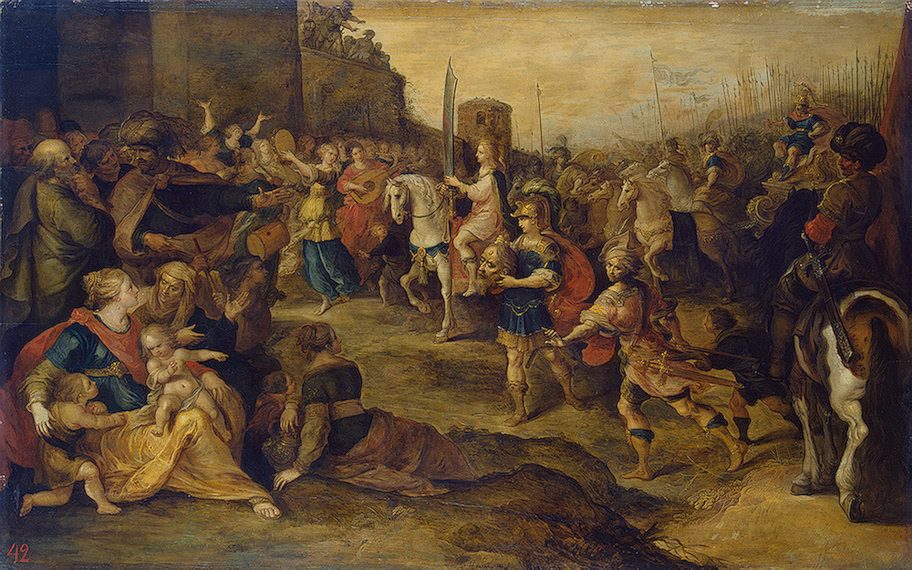
The journey was not a private errand. Communities from the same district gathered together and travelled in procession, their animals garlanded, a flute player going ahead of them, the gilded ox at the front with its horns wrapped in olive branches. As the column entered Jerusalem, the city's craftsmen were said to come out of their workshops to greet them - a mark of honour that normally belonged only to kings. The baskets rode on shoulders. The mood, the Mishnah later records, was festive enough to make women dance from their windows to watch them pass.
The record
Tractate Bikkurim in the Mishnah (compiled c. 200 CE, Order Zeraim) preserves the fullest account of the ceremony. It specifies the Seven Species - wheat, barley, grapes, figs, pomegranates, olives, and dates - as the only fruits eligible for bikkurim, drawing on Deuteronomy 8:8. The tractate describes the procession from the district towns, the reception at the Temple gates, the waving of the basket before the altar, and the recitation of the declaration found in Deuteronomy 26:5-10. Mishnah Bikkurim 3:2-4 gives the detail of the gilded ox, the flute player, and the community cortege.
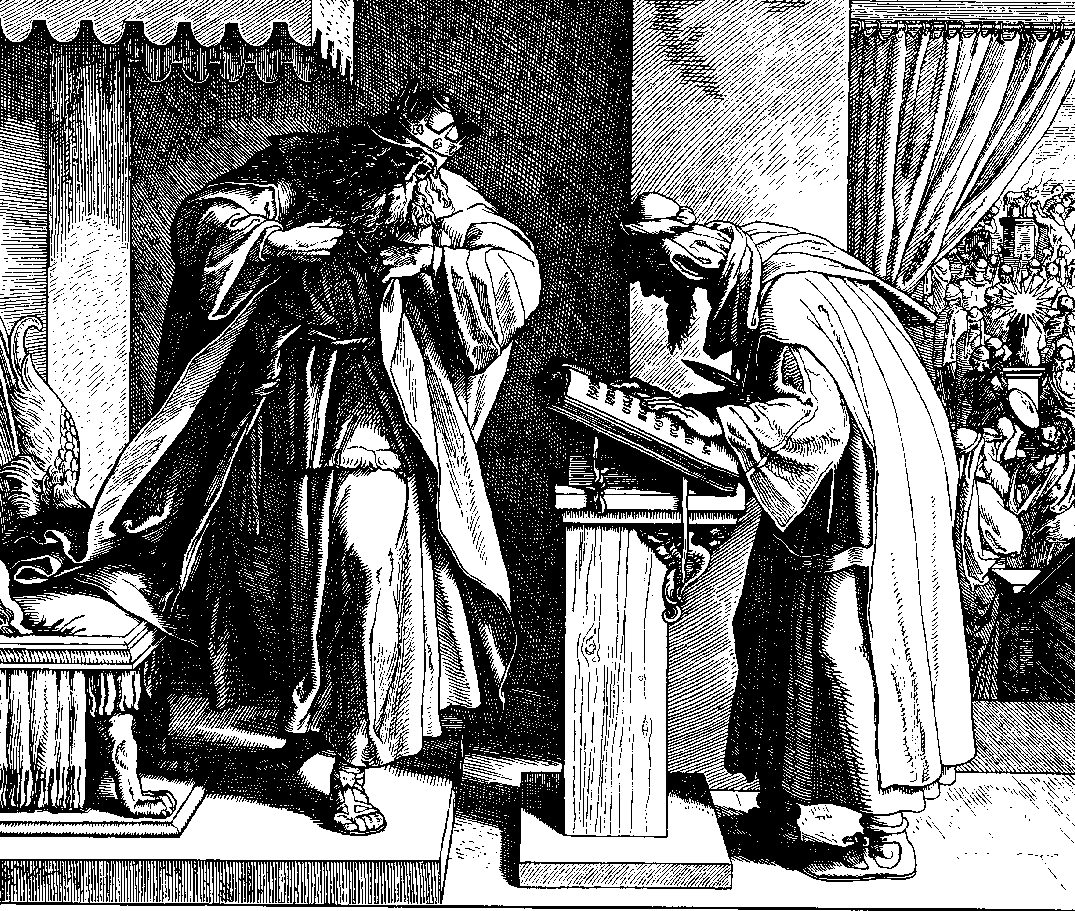
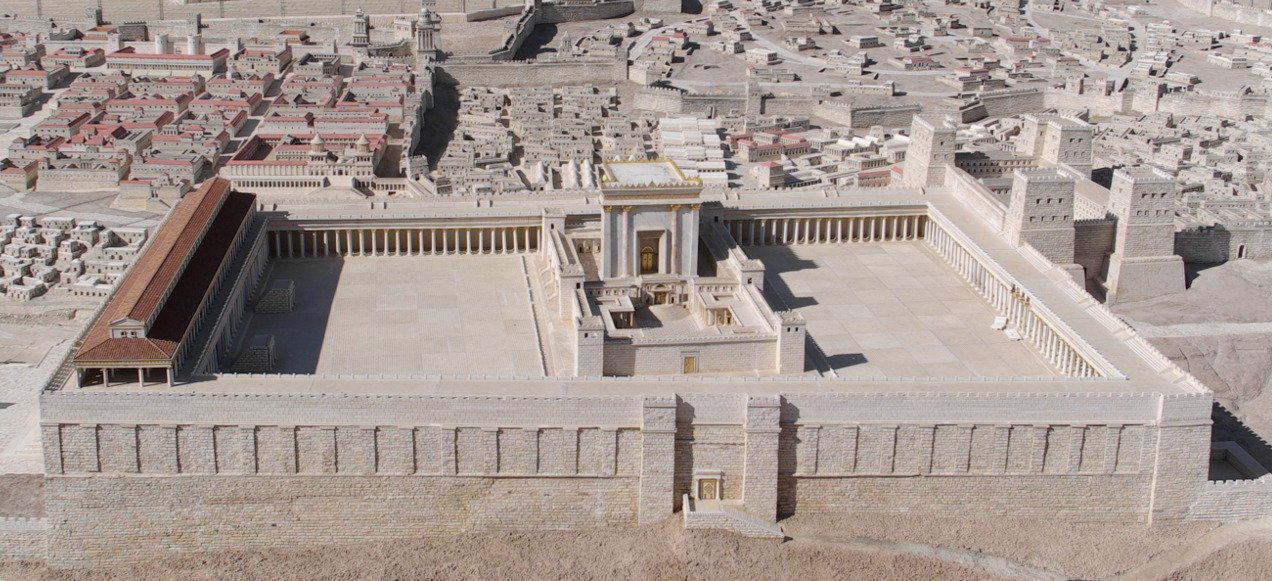
At the Temple, the farmer lifted his basket onto his shoulder, approached the altar, and recited words that are among the most studied in the entire Torah. The declaration in Deuteronomy 26 begins: "A wandering Aramean was my father." It is not a description of the harvest at all. It is a compressed history - descent to Egypt, slavery, exodus, land. The basket of figs becomes the punctuation at the end of a very long sentence that started with Abraham. The Passover Haggadah later took this very passage to the heart of the seder, but in the Temple period it belonged first here, at the moment of bringing the first-fruits. The point was unmistakable: the land does not belong to you as a matter of course. You received it. The fruit is the reminder.
After the recitation, the basket was set down before the altar and the farmer bowed. The priests took the basket - the fruit itself became theirs, one of the priestly gifts that sustained the Temple and its workers. Leaving empty-handed was the point. The first, and therefore the most urgent, was given away. The rest of the harvest could then come in with a clean conscience.
The record
The earliest textual foundation is Exodus 23:19: "The choicest first-fruits of your soil you shall bring to the house of the Lord your God" - part of the Covenant Code, the oldest layer of Israelite law. Deuteronomy 26:1-11 then provides the full liturgical form, including the farmer's declaration. The Seven Species enumeration ties the ritual to the specific geography of Canaan: these are the crops the land itself was praised for in Deuteronomy 8:8. The Hebrew University Bible Project's critical editions of these texts, as well as the standard commentary by Jeffrey Tigay in the JPS Torah Commentary series (Deuteronomy, 1996), note that the declaration's historical narrative is unique in the ancient Near East - no other agricultural offering ceremony required the offerer to recite the story of his people's origins.
After 70 CE and the destruction of the Temple, the bikkurim procession stopped. There was no altar to bring the basket to, no priest to hand it over to, no flute player needed. The rabbis preserved the tractate, the declaration, and the memory - and the Haggadah carried the Deuteronomy text into every subsequent Passover seder, ensuring it was never actually lost. Some contemporary communities have revived symbolic first-fruits ceremonies on Shavuot, the festival that falls seven weeks after Passover and was the original deadline for the bikkurim offering. The basket travels again, if not to Jerusalem then at least towards the idea of it.
What the bikkurim ritual understood is that gratitude needs a body. The feeling of thankfulness, left to itself, dissipates. Put something in a basket - something you grew, something you waited for - carry it a long distance, say the words out loud in front of other people, and hand it over: now the gratitude has weight and form and a story attached to it. The Seven Species ripened every year. The declaration was spoken every year. The land kept asking to be acknowledged, and the acknowledgement kept requiring the whole history of the people who stood on it.