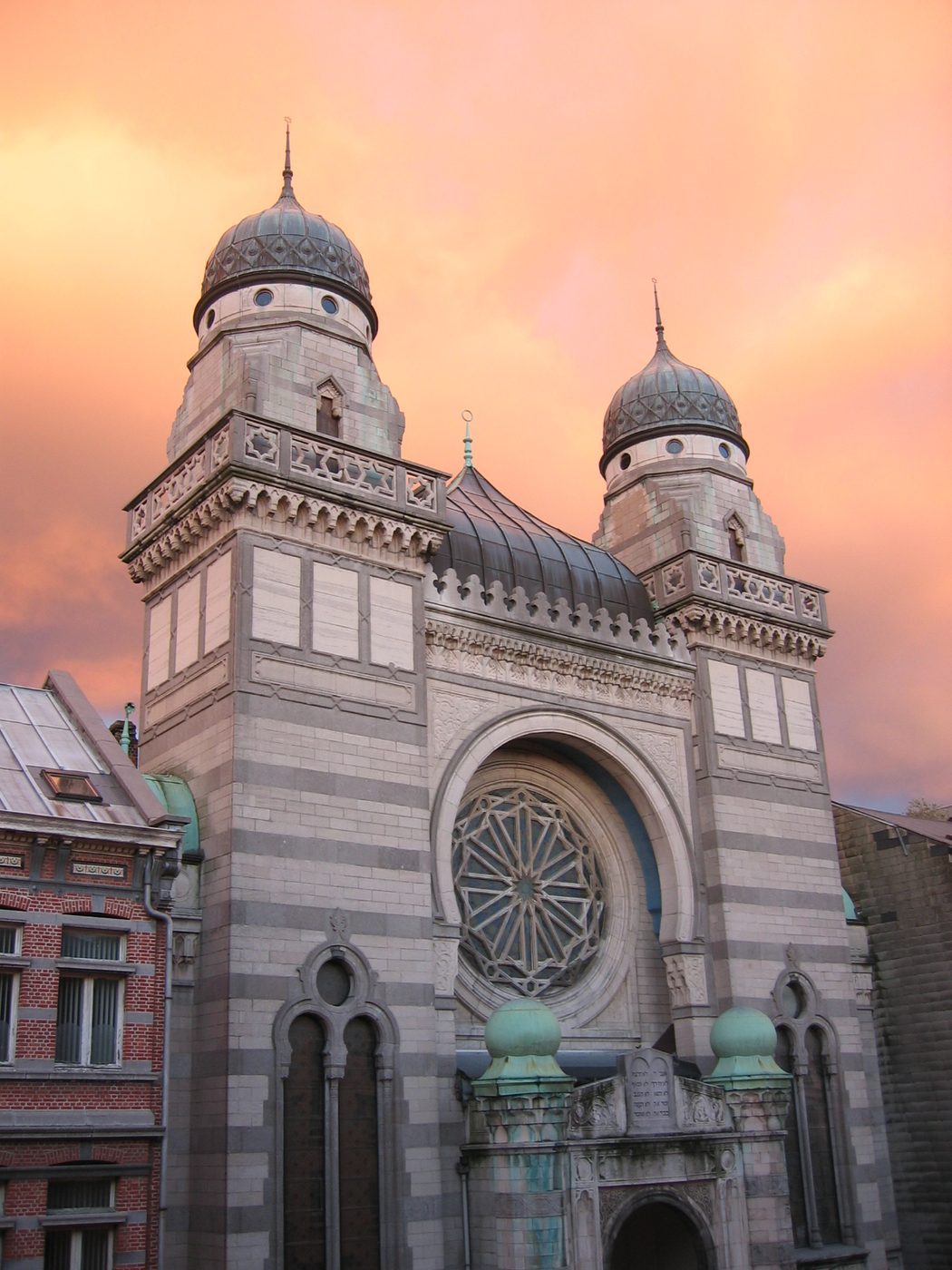
There is a building on Paul Kruger Street that tells you almost everything about Pretoria's Jews and how the world spent the twentieth century. It went up in 1897 as a synagogue, on land the old Boer president Paul Kruger gave the community. Half a century later the apartheid state took it over and turned it into a courtroom, and it was in that former synagogue that Nelson Mandela stood trial for treason. A house of prayer became a stage of history. Few small communities leave so heavy a stone behind.
The community itself was never large. It began in 1876 with men gathering for a minyan in a photographer's house, and it grew, as nearly all South African Jewry did, out of Lithuania. Around nine in ten South African Jews trace their roots to the Litvak world, the towns of the Kovno region especially, who came south in their tens of thousands between roughly 1880 and 1914. Pretoria got its share. By 1891 some seven hundred Jews were in the town, enough to hold a Yom Kippur service over a hundred strong and to start planning a building of their own.
The synagogue that became a courtroom
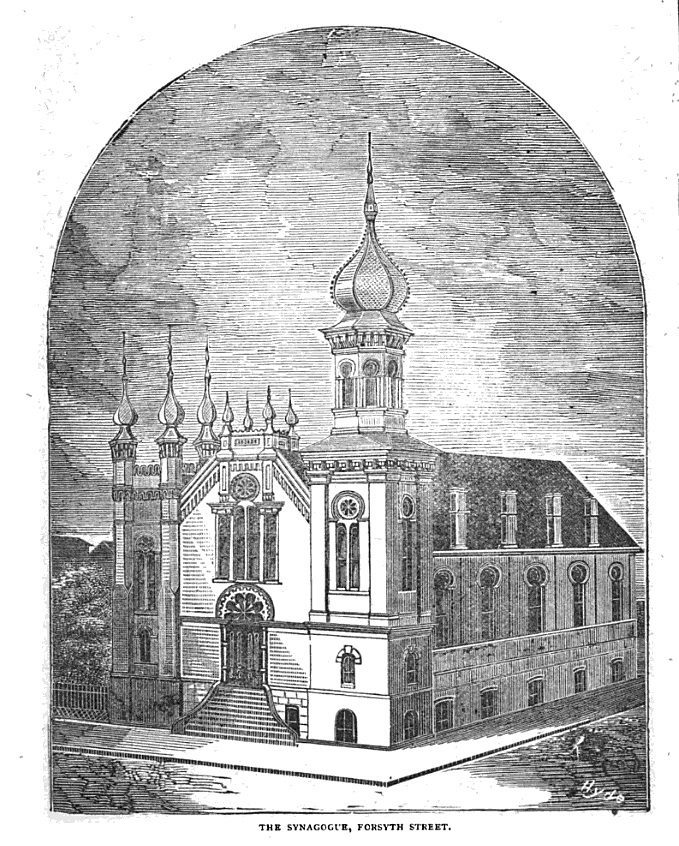
The Old Synagogue was consecrated in 1898, a Byzantine-domed building paid for in part by the industrialist Sammy Marks, who also gave its first Torah scroll and later cleared its mortgage. The congregation worshipped there until 1952, when it moved to a larger synagogue and the old one passed to the state. From 1956 the building served as a special annexe of the Supreme Court, and there the great political trials of the era were heard.
The Treason Trial of 1956 was transferred to the Old Synagogue in 1958 and ran until 1961; among the 156 originally accused were Mandela and Walter Sisulu, and in the end every defendant was acquitted. Two decades later the same building hosted the inquest into the death in custody of Steve Biko. It is worth being precise here, because the famous Rivonia Trial that sent Mandela to Robben Island in 1964 was heard chiefly at the nearby Palace of Justice, not the synagogue. The building's claim is the Treason Trial, and that is claim enough.
From sanctuary to special court
Pretoria's Old Synagogue, consecrated in 1898 on land granted by President Paul Kruger, was vacated by the congregation in 1952 and taken over by the state. From 1956 it served as a court annexe, and the Treason Trial of Nelson Mandela and his co-accused was held there from 1958 to 1961, ending in acquittals. The Rivonia Trial of 1963-64 was heard mainly at the Palace of Justice.
Old Synagogue, Pretoria · South African Jewish ReportA working community, not a relic
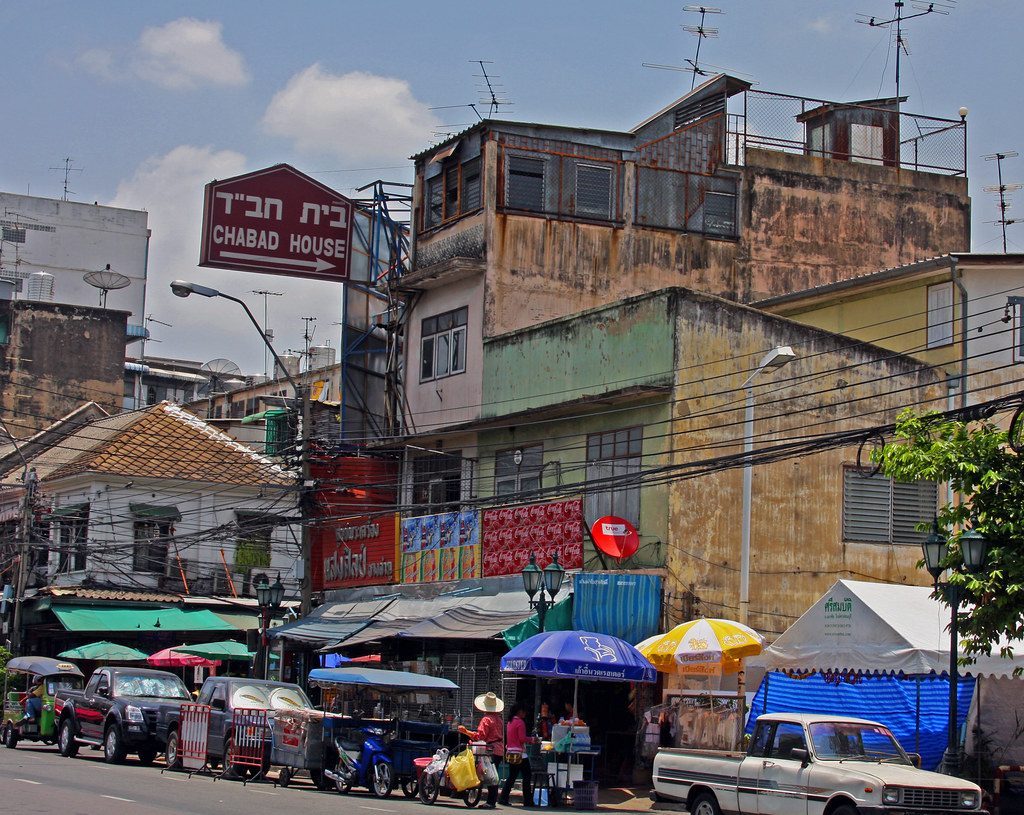
Strip away the courtroom drama and what remains is an ordinary, durable Jewish town. The Pretoria Hebrew Congregation, the community's Orthodox spine since 1890, worships now from a synagogue at Groenkloof, opened in 2001. The Carmel School, founded by the congregation in 1958, still teaches. In 2001 a Chabad rabbinical college was established in the city, giving Pretoria something most small communities never manage: a yeshivah of its own, ordaining rabbis rather than merely importing them.
The numbers are modest and worth stating plainly rather than inflating. The 2016 community survey counted 1,579 Jews in the Tshwane metropolis that contains Pretoria, against a national community that peaked near 120,000 in the 1970s and has since contracted as families emigrated. Small, then. But a community with a school, a yeshivah and a congregation older than the Union of South Africa is not a blank spot on anyone's map. It is a working concern.
School, yeshivah and a measured size
The Pretoria Hebrew Congregation founded the Carmel School in 1958, and a Chabad rabbinical college was established in the city in 2001. The 2016 Statistics South Africa community survey recorded 1,579 Jews in the Tshwane (Pretoria) metropolis, part of a national community that peaked at roughly 120,000 in the 1970s.
Pretoria Hebrew Congregation · Statistics South AfricaThey took the synagogue and made it a courtroom, and acquitted the men inside. The congregation simply built another and carried on.
What the capital keeps
Pretoria is South Africa's administrative capital, a city of ministries and jacaranda, and its Jews have always been a small thread in a large official cloth. That smallness is not weakness. It is the ordinary condition of most diaspora communities, which is precisely why Pretoria is worth a page: it shows what continuity looks like when it is not large enough to be loud. A minyan in 1876, a congregation in 1890, a synagogue that history reached in and borrowed, a school, a yeshivah, and a community still keeping its calendar in the capital of a changed country. The drama left the building in 1994. The community did not.
Further reading