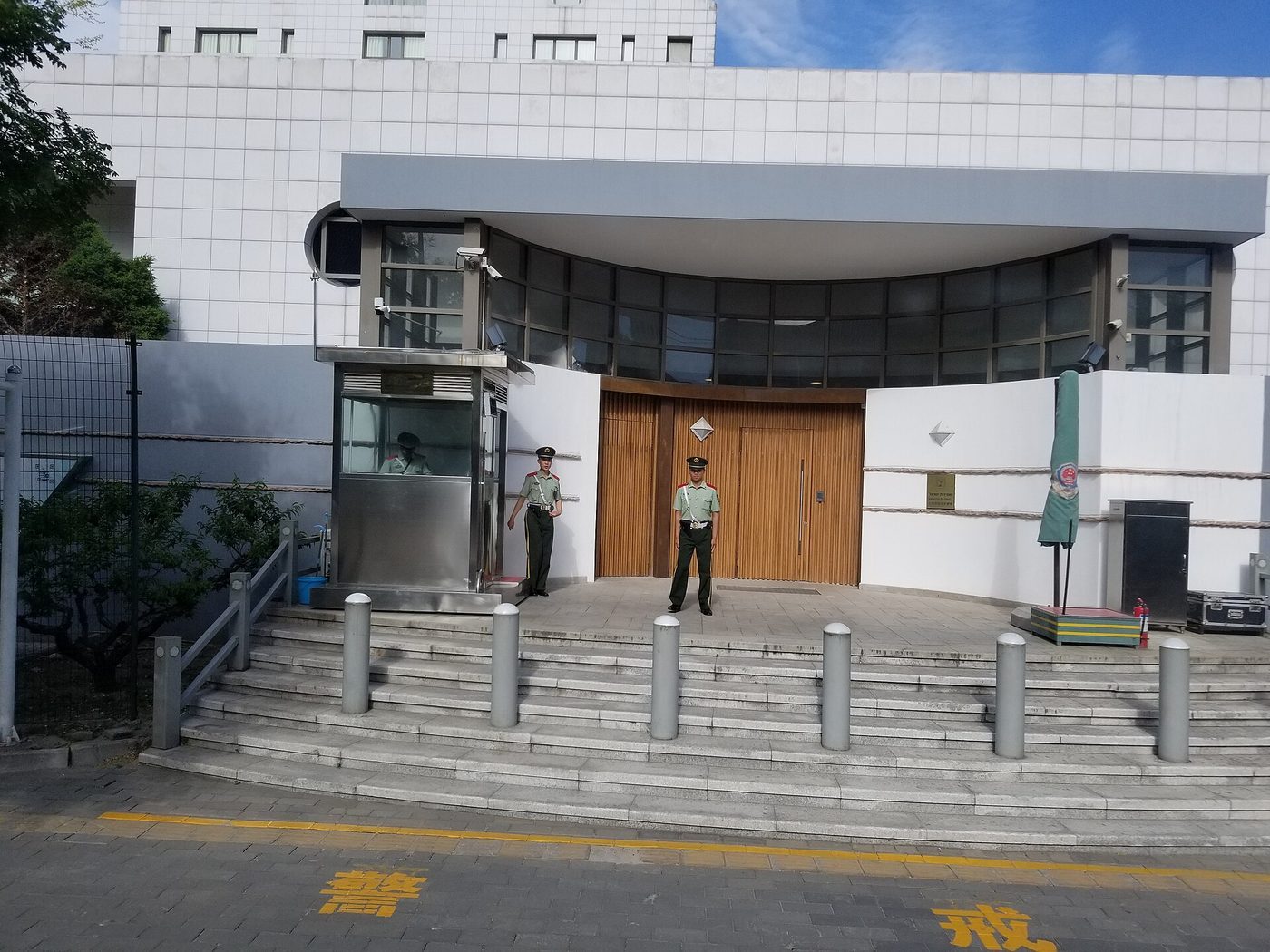
Bangkok is one of the clearest examples of a small Jewish community living in a big city without losing its public form. The capital of Thailand holds synagogues, kosher life and enough permanence to make the community visible, not just present.
That visibility is what gives it weight in the atlas.
From visitors to permanent life
The Jewish community of Thailand began with Baghdadi arrivals and later with other migrants and refugees. In Bangkok, the key shift came in the late 20th century when a permanent rabbi and more settled institutions gave the city a clearer communal rhythm.
Bangkok is not a classic diaspora capital. It is a modern Asian city that learned to host one.
A stable communal life begins
In 1993, Rabbi Yosef Chaim Kantor took up residence as the first permanent rabbi in Bangkok, at the request of the city's synagogues. The date marks the point when Jewish life in Bangkok became structurally more durable. The city already had Jews. It now had an anchor.
Jewish Community of ThailandSynagogues, tourists and residents
Bangkok's Jewish life now includes resident families and a large flow of visiting Jews, especially Israelis and Americans. Synagogues such as Beth Elisheva and the Chabad house keep the city legible to both groups.
That combination of residents and transients is part of Bangkok's charm. The city knows how to host without flattening.
A small city-within-a-city
The Jewish Association of Thailand and Bangkok's synagogues have kept the city's communal life visible since the 1990s. The city's permanent Jewish population is small, but the institutions are real and active. Bangkok proves that size is not the same as absence.
Jewish Community of Thailand; Chabad BangkokA capital with an address
Bangkok matters because it keeps a small community from becoming invisible.
The city does that by giving the community actual doors.