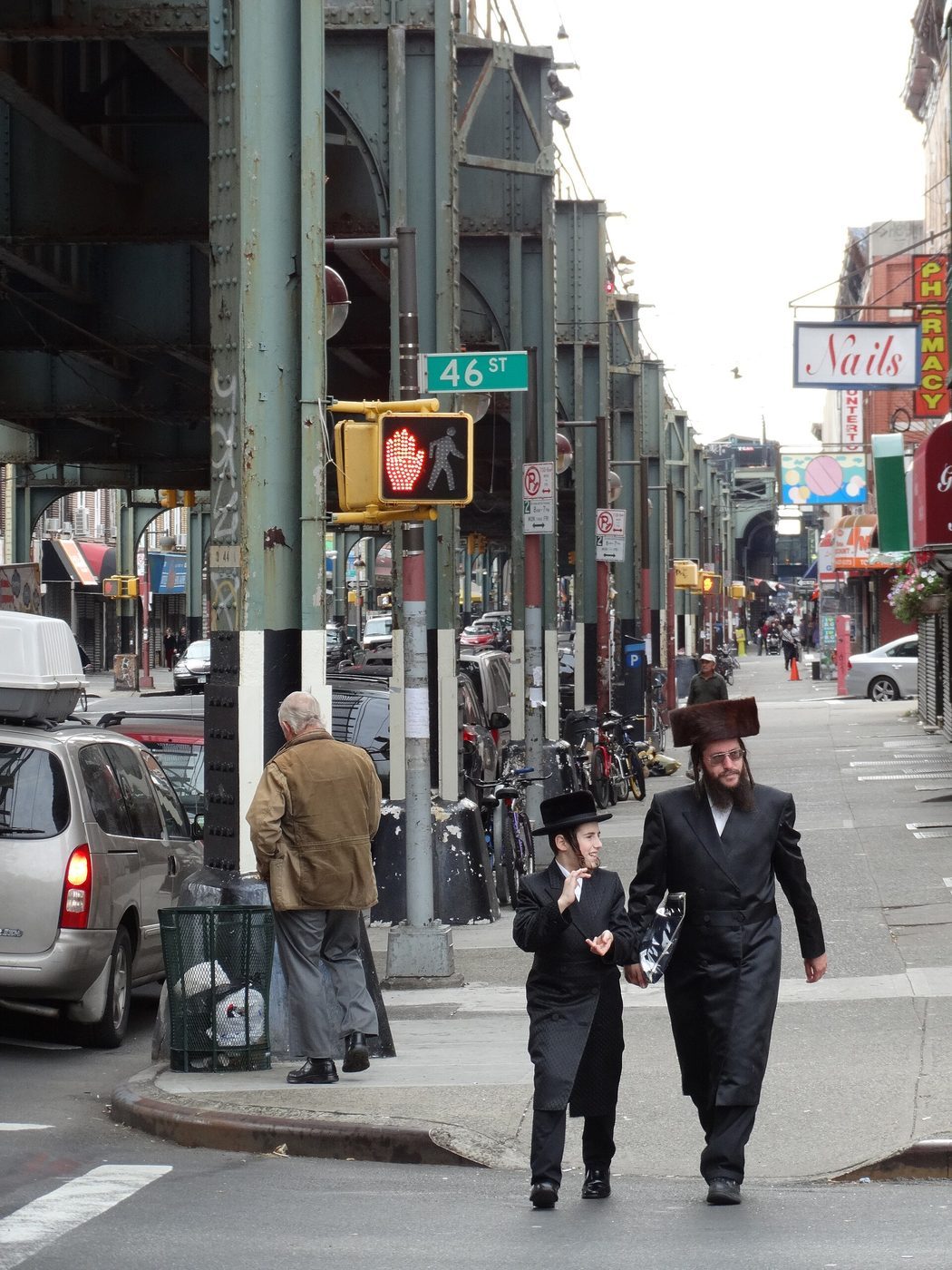
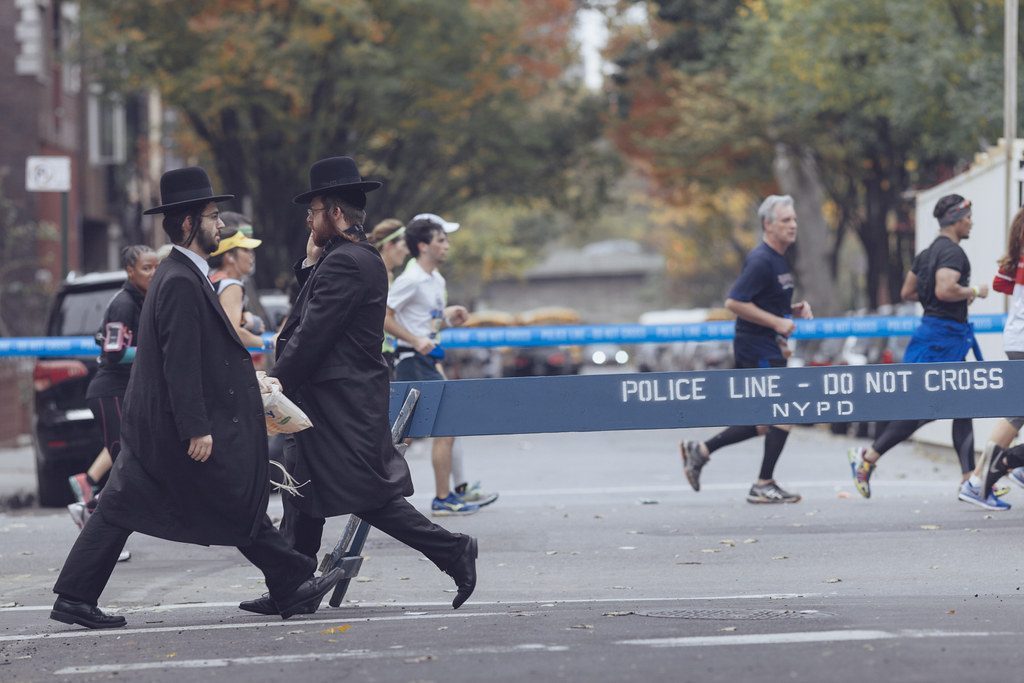
New Square was not a suburban accident. It was a deliberate re-founding. Skverer families from Williamsburg laid out the village in Rockland County in the 1950s so that communal life could continue with fewer compromises and more room.
The result was one of the clearest American translations of a Hasidic court into local geography.
A court becomes a town
The village began as an answer to overcrowding and distance from the old urban streets. It let a growing community build schools, prayer houses and a social rhythm on ground it could more fully control.
That is why New Square matters. It shows that American Jewish life was not always an erosion of inherited structure. Sometimes it was the place where structure got a new postcode.
The village begins as an idea
In 1954, Skverer families from Williamsburg began laying out New Square in Rockland County. The settlement gave the court a new spatial logic: smaller streets, closer institutions and a community built to preserve a Hasidic way of life. In America, sometimes the answer to congestion is a village.
Village history; Skverer community recordsA very American Hasidic settlement
New Square is important because it takes the old Hasidic pattern of bounded communal space and places it inside the United States. The village is not a replica of Europe. It is an American settlement that chose continuity over assimilation.
Its name may sound new, but the logic is old: the court, the family, the schools and the daily prayer all reinforce one another until the village itself becomes a social instrument.
The village becomes legal
The village incorporated in 1956, turning a settlement into a municipal fact. That legal step made New Square one of the clearest examples of a Hasidic community shaping public geography in the United States. The paperwork and the piety arrived together, as they often do.
Village of New Square records; Skverer community historiesA court with room to breathe
New Square is the opposite of accidental density. It was chosen, shaped and defended as a way of keeping a people legible to itself.
That is why a village can feel like an argument - and win it.