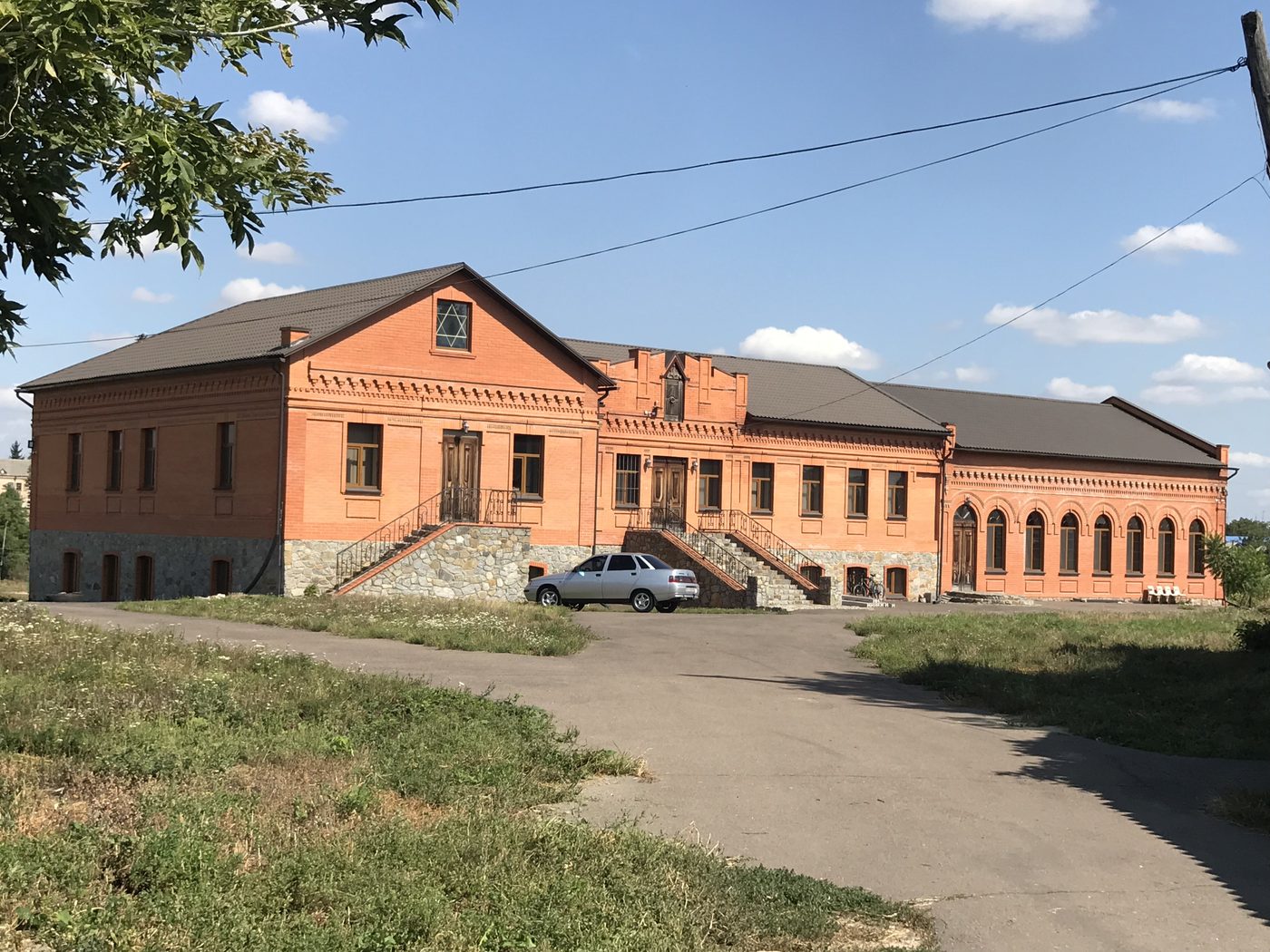
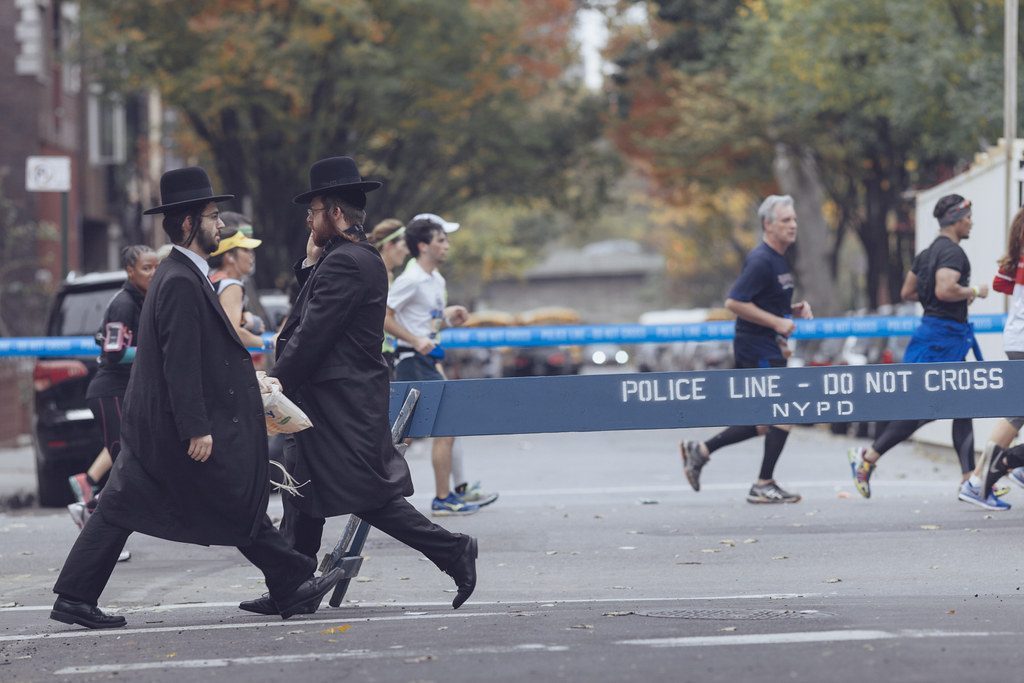
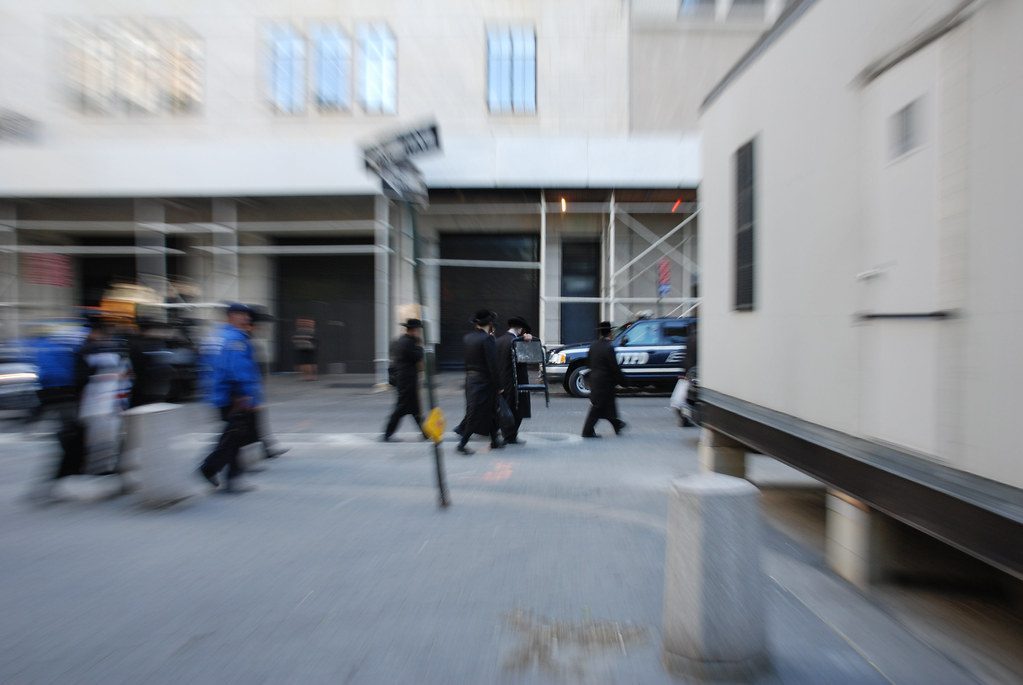
Borough Park is not a place that asks to be noticed from a distance. It announces itself at street level - on sidewalks, in shop windows, on the way children move between school and home - and the whole neighbourhood feels arranged around the Jewish week.
What happened here was not a single founding moment. It was a sequence of arrivals, each one adding another court, another school, another rhythm, until a Brooklyn district became one of the most recognisable Hasidic landscapes in the world.
From brownstones to a communal street
The major Hasidic courts that settled here after the war brought with them the disciplines of dress, schooling and court life. Borough Park responded by becoming thick with yeshivot, bakeries, shuls and small businesses that kept the place running on a Jewish calendar.
That density matters. Borough Park is not a suburb in the soft sense. It is a neighbourhood that learned to turn concentration into continuity, and continuity into public confidence.
Postwar Hasidic settlement in Brooklyn
After the war, courts and families from across Europe resettled in Brooklyn, and Borough Park became one of the clearest centres of that shift. The neighbourhood’s schools, synagogues and commercial corridors reflect the rebuilding of Hasidic life in New York rather than a nostalgic imitation of Europe.
YIVO Encyclopedia; local Brooklyn Jewish historyThe neighbourhood as institution
Today Borough Park is read less as a neighbourhood than as a communal machine. It has its own rhythms of Sabbath, business and study, and its own way of making the public street answer to private observance.
That can look inward from outside. From inside, it is simply a people arranging everyday life so that it keeps faith with itself.
Brooklyn population and neighbourhood counts
Recent census work and local planning studies place Borough Park among the most densely Jewish parts of New York City, with a large Hasidic population and strong household continuity. The numbers matter less than the fact they confirm what the street already makes obvious.
U.S. Census; NYC planning reportsWhat it proves
Borough Park proves that Jewish life does not need a grand monument to become visible. A few avenues, kept busy for a few generations, are enough.
The lamp here is bright because the whole neighbourhood learned to face one another.