Gora Kalwaria never looked like the centre of anything grand, which is often how Jewish centres begin. Then the Ger court took its name from the town and gave the town a second life in Jewish memory.
By the late nineteenth and early twentieth centuries Ger had become one of the largest Hasidic dynasties in Poland, known for discipline, learning, and an exacting court culture that travelled well.
A town becomes a dynasty
The story begins with Rabbi Yitzhak Meir Alter, the Chiddushei HaRim, whose leadership in the 1830s and 1840s gave Ger its first great shape. His descendants kept the court moving and the name kept following them.
What Ger exported was not spectacle alone. It was a style of piety that treated order as a virtue and scholarship as a public language.
Rabbi Yitzhak Meir Alter leads the Ger court
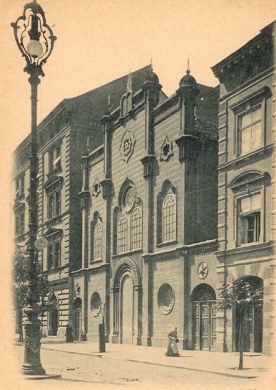
The Chiddushei HaRim served in Gora Kalwaria and made the town the point of origin for the Ger Hasidic dynasty. By the interwar years, Ger was the largest Hasidic court in Poland and one of the decisive voices in Polish Jewish religious life.
YIVO Encyclopedia of Jews in Eastern EuropeThe name outlives the street
The town itself was battered by war and disappearance, but the dynasty name survived the collapse of European Jewish life. After the Holocaust, the court re-established itself in Jerusalem and later became one of the defining Hasidic presences in Israel.
That is the Ger trick: a place becomes portable without ceasing to be a place. The court keeps the town alive even after the town no longer keeps the court.
A market town that few outsiders could find on a map became a name spoken daily in study halls across the Jewish world.
Ger is what happens when a town becomes a title and the title survives the town.a portable court
The court re-establishes itself in Jerusalem
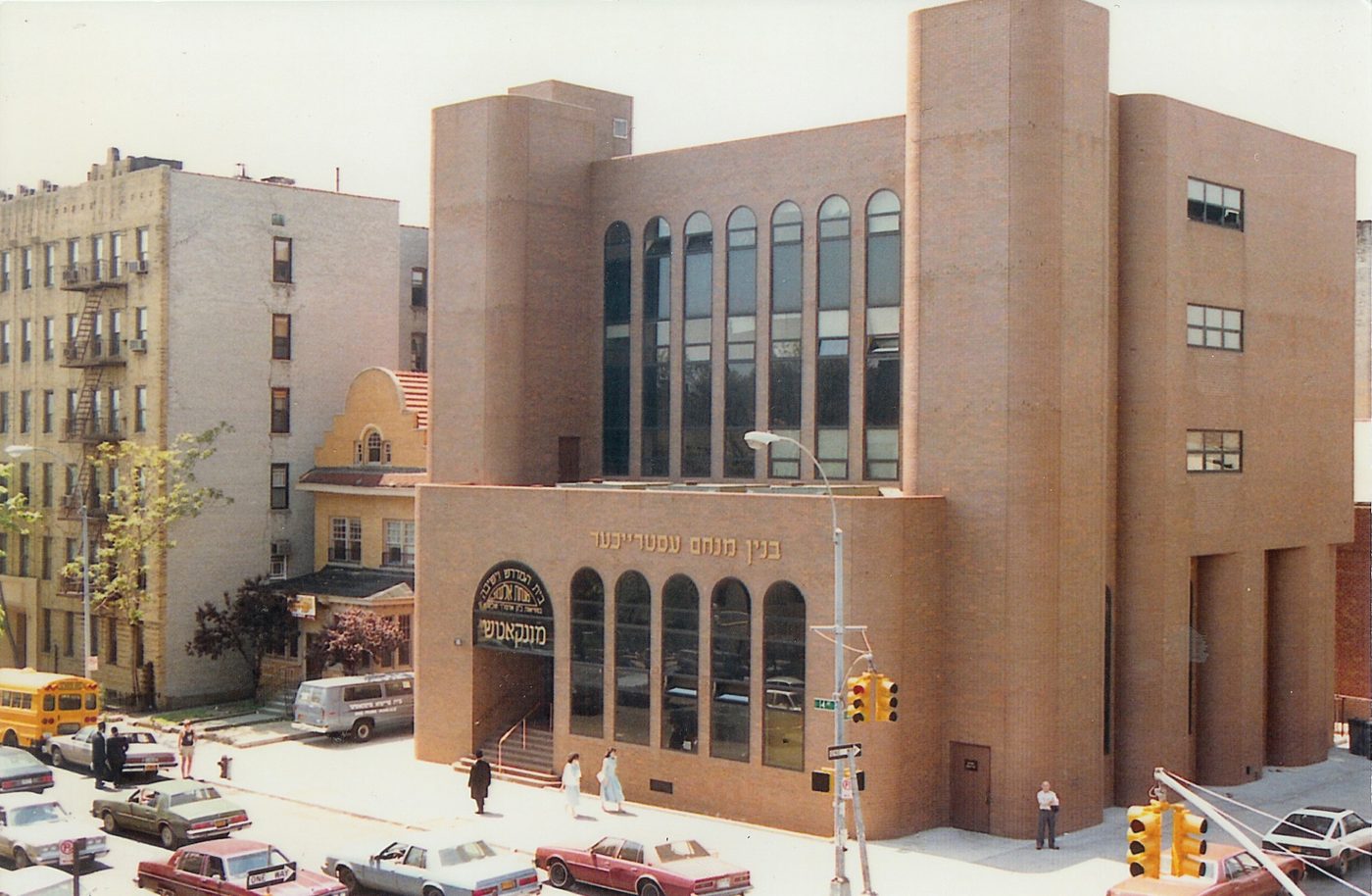
After the destruction of Polish Jewry, Ger rebuilt its centre in Israel. The postwar court in Jerusalem and Bnei Brak carried the old name forward into the new Jewish state, where it remains a major Hasidic presence.
Encyclopaedia Judaica; YIVOWhat remains
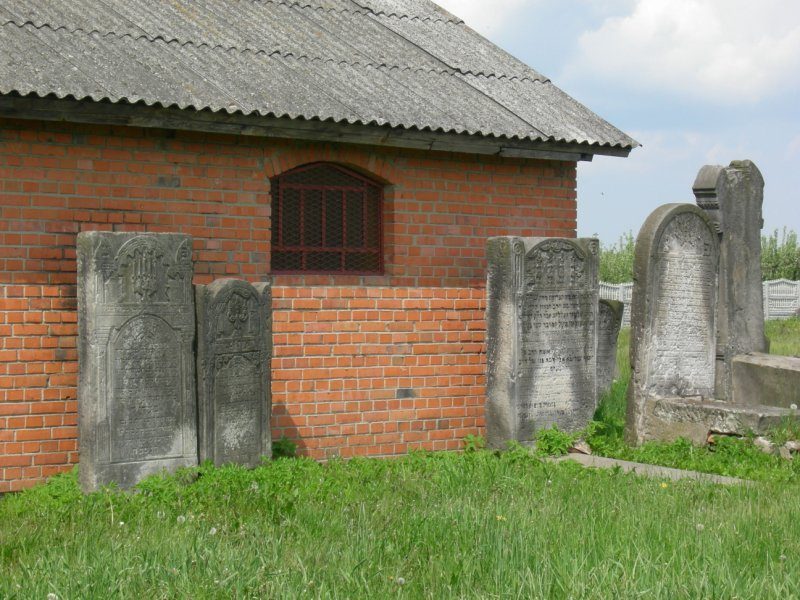
The old town no longer carries the whole weight of the story, but the name still does. That is enough to keep a place in the world.
On the atlas, Ger is a dot. In Jewish life, it is a court, a method, and a memory that learned to walk.