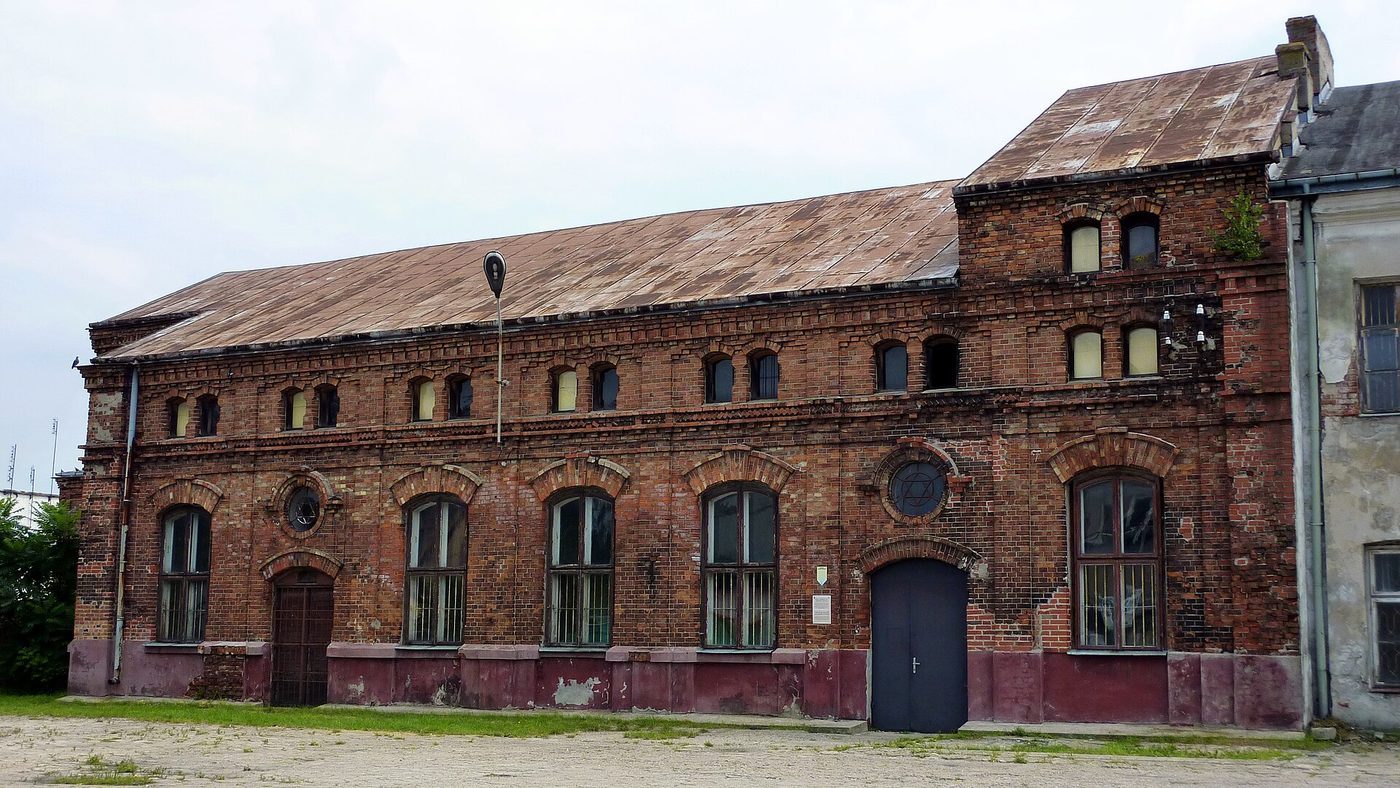
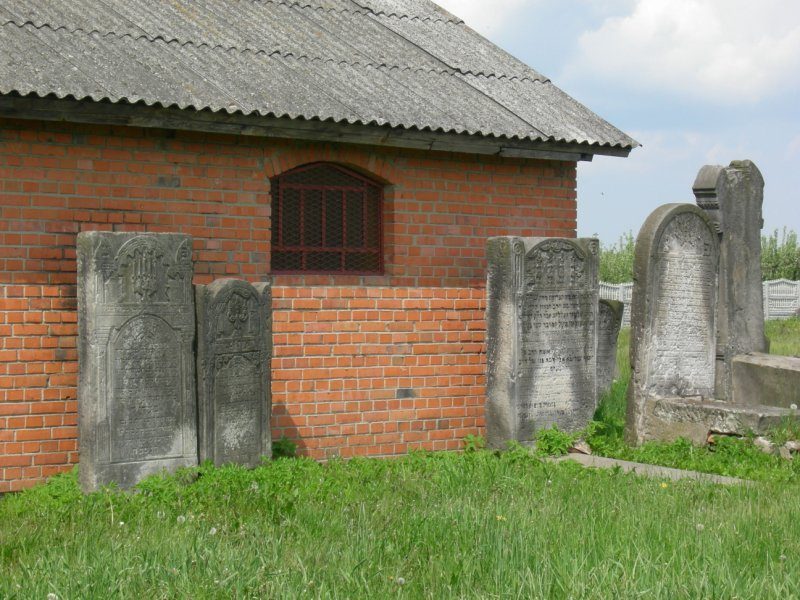
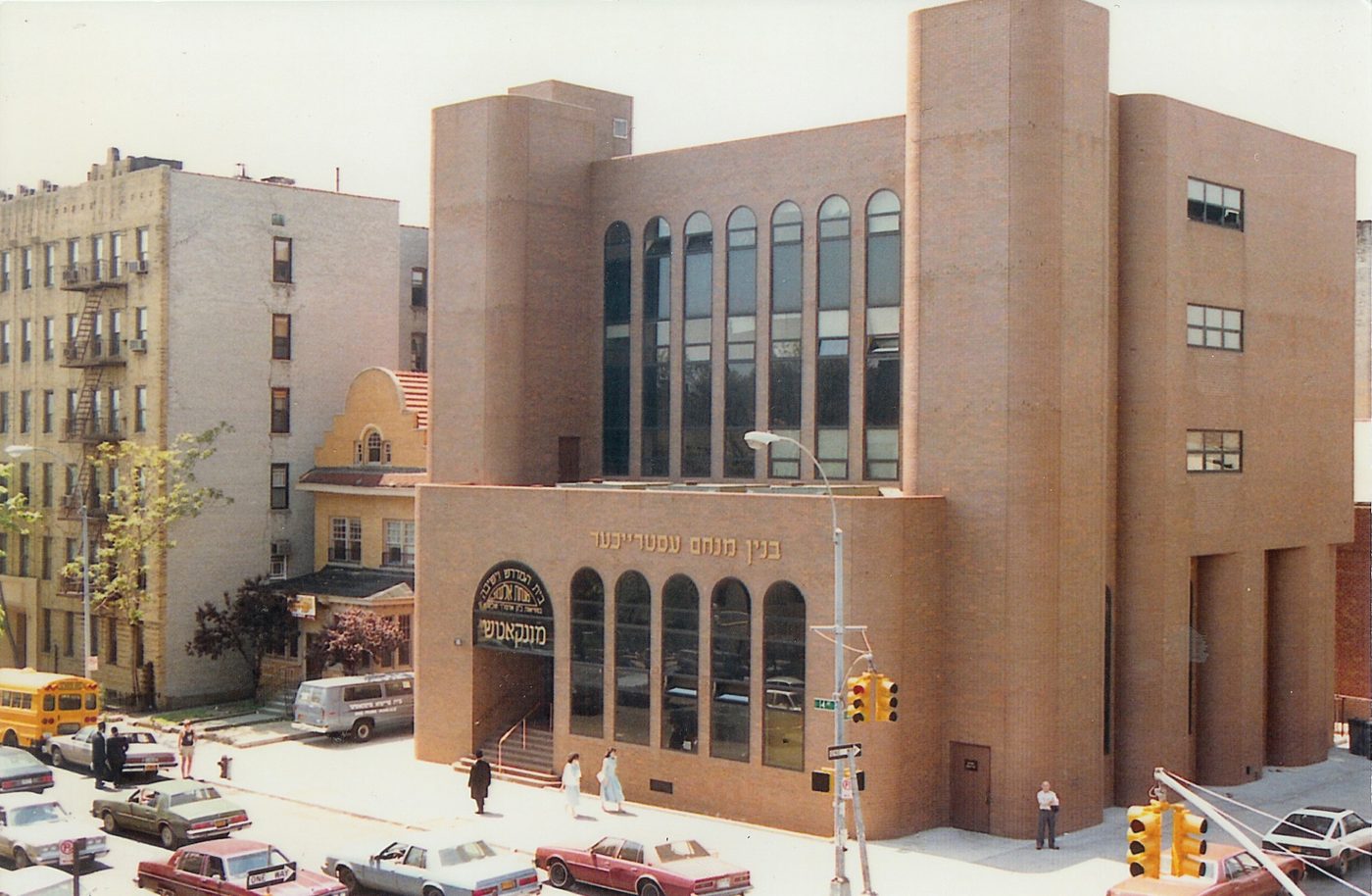
Karlin sits on the edge of Pinsk in the marshland world of the Pripet. The place matters because the Karlin-Stolin dynasty grew from it a prayer style that was clipped, intense and impossible to mistake for anything else. It was not polite synagogue decorum. It was force.
That force became a kind of spiritual signature. People remember Karlin for the volume, but the deeper story is the discipline beneath it: a local house of Hasidism that turned sound into form and kept moving outward.
A dynasty finds its edge
The Karlin-Stolin dynasty began with Rabbi Aaron ben Jacob of Karlin in the eighteenth century, one of the early Hasidic centres in Lithuania. It stayed close to the marshes and close to the people, and it built its authority as much through prayer as through lineage.
Asher of Stolin, who died in Karlin in 1826, belongs to that same story. His name keeps the place alive: Karlin as the site where a court did not merely teach but embodied a style. In Hasidic life, style is never just style.
Asher of Stolin dies in Karlin
Asher of Stolin, an important figure in the Karlin-Stolin lineage, died in Karlin in 1826. The date anchors the town in the dynastic record and shows how closely place and prayer remained joined in the house’s memory.
YIVO / National Library of IsraelFrom Pinsk to Tiberias
The dynasty did not remain local for long. By the nineteenth century, Karlin-Stolin Hasidim were part of the movement into the Land of Israel, where they took over and rebuilt synagogues in Tiberias and later established other houses in Jerusalem. The marshland court found a new coastline.
That migration matters because it shows how Karlin worked. It produced not only a neighbourhood but a mode of devotion that could travel. When the community moved, the prayer moved with it.
Karlin taught Hasidism how to sound like itself. The court turned volume into discipline.
Karlin-Stolin rebuilds in Tiberias
The dynasty took over and rebuilt a former synagogue site in Tiberias in 1869-1870, after the earlier building had been damaged in the Galilee earthquake. The rebuilt synagogue remains one of the dynasty’s clearest living links back to the old Karlin world.
Karlin-Stolin / Tiberias synagogueA voice that travelled
Karlin is not only a Belarusian town in old dynastic maps. It is a way of hearing. Anyone who has stood near Karlin-Stolin prayer understands the point: the court was never trying to be quiet about holiness.
The old edge of Pinsk still matters because the sound did not stay there. It crossed decades, borders and oceans and kept its nerve.