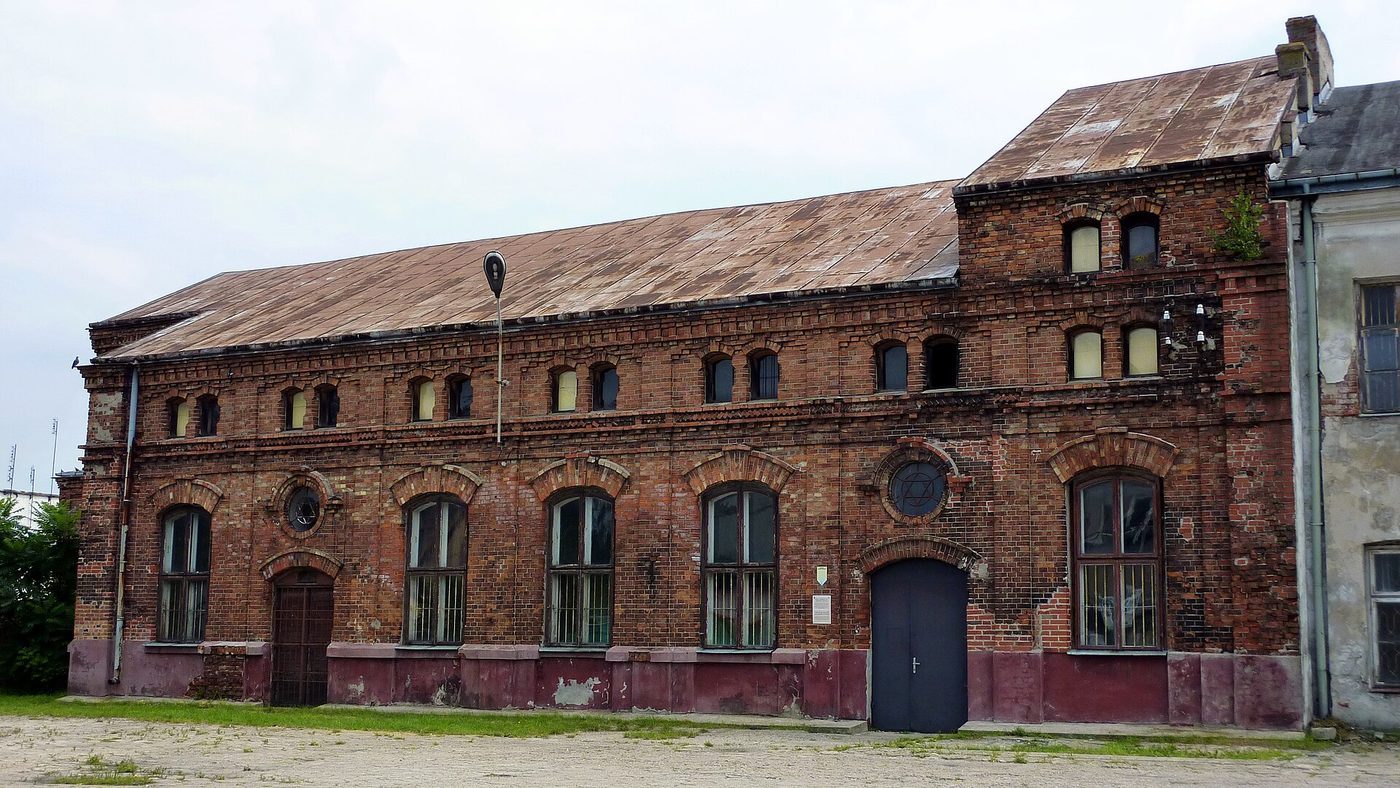
Mszczonow gave its Hebrew-Hasidic afterlife to the world as Amshinov. The town itself was small; the name became much larger.
That is the old East European trick: a local court becomes portable before the road closes behind it.
A local court with a long echo
The Amshinov dynasty formed in the later nineteenth century around the town’s Hasidic leadership. Its descendants and re-foundings kept the Mszczonow name visible even after the local Jewish world was shattered.
The court outlived the town by becoming a family register.
Amshinov emerges in Mszczonow
The Amshinov Hasidic dynasty took shape in Mszczonow in the late nineteenth century. Its court became one of the small-town Hasidic formations that later survived in exile and re-founding.
YIVO Encyclopedia; Hasidic historyAfter the town
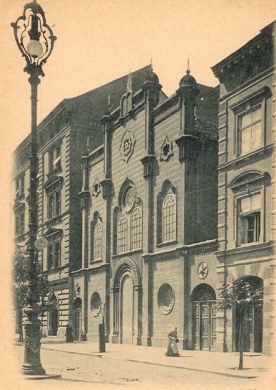
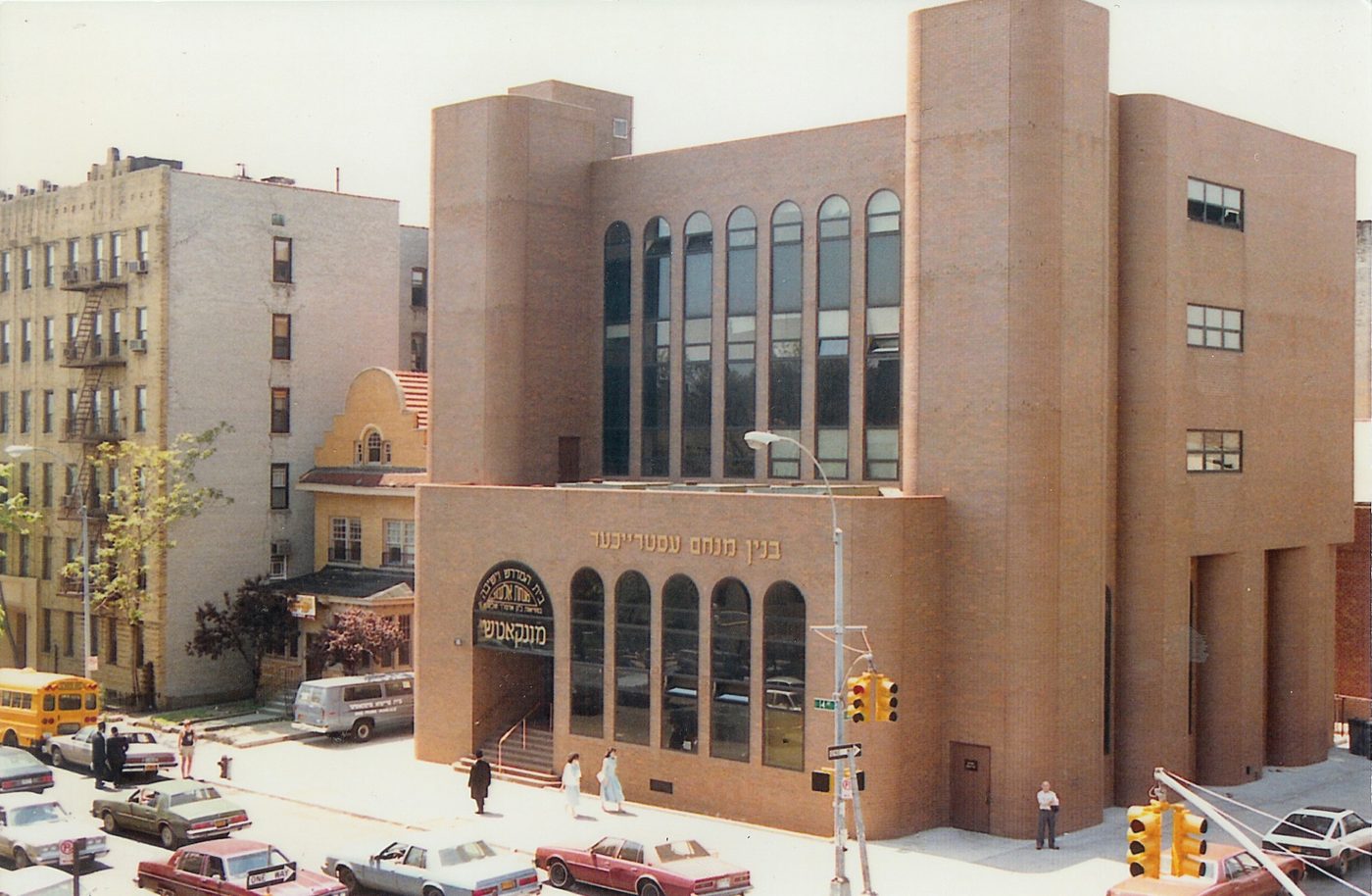
The war destroyed the Jewish community of Mszczonow, but the name lived on through descendants and Hasidic re-founding in Israel and the United States. That is how a place becomes a lineage.
The town is gone from daily Jewish life. The name is not.
The court grew from the Warka and Peshischa Hasidic traditions, and its rebbes carried that inheritance with them when they re-established the dynasty abroad.
Mszczonow is remembered because the name learned how to move.the name learned how to move
The local Jewish community is destroyed and the name survives elsewhere
The war erased the local Jewish population, but Amshinov survived as a Hasidic name through later re-foundings. The dynasty’s afterlife is a good example of how East European Jewish place names migrated into modern religious life.
YIVO; contemporary Hasidic sourcesA name with legs
Mszczonow proves that a town can remain present after it has ceased to be inhabited.
The map may be quiet. The name is not.