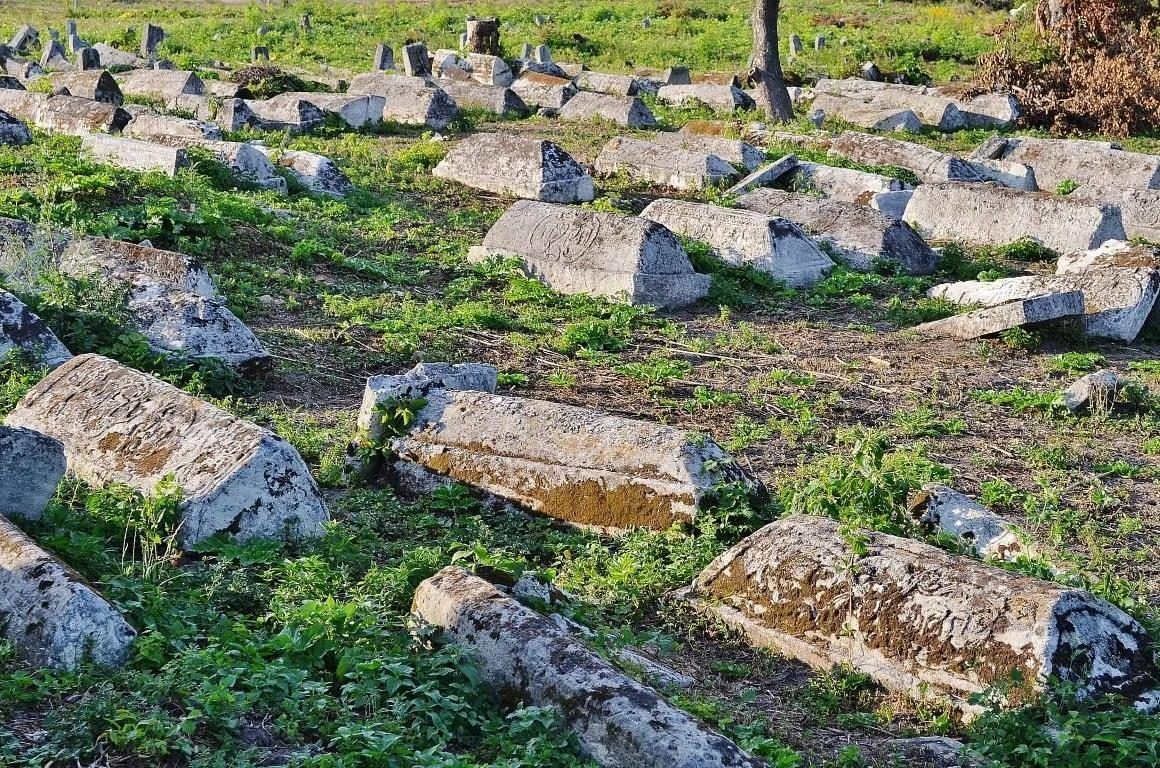
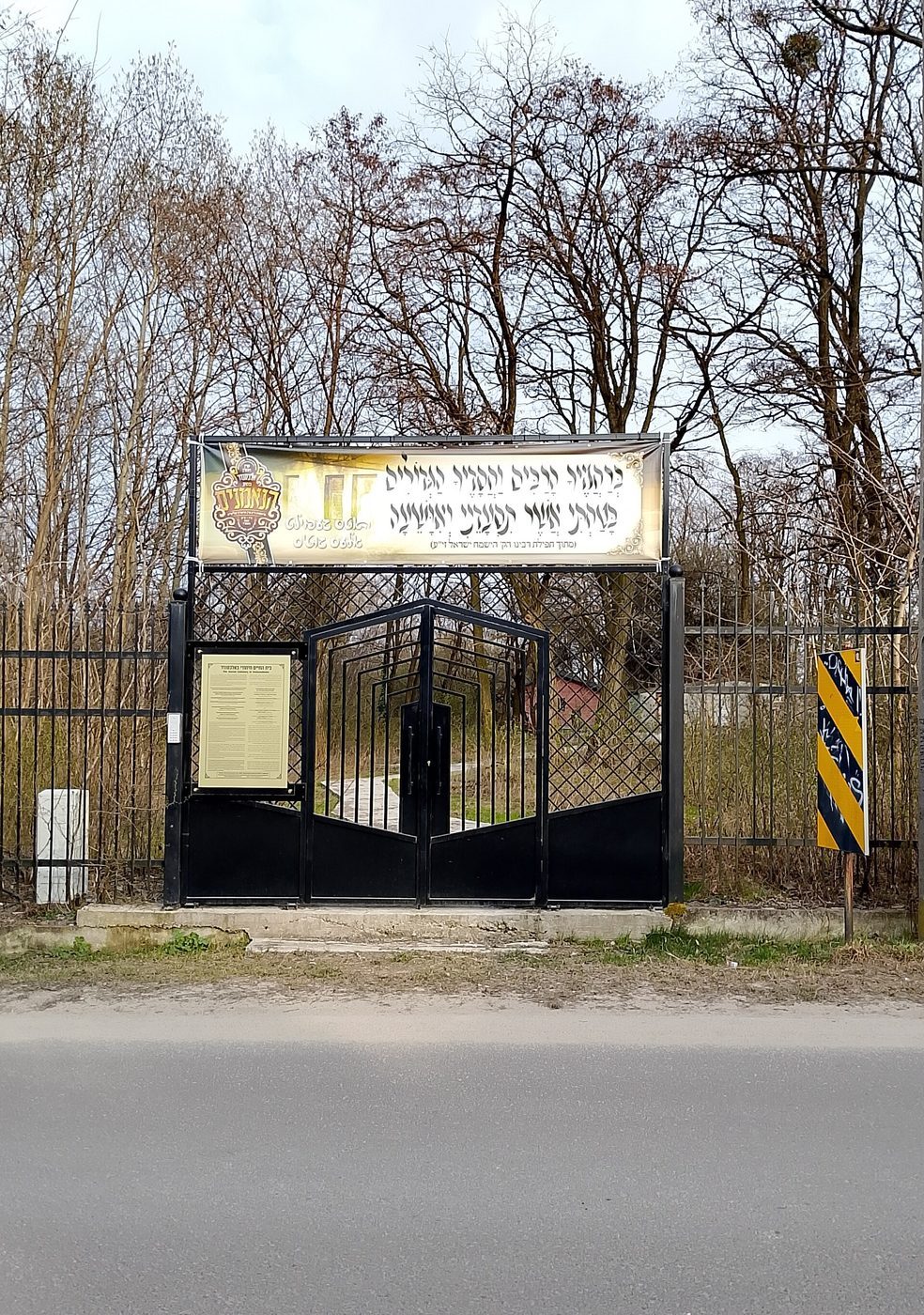
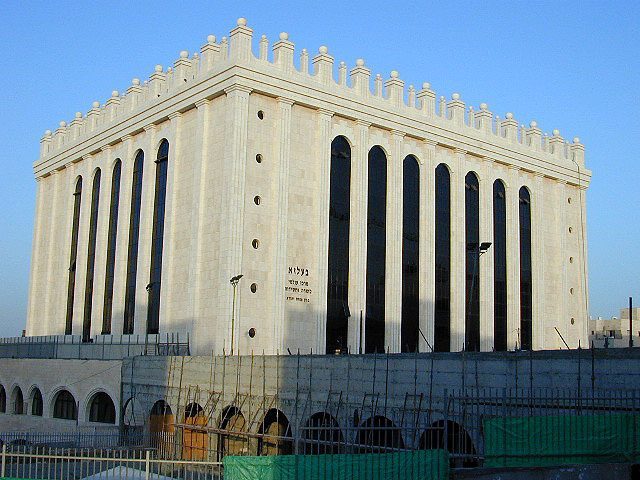
Mezeritch was not built to be the centre of anything grand. That is part of the charm, and part of the point. In the mid-18th century this Volhynian town became the place where the Baal Shem Tov's afterglow was gathered, taught and sent back out into Jewish life as a movement with a shape.
Dov Ber, the Maggid of Mezeritch, did not invent Hasidism from scratch. He gave it a room, a rhythm and a circle of disciples large enough to carry the teaching beyond one charismatic founder.
From spark to school
The Baal Shem Tov had already made joy and attachment to God feel live again. In Mezeritch that first spark became a school. Men who would later found their own courts came here to learn how a rebbe could teach through presence as much as through text.
The town mattered because it was ordinary enough to be usable. Pilgrimage without a palace. Authority without ceremony. A Hasidic centre, yes, but one made from conversation, meals, study and the patient repetition of a new way of standing before the world.
The Maggid gathers the first generation
After the Baal Shem Tov's death, Dov Ber of Mezeritch gathered the disciples who turned Hasidism into a transmissible movement. Later leaders, including major founders of dynasties across Volhynia and Galicia, passed through this circle. The town is not famous for a monument. Its monument is the fact that a movement learned how to reproduce itself here.
Encyclopaedia Britannica; YIVOWhat a court can do
Hasidism needed more than doctrine. It needed tempo. Mezeritch gave it that tempo. The town helped convert private devotion into social form - the rebbe, the gathering, the story, the table, the blessing that travels further than the man who first speaks it.
That is why Mezeritch sits at the beginning of so many Hasidic family trees. Not because every line leads back to a single building, but because the town taught a method of inheritance. You could leave with the teaching and keep moving.
The court outlives the town
Dov Ber died in Mezeritch in 1772, but the movement did not die with him. His students carried his lessons into courts and communities across eastern Europe. The historical record is plain: Mezeritch was the place where an idea became a geography.
Chabad Library; Jewish Virtual LibraryThe place behind the lineage
Mezeritch does not offer the thrill of an empire or the drama of a siege. It offers something quieter and, for a tribe, more useful: a place where a way of life learned how to travel. The town itself stayed small. The effect did not.
The best centres do not always look like centres. Sometimes they look like a town where disciples finish supper and keep talking.