Liverpool’s Jewish story begins in the port, which is the right place for it. Merchants, refugees and families made the city their own, and by the nineteenth century it had become the leading Jewish community in northern England. The docks did what docks do: they brought people in and kept them moving.
What stayed put were the institutions. Synagogues, schools, charities and the social rhythm of a Jewish city settled into Liverpool’s streets and suburbs.
From the 1750s onward
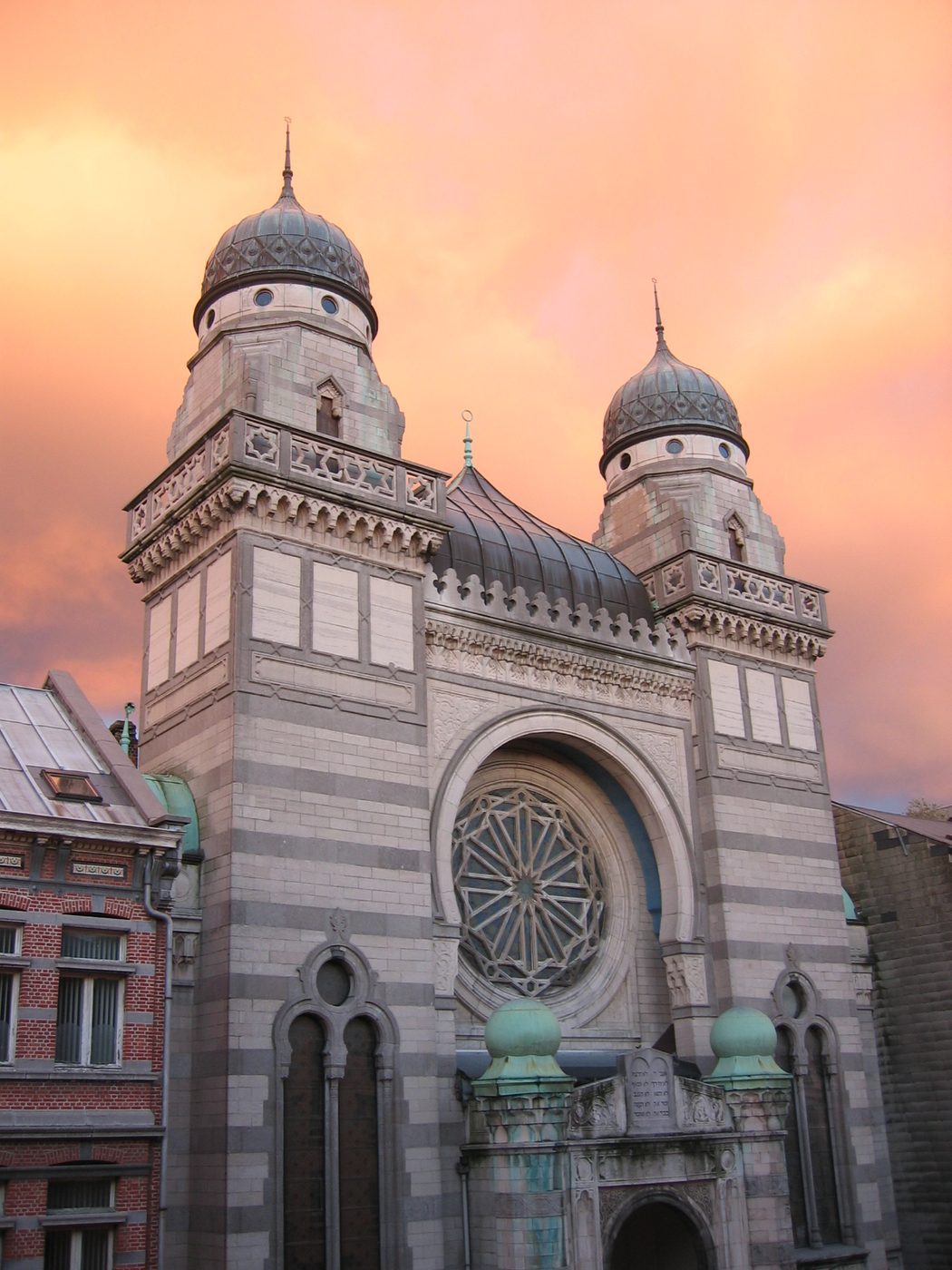
Records of Liverpool’s Jewish community go back to the 1750s. By the 1800s, the city had become the largest Jewish community in northern England. Princes Road Synagogue, consecrated in 1874, gave the city one of Britain’s grandest Moorish Revival houses of worship and a public sign that Jewish life belonged on the urban front line.
Later generations spread south and east across the city, but the basic fact did not change: Liverpool remained a place where Jews could make a serious civic home.
First records of the Liverpool community
Records of Liverpool’s Jewish community date to the 1750s, giving the port one of the earliest substantial Jewish presences outside London. That early date explains why the city’s later institutions feel cumulative rather than accidental.
Demographics of LiverpoolPrinces Road
Princes Road Synagogue remains the city’s signature building, a Moorish Revival statement of confidence in a port city that knew exactly how to stage itself. The building did not just serve worship. It announced that Liverpool’s Jews were here, visible and unembarrassed.
That confidence still reads. The city’s Jewish life today is smaller than it once was, but it remains institutionally serious and geographically distinct, with congregations across the south of the city.
Ports bring people in and keep them moving. Communities decide who gets to stay.
Princes Road Synagogue
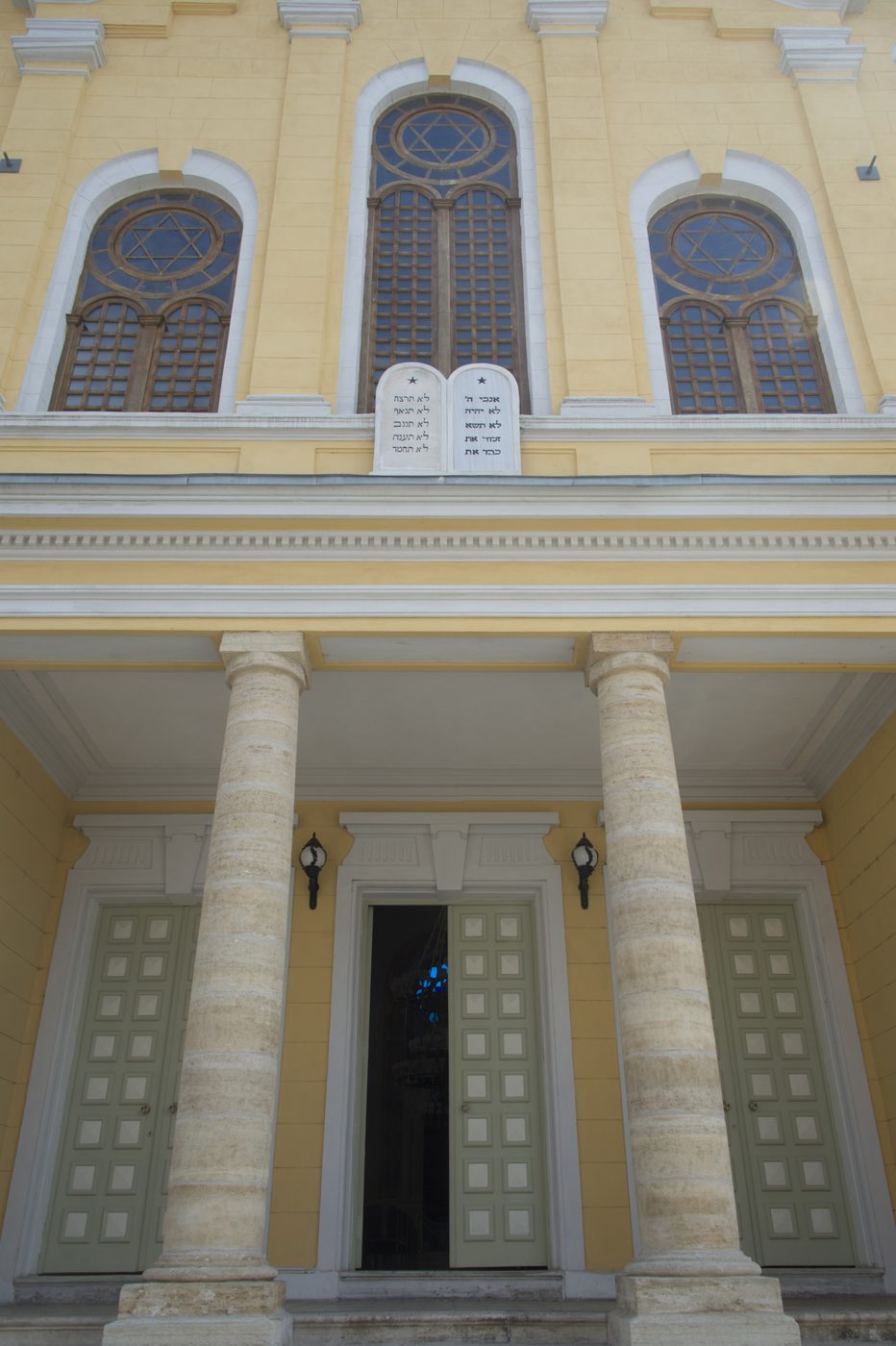
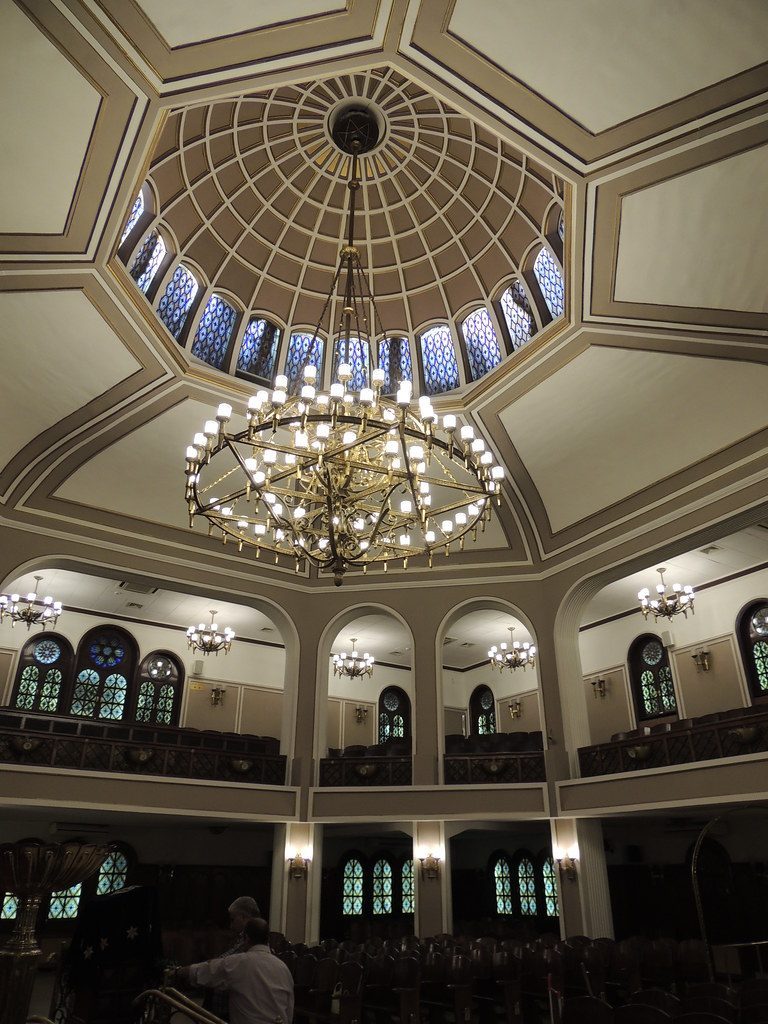
Princes Road Synagogue was completed in 1874 and remains one of Britain’s finest Moorish Revival synagogues. Its prominence tells the story of Liverpool at its Jewish peak.
Princes Road SynagogueWhat remains
Liverpool remains because it turned port-city motion into institutional staying power. The ships kept coming. The shul stayed. That is enough for the atlas.