Calgary is one of those Canadian cities where the Jewish story is built less around one old monument than around successive acts of institution-making. Schools, synagogues and federation life gave the city a durable communal centre on the prairie.
The result is a city that feels modern without being rootless.
Schools before sentiment
Jewish education helped define Calgary early. A Talmud Torah began in 1910, became a separate institution in 1913 and grew into a school system that could anchor families in the city.
That is the prairie version of permanence: not a stone memorial, but a schoolhouse with a timetable.
Jewish education finds its own room
In 1913, Calgary's Talmud Torah became a separate entity from the synagogue and marked the true opening of organised Jewish schooling in the city. That institutional split gave Calgary one of the clearest educational foundations on the Prairie. The city did not wait for a museum. It built a school.
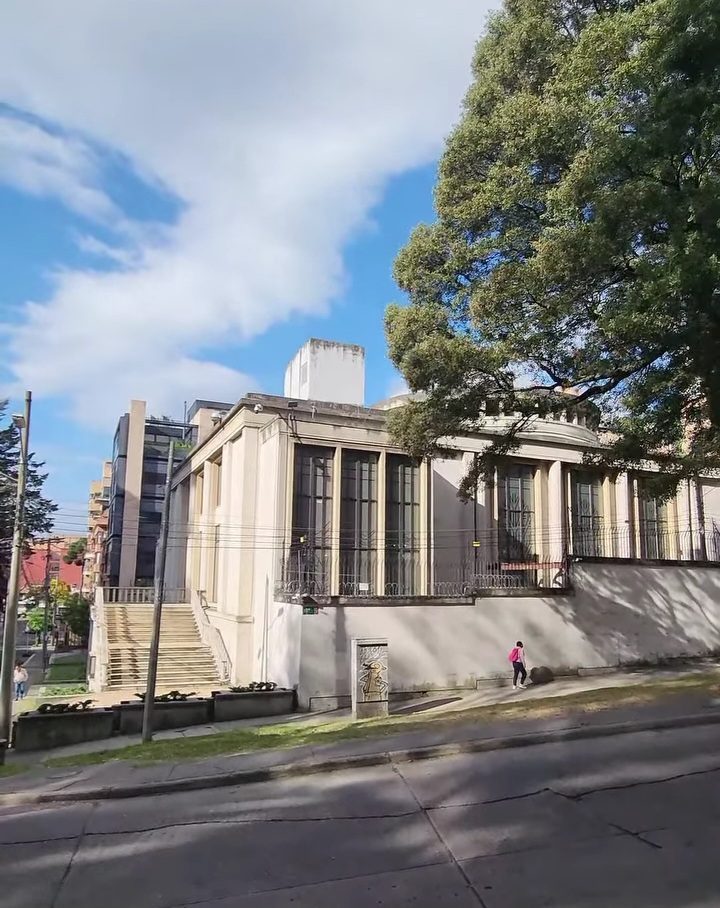
Calgary Jewish AcademyA community that keeps growing
Over the 20th century, Calgary's Jewish life expanded through synagogues, schools and later the Calgary Jewish Academy. By the time the city had its modern institutional shape, it was no longer a frontier outpost. It was a real communal address.
That is what the atlas wants to show: the prairie can hold a Jewish city just fine.
Old schools join into a modern one
The Calgary Jewish Academy was founded in 1987 through the amalgamation of earlier Jewish schools, bringing the city's educational history into one modern institution. The date captures the community's habit of building, merging and continuing rather than starting from scratch every generation.
Calgary Jewish AcademyA prairie address that lasts
Calgary matters because it proves that Jewish life can take root far from the old Atlantic circuits and still feel complete.
The city built a school first, and that was enough to start a world.