Bombay in the 19th century was a city that could smell money before it could pronounce a community. David Sassoon arrived from Baghdad in 1832 and turned that smell into a system: trade, family recruitment, finance, and philanthropy linked back to Jewish institutions across the port city.
What emerged was not a tiny migrant enclave but a Baghdadi commercial world with Bombay as its great Indian address.
A port and a ledger
Sassoon's house made cotton, opium and textiles move across the Indian Ocean. The family staffed branches with men recruited personally from Baghdad and used the profits to build synagogues, schools and hospitals. Bombay became the place where the ledger and the prayerbook sat on the same table.
By the late 19th century the city's Baghdadi Jews were connected to Calcutta, Pune, Rangoon and Shanghai. The community was proud of its commercial reach and careful about its communal separateness. That combination gave it a particular urban elegance.
A Sassoon foundation in the city
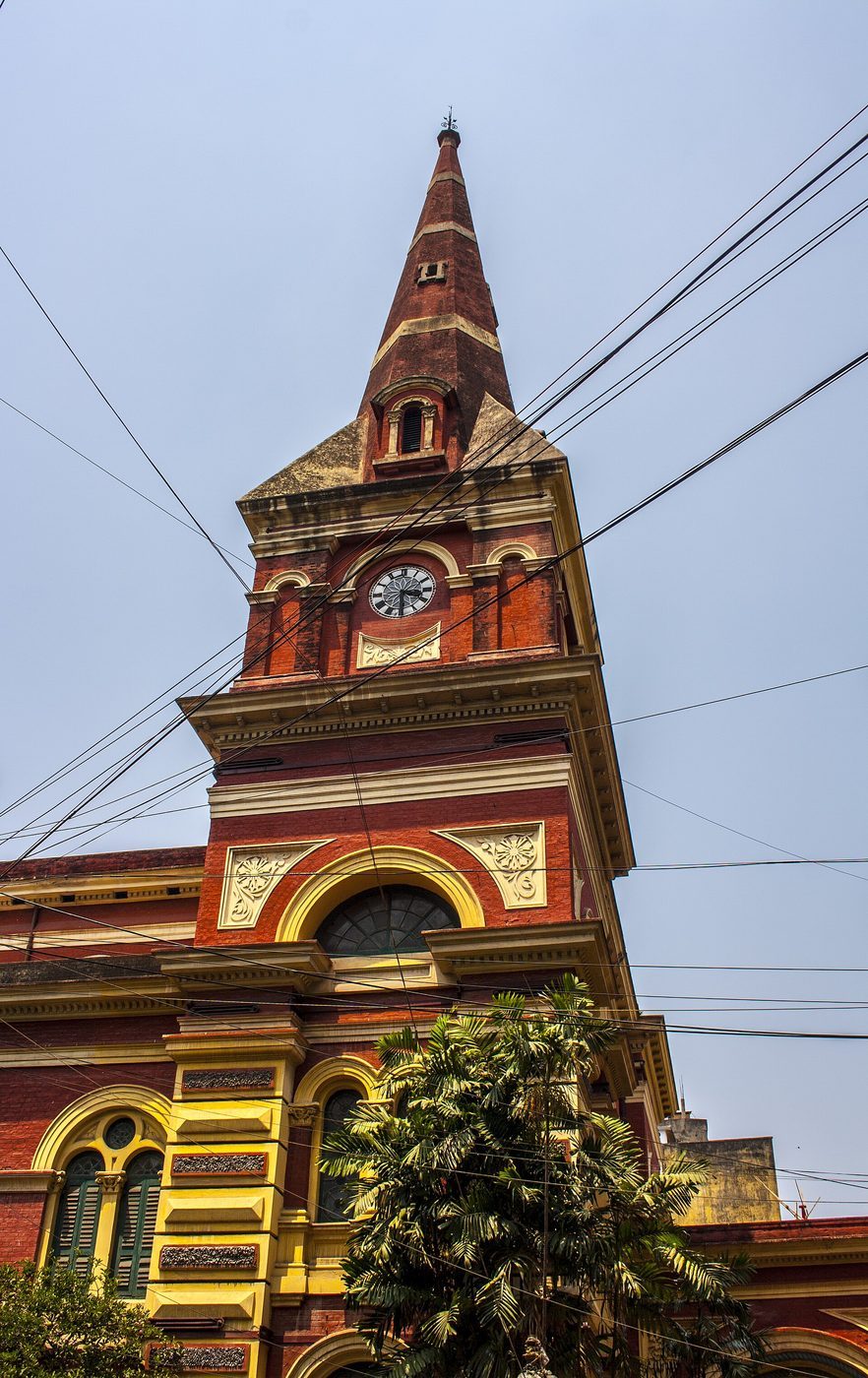
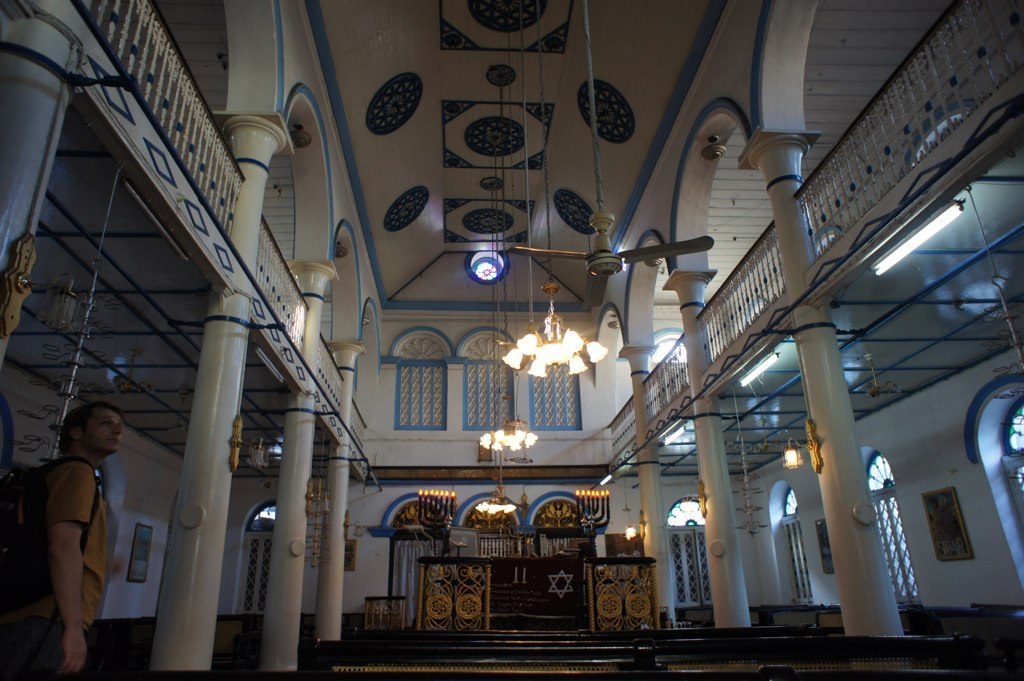
The Magen David Synagogue in Byculla, funded by the Sassoon family, opened in 1864 and remains one of the most visible signs of Bombay's Baghdadi past. It is a house of prayer and an argument in brick: the trade house did not just profit from the city, it built a place in it.
Magen David Synagogue, Mumbai; David Sassoon family recordsThe Asian network behind the door
The Bombay community never lived in isolation. Its men moved through Asia, carrying letters and capital. Its women, children and institutions gave the family network a local face. That is why Bombay matters in Jewish history: it shows how a minority could be both deeply rooted in one city and stretched across a whole imperial ocean.
The city also makes a useful correction to lazy assumptions about Indian Jewish life. Bombay was not only Bene Israel. It was also Baghdadi, Persianated, mercantile and global.
Philanthropy travels with the trade
The Ohel David synagogue in Pune, another Sassoon foundation, opened in 1867 and shows how Bombay's Jewish wealth radiated outward through western India. The family did not build only for itself. It built a communal geography. The merchants knew how to keep a city honest.
Ohel David, Pune; Sassoon family recordsMumbai after Bombay
Modern Mumbai has changed the city's name and its scale, but the Baghdadi trace still runs through the old synagogues and family stories. The community is smaller now. The buildings remain useful.
A port that once shipped cloth and opium still remembers who paid for the lamps.