Bitola - Monastir in the older name - became the largest Jewish city in Macedonia. Spanish exiles joined an older community, and Ladino became one of the city's main Jewish sounds.
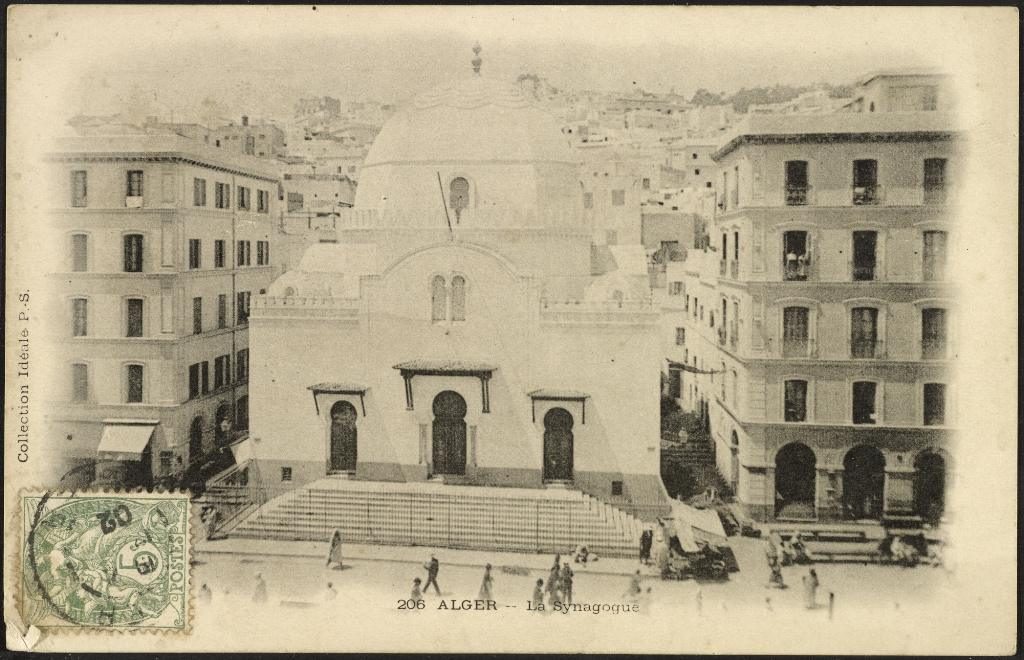
By the turn of the 20th century, the city was dense with wool merchants, artisans and the institutions that keep a community legible to itself.
A city of merchants and schools
The Monastir Jewish community was famously commercial and urban. Its merchants worked the wool trade and its families built a network that reached Vienna, Istanbul and the rest of the Ottoman Balkans.
The city is useful because it shows the Sephardi world as thoroughly Balkan - not a museum of Spanish exile, but a living part of Macedonian urban life.
A Jewish city of about ten thousand
By around 1900, Monastir had roughly ten thousand Jews and was widely described as the largest Jewish city in Macedonia. The scale matters. It means the city was not just home to a community. It was one of the places where Sephardi urban life was at full strength.
History of the Jews in MonastirThe end comes in one march
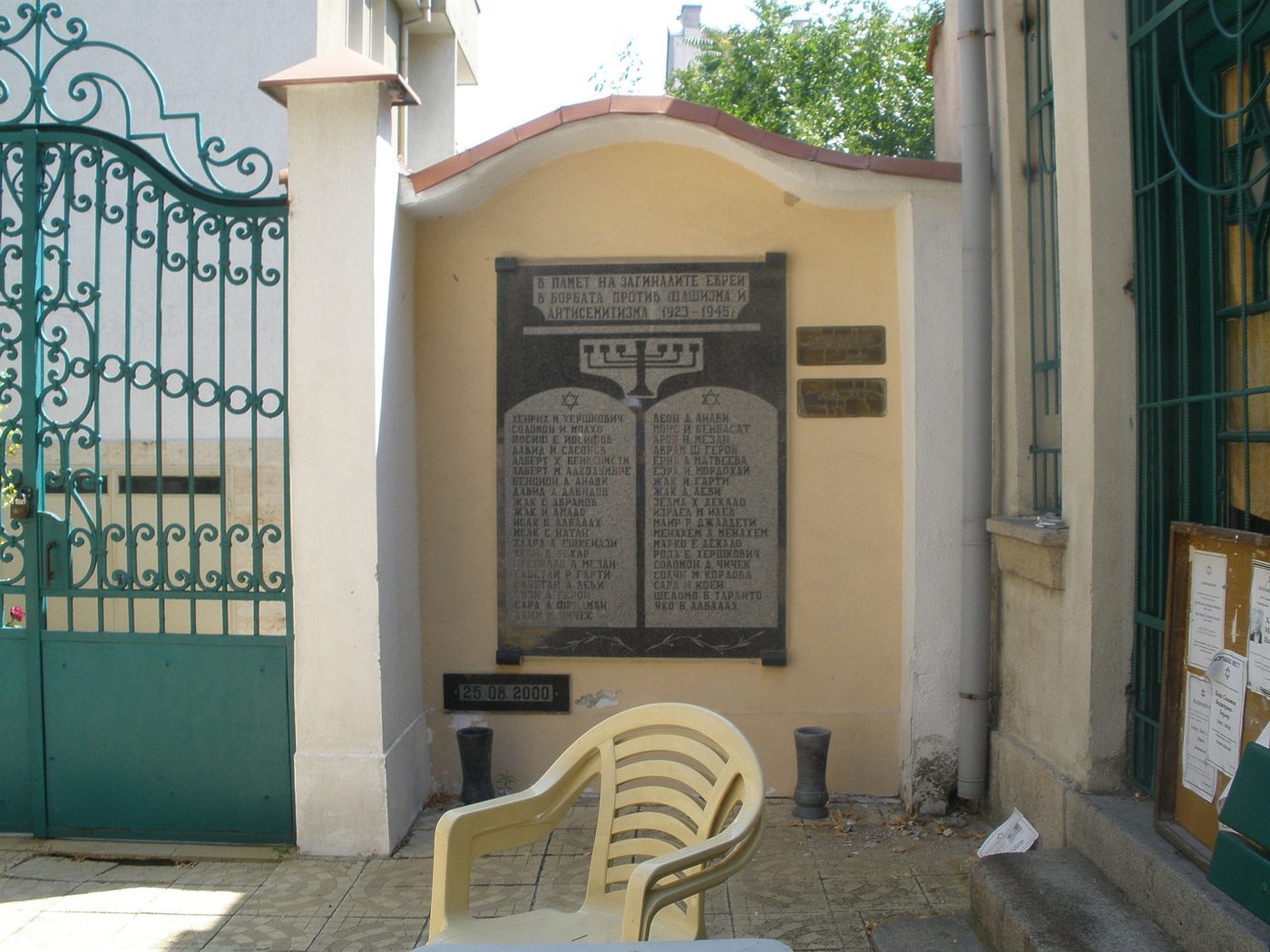
The community's ending was abrupt and brutal. In 1943, the vast majority of Monastir's Jews were deported to Treblinka. Survivors were few. Memory became the main residence.
Bitola therefore belongs in the atlas in two ways: as a city that once held a huge Jewish world, and as a place whose absence is still loudly present.
The community is destroyed
On 11 March 1943, Bulgarian occupation forces deported 3,276 Jews from Monastir to Treblinka. The number and the date are fixed in the record. They make clear how much life was extinguished in one action. Bitola remembers through the loss.
Yad Vashem; History of the Jews in MonastirA city that still answers to Monastir
Bitola is not a vanished name. Monastir is what many descendants still say when they mean the city and the people together.
That old name keeps the community from being reduced to a footnote.