Plovdiv is a city that refuses to choose between layers. Beneath the modern streets lies the trace of an ancient synagogue, and in the old Jewish quarter the Zion Synagogue still stands, a living reminder that Sephardic settlement in the 1490s did not erase what came before it. It simply built on top of it.
That is the city’s gift to the atlas: continuity without tidiness. A place where Roman, Ottoman and modern Jewish life all still leave fingerprints.
Ancient Philippopolis
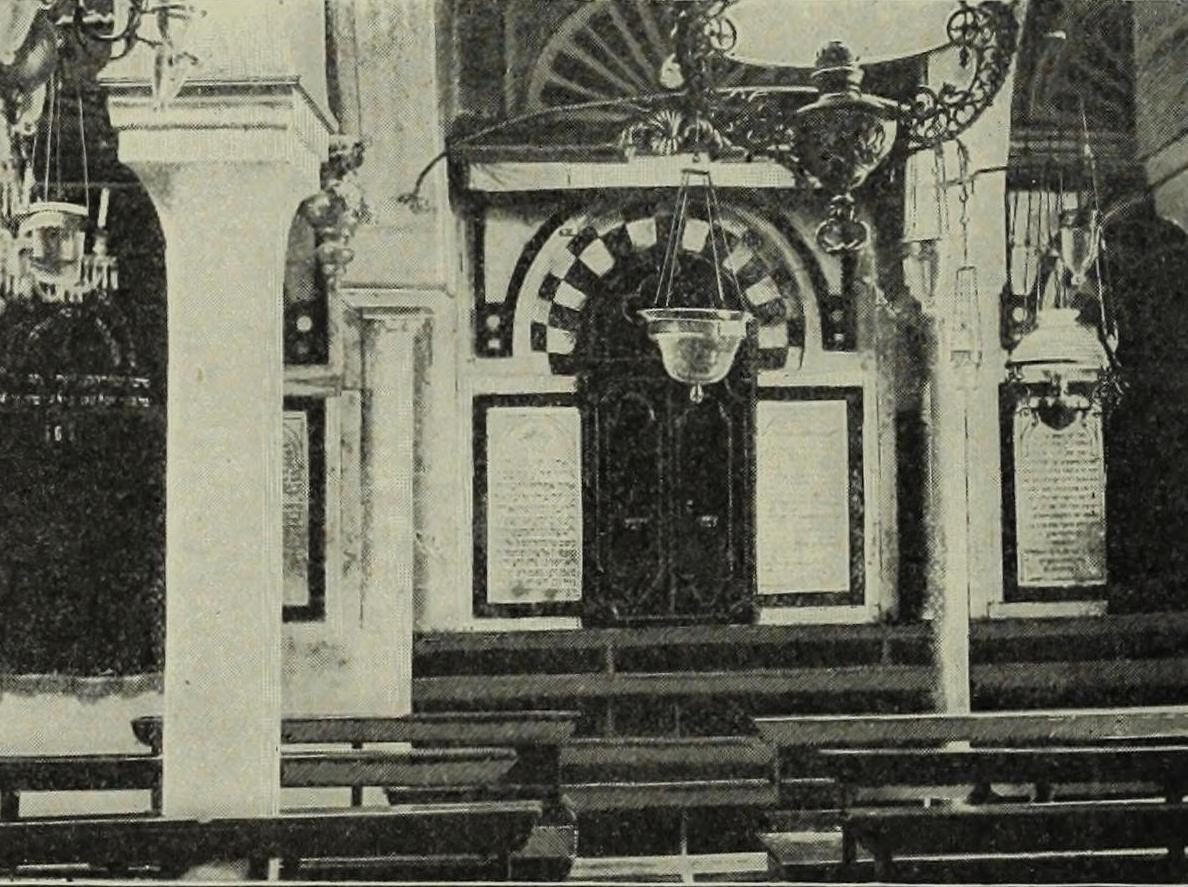
Archaeology points to a synagogue in ancient Philippopolis dating to the third century CE and later renovations into the fifth. That makes Plovdiv part of the late antique Jewish map of the Balkans, long before the Sephardic arrival made the city’s Jewish quarter more recognisable to later generations.
The older layer matters because it stops the city becoming a one-wave story. Plovdiv was Jewish before the Ottoman era and Jewish again after it. The city kept the memory in the ground.
Ancient synagogue of Philippopolis
Archaeological work in Plovdiv points to a synagogue built in the first half of the third century CE and renovated later in late antiquity. The site proves that Jewish communal life was already part of the city’s Roman-era fabric.
Synagogue of Philippopolis / Plovdiv SynagogueSephardic Plovdiv
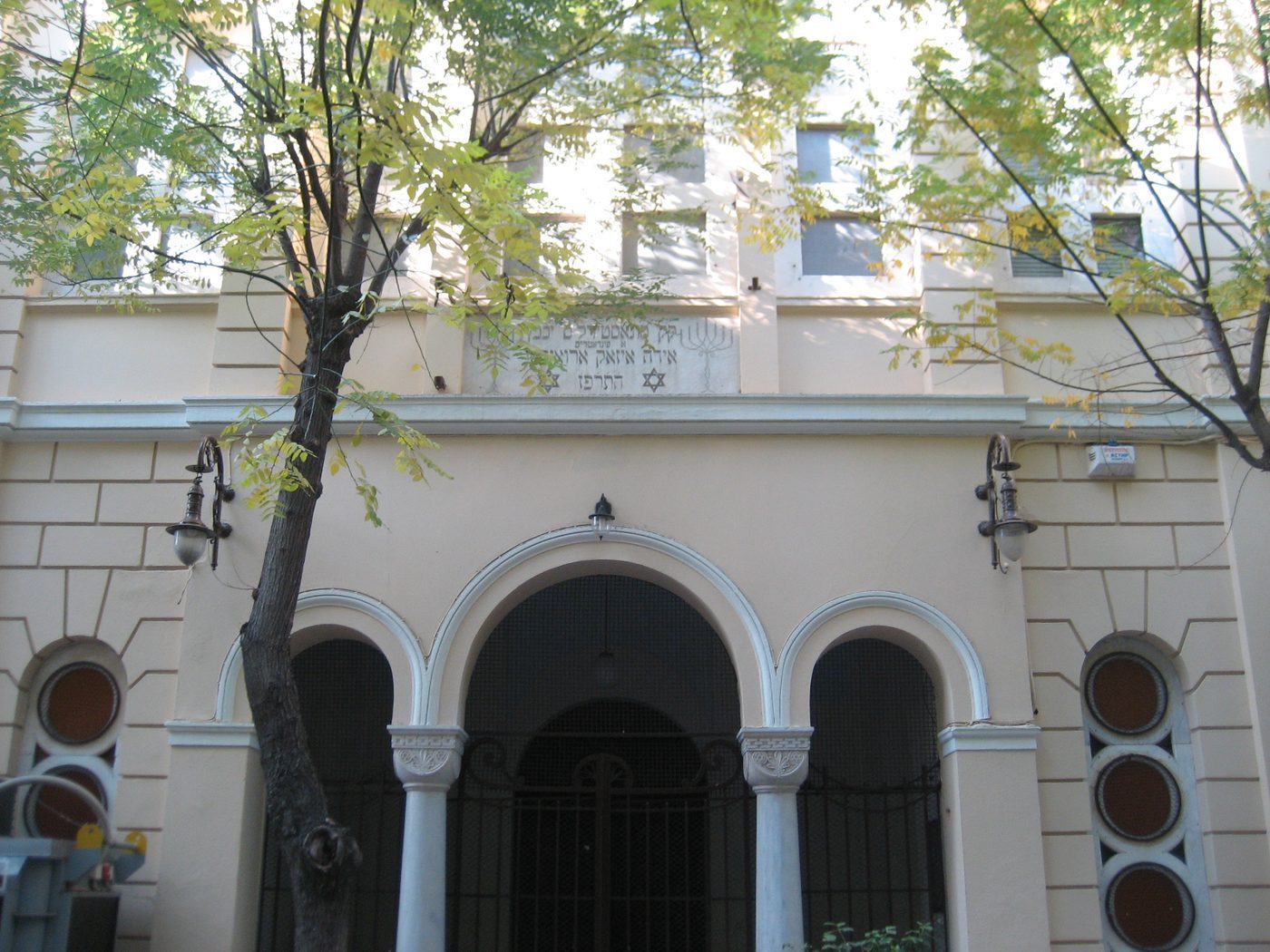
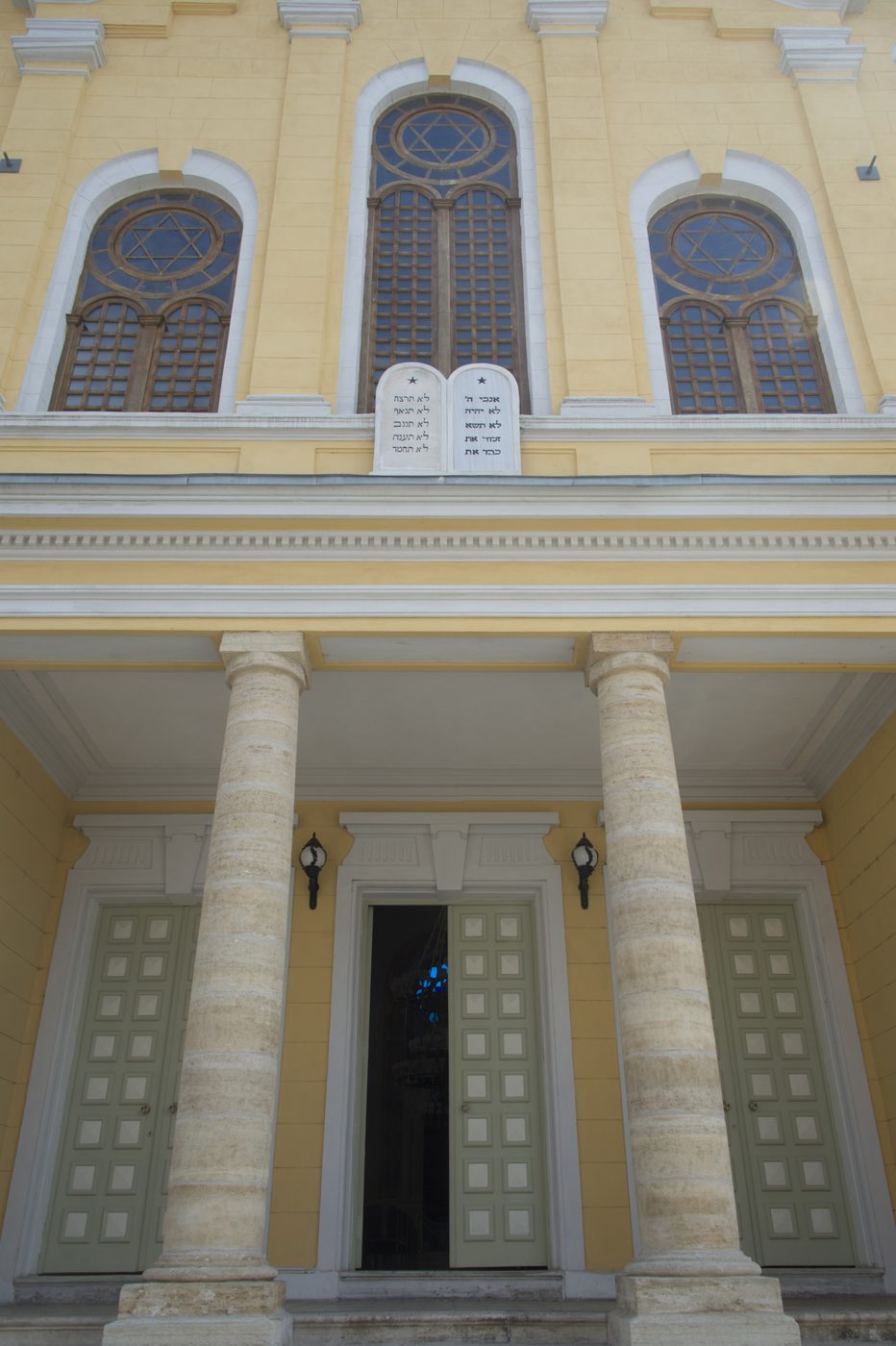
After 1492, Jews expelled from Spain settled in Plovdiv and helped build the Ottoman Jewish quarter. The Zion Synagogue, completed in 1892 and restored in 2003, remains one of the clearest surviving signs of that community. It is not a relic. It is a working house of prayer.
That mix of old floor and living sanctuary is rare and worth protecting. The city’s Jewish story is not over. It just has more than one beginning.
Plovdiv was Jewish before the Ottoman era and Jewish again after it. The city kept the memory in the ground.
Zion Synagogue
The Zion Synagogue in Plovdiv was completed in 1892 and restored in 2003. It remains one of the two active synagogues in Bulgaria and anchors the old Jewish quarter’s living memory.
Synagogue of Philippopolis / Plovdiv SynagogueWhat stays audible
Plovdiv matters because it lets the old and the living sit together without embarrassment. That is the right shape for an atlas entry: a city where the record is not just beneath the street but still at prayer on it.