Belgrade sits where the Sava runs into the Danube, which means it has spent most of recorded history being a border someone wanted. Romans, Byzantines, Serbs, Hungarians and Ottomans all held the fortress on the bluff in their turn. When the Ottomans took it for good in 1521, they brought into the city the people they had been gathering across the Balkans since 1492: Sephardim, the Jews expelled from Spain, looking for a roof. Below the citadel, by the rivers, they found one.
The quarter was Dorćol, and the lowest, riverside Jewish part of it was Jalija. The name Dorćol is itself a small history lesson, a Turkish phrase for a four-way crossing, the sort of word an Ottoman city leaves behind on its streets. Here the exiles rebuilt the thing they had carried out of Iberia in their mouths: Ladino, the Judeo-Spanish that turned a sixteenth-century Castilian into a Balkan Jewish tongue and kept it spoken on the Danube for four hundred years.
A yeshiva on the Danube
This was not a handful of pedlars. By the censuses of 1567 and 1573 the Ottoman authorities counted several Jewish congregations and three synagogues in the city, the signature of an organised community with its own institutions and quarrels. In the seventeenth century Belgrade acquired a yeshiva of real reputation, associated with Rabbi Yehuda Lerma and other scholars whose names travelled. They had a difficulty their learning could not solve at home: no Hebrew printing press. So their books were set abroad, in Venice and elsewhere, and carried back. The thought was Belgrade's. The type was somebody else's.
The river worked against permanence. Belgrade changed hands repeatedly in the Austro-Ottoman wars, and a frontier fortress is a dangerous address for anyone, Jews included. The community was scattered and rebuilt more than once, its Ladino accent surviving each turn of the siege. By the nineteenth century it had produced a figure who would matter far beyond the Danube.
Counted congregations, three synagogues
Ottoman census records for 1567 and 1573 register several Jewish congregations and three synagogues in Belgrade, evidence that within two generations of the 1521 conquest the Sephardic settlement was an organised, institutional community and not a passing trade colony.
Ottoman tax registers · Encyclopaedia JudaicaThat figure was Judah ben Solomon Hai Alkalai, born in Sarajevo in 1798 and posted as a young rabbi to nearby Zemun, across the river from Belgrade. Teaching Hebrew to congregants whose mother tongue was Ladino, he came to an idea ahead of its time: that the redemption the prayers asked for required an actual, physical return to the Land of Israel, organised by human hands. He wrote it up, in Ladino and Hebrew, decades before Herzl was born. Belgrade's riverside Sepharad produced one of the grandfathers of modern Zionism, and he died in Jerusalem in 1878, having gone himself.
A frontier fortress keeps changing hands. The language in the houses below it changed hands far more slowly.
From twelve thousand to "Judenfrei"
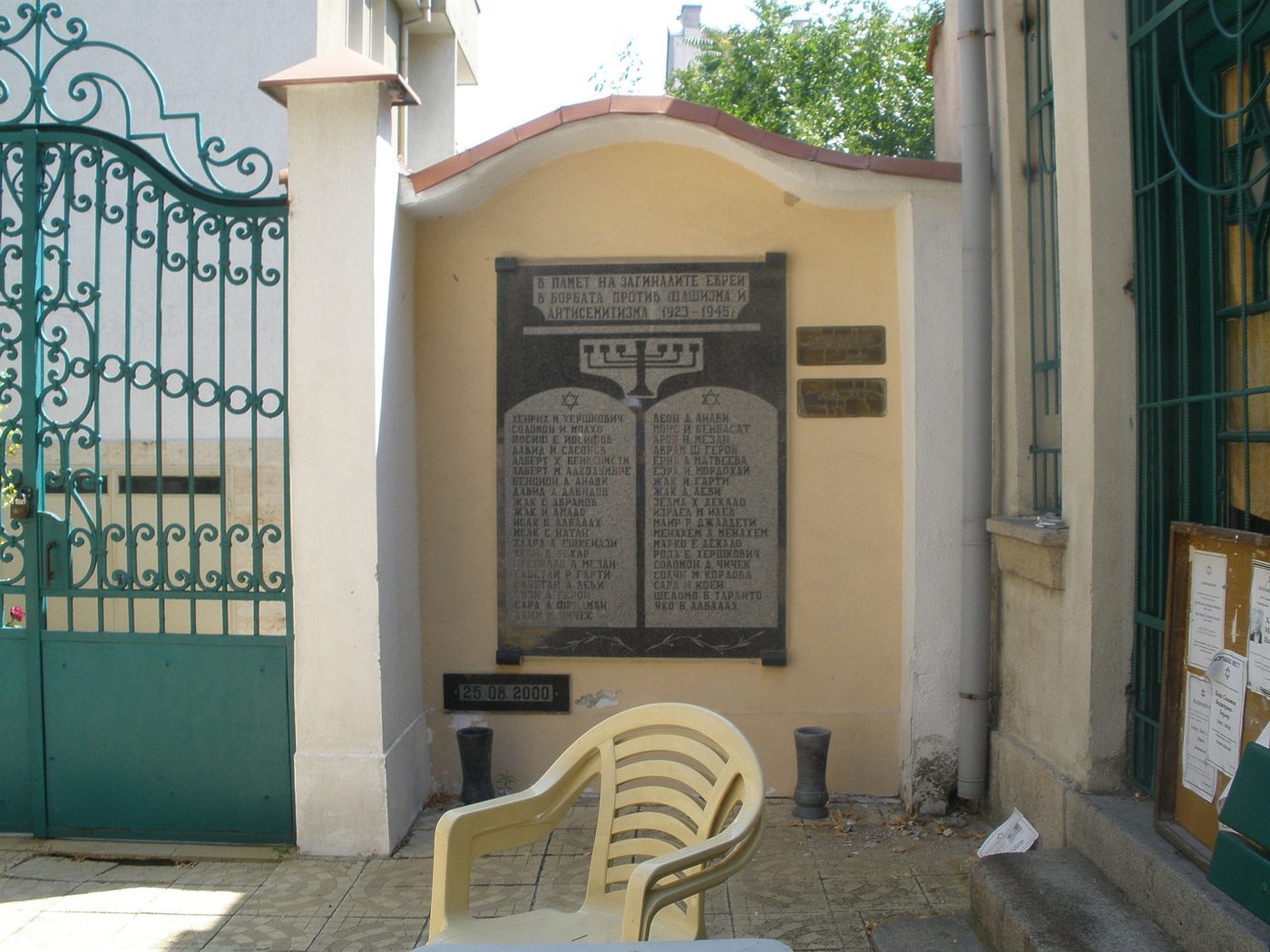
On the eve of the German invasion in April 1941, Belgrade held a Jewish community of roughly twelve thousand. Under the occupation it was destroyed: by May 1942 the German authorities declared the city "free of Jews", and over ninety per cent of Belgrade's Jews were murdered. The old riverside quarter did not survive the war as a living Jewish place.
Yad Vashem · United States Holocaust Memorial MuseumWhat the river kept
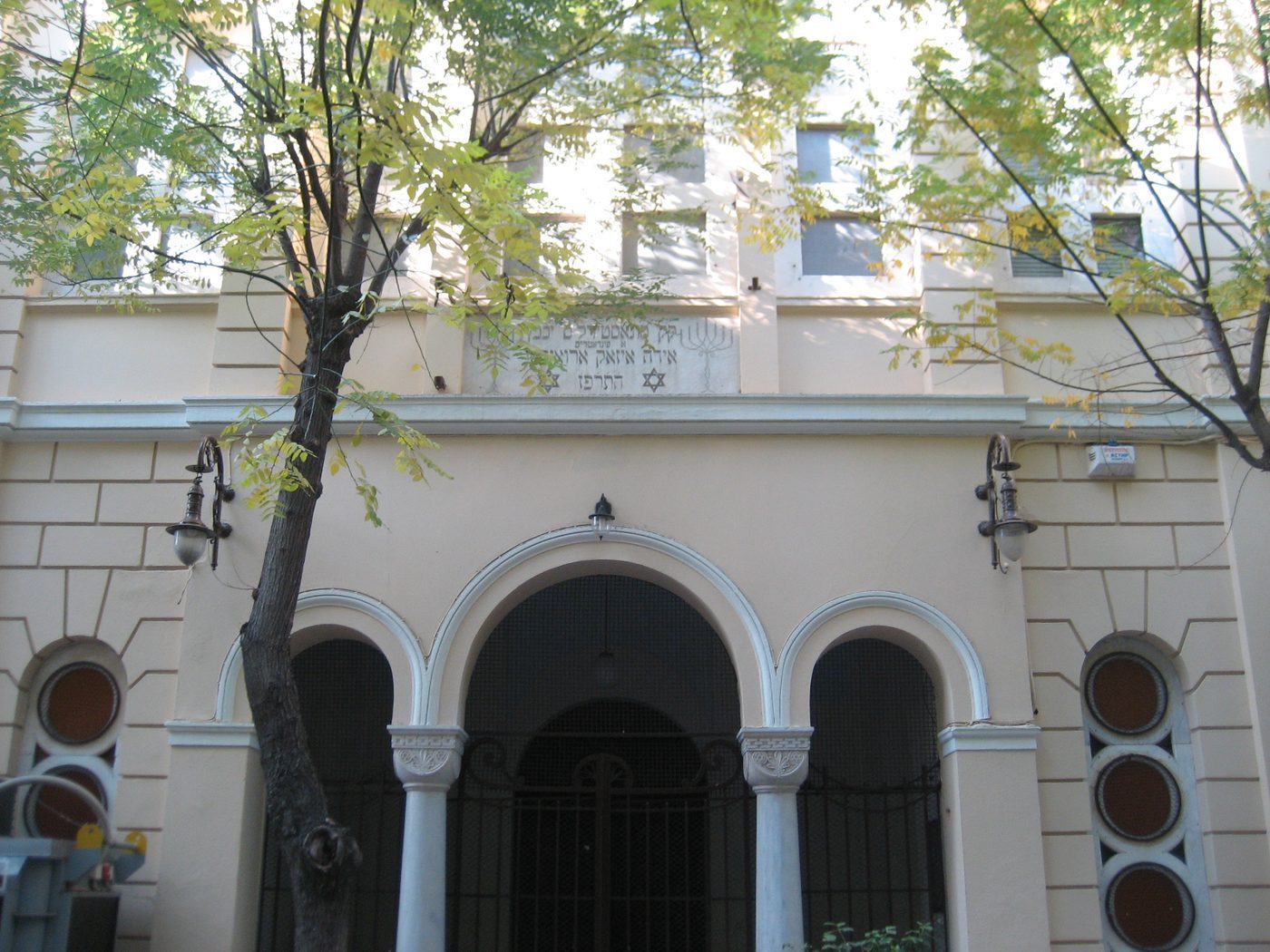
Restraint is owed here, and so is pride. The murder of nine in ten of Belgrade's Jews is the plainest fact in the story and it does not get softened. But the chapter is longer than its ending. For four centuries a Spanish-rooted, Ladino-speaking community held a quarter on the Danube, ran a yeshiva known across Europe, and sent a proto-Zionist to Jerusalem before the word existed. A small community endured the post-war years and persists in the city today, and the Sukkat Shalom synagogue still opens its doors. The crossroads kept its name, and a remnant kept the calendar.
Further reading
Story & Stone · Atlas Places Nº 17
Next on the shelf: Zakho: The Jerusalem of Kurdistan →