Tustar is a small town in Khuzestan, on the Karun river in the southwest corner of Iran, and the Arabs called it Tustar where the Persians said Shushtar. Towns of that size do not usually leave a mark on Jewish history. This one did, because of a single family who started as provincial merchants and ended up running the treasury of a caliphate. If you want proof that the diaspora kept its talent in the provinces and not only in the capitals, you start here.
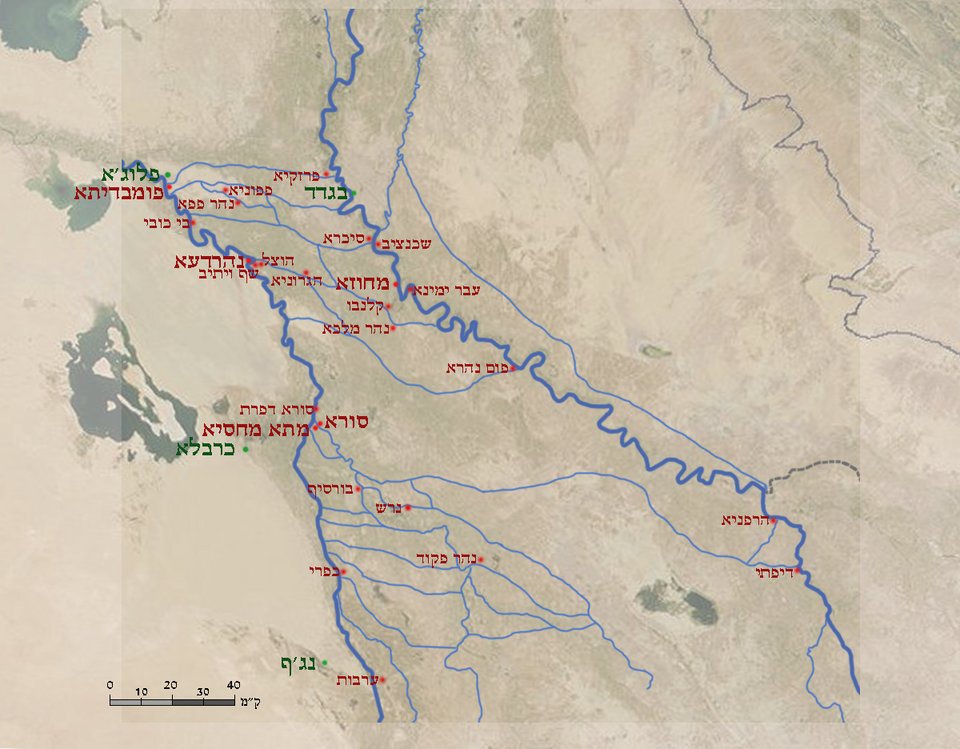
The Khuzestan Jews were never a peripheral footnote to Babylonia. They were part of the same world: they paid attention to the academies of Sura and Pumbedita, they wrote to the geonim and got answers, and they sat on the trade roads between Iraq, Persia and the Gulf. Tustar was a node on that web. What made it remarkable was that the web could, on occasion, pull a family from a riverside town all the way to the court at Cairo.
The family that left and kept the name
The Tustaris were a wealthy Karaite Jewish family from Shushtar. Around 1020 they moved to Cairo, and there they rose. Abu Sa'd al-Tustari, known in Hebrew sources as Abraham ben Yashar, dealt in jewels and precious objects and became a courtier of the Fatimid sultans; his brother Abu Nasr, the Hesed of the Hebrew records, was a banker. For a generation they stood close to the centre of Fatimid power, financiers and diplomats to a dynasty that ruled from Egypt to the edge of Arabia.
This is the kind of fact that gets lost when Jewish history is told only through its great cities. A Karaite family from a Khuzestan river town became one of the most powerful Jewish households of the eleventh-century Islamic world. They did not stop being Tustaris when they reached Cairo. They carried the town in their name, the way Jews have always carried places they left in prayer books, accents and surnames.
The Tustaris in Cairo
Abu Sa'd al-Tustari (Abraham ben Yashar in Hebrew sources) and his brother Abu Nasr Fadl (Hesed) belonged to a Karaite Jewish family that originated in Tustar and moved to Cairo around 1020. Abu Sa'd became a dealer in jewels and a financier at the Fatimid court, where he was a figure of real influence until his death in 1048. The family's standing is documented in both Arabic chronicles and the Cairo Geniza.
Encyclopaedia.com: Abu Sa'd al-TustariA Karaite town in a Rabbanite world
The Tustaris were Karaites, which matters. Karaite Jews accept the written Torah but reject the rabbinic oral law that the academies of Babylonia spent centuries building. That a Karaite family rose so high is a reminder that Jewish Khuzestan held more than one kind of Jew, and that the divisions inside the community were real without making anyone less a part of it. Karaite and Rabbanite Jews argued, intermarried at times, lived in the same towns and competed for the same favour at court.
Tustar sat where Persia met the Mesopotamian plain, and its Jews lived on the routes that carried books, silk, jewels and letters between Baghdad, Isfahan and the Gulf. The town was modest. The reach of the people who came out of it was not. That gap, between the size of the place and the size of the lives, is the whole point of paying attention to it.
A river town in Khuzestan most of their neighbours could not place on a map. And from it, financiers to a caliphate.
The town on the Karun
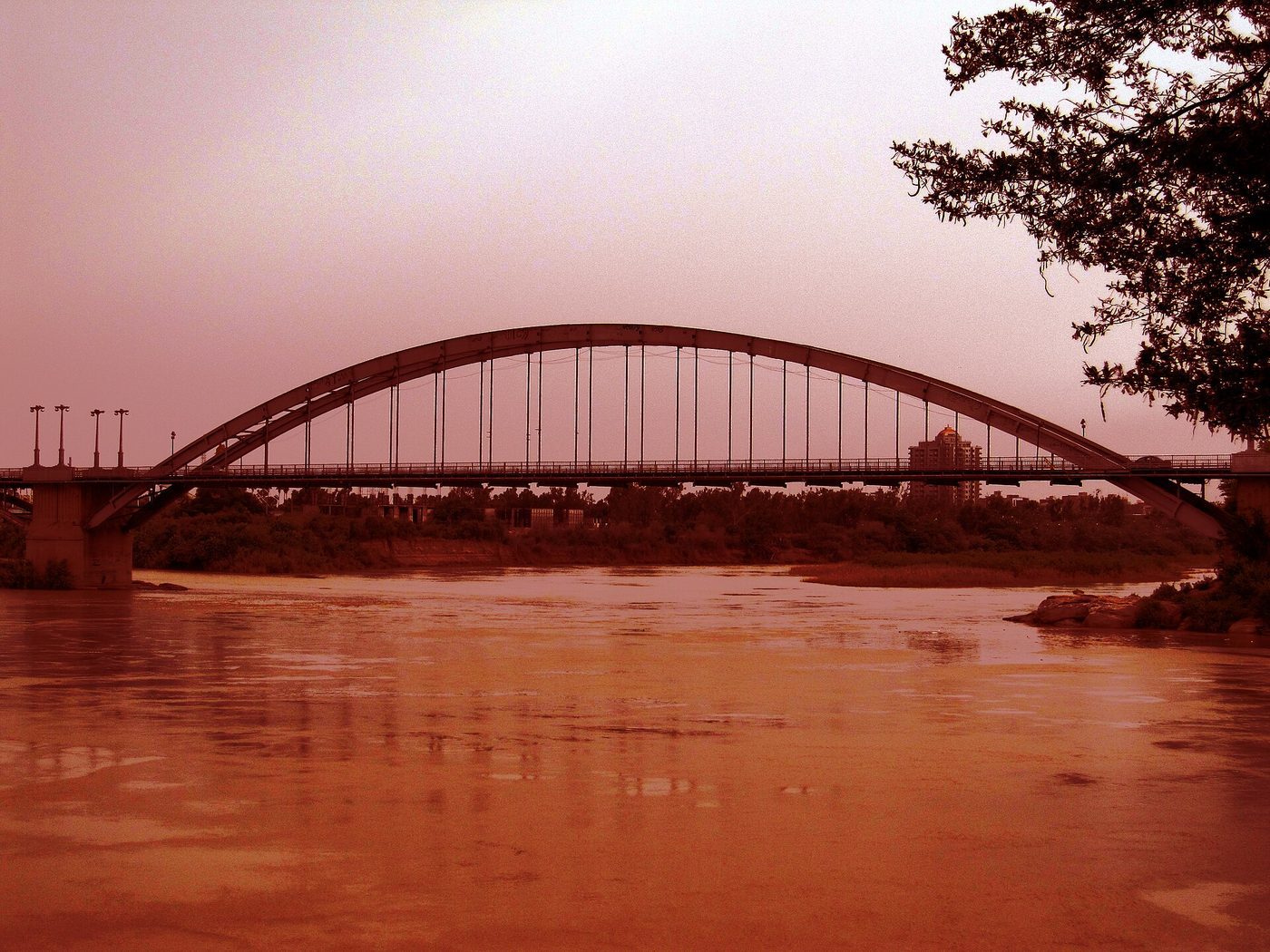
Shushtar stands on the Karun in Khuzestan, ringed by the ancient hydraulic works that UNESCO inscribed as a World Heritage Site in 2009. From late antiquity it lay inside the wider Babylonian Jewish sphere, close enough to the academies of lower Mesopotamia to belong to their world while keeping its own Persian setting on the river roads east of Baghdad.
Encyclopaedia.com: ShushtarWhat the name still does
The Jewish community of Shushtar dwindled across the modern centuries, as so many of the smaller Iranian communities did, drawn toward Tehran and then toward Israel. What survives is the name itself, fixed in the Hebrew and Arabic records of a family who never stopped being from there. Tustar is remembered not for what stayed but for what it produced and sent out.
That is the diaspora's quiet specialty: a place too small for the headlines turns out to have seeded one of the great Jewish households of its age. The capitals get the chapters. The river towns get the surnames.
Further reading