Two men climb out of Jerusalem before sunset and position themselves on the higher ground to the west. They are not astronomers. They carry no instruments. What they carry is a job: watch the gap between the old light and the new, and if a crescent appears - thin as a fingernail paring, low above the horizon, gone in minutes - run back down and say so. The Sanhedrin is waiting. The month cannot begin until they arrive.
This was how Jewish time worked for centuries. Not by calculation, not by a chart drawn up in advance, but by testimony. Rosh Chodesh - the head of the month, the new moon - was a legal fact declared by a court after witnesses were questioned under oath. The calendar was an act of law performed by human beings every thirty days. The sky set the conditions. People made the ruling.
The record
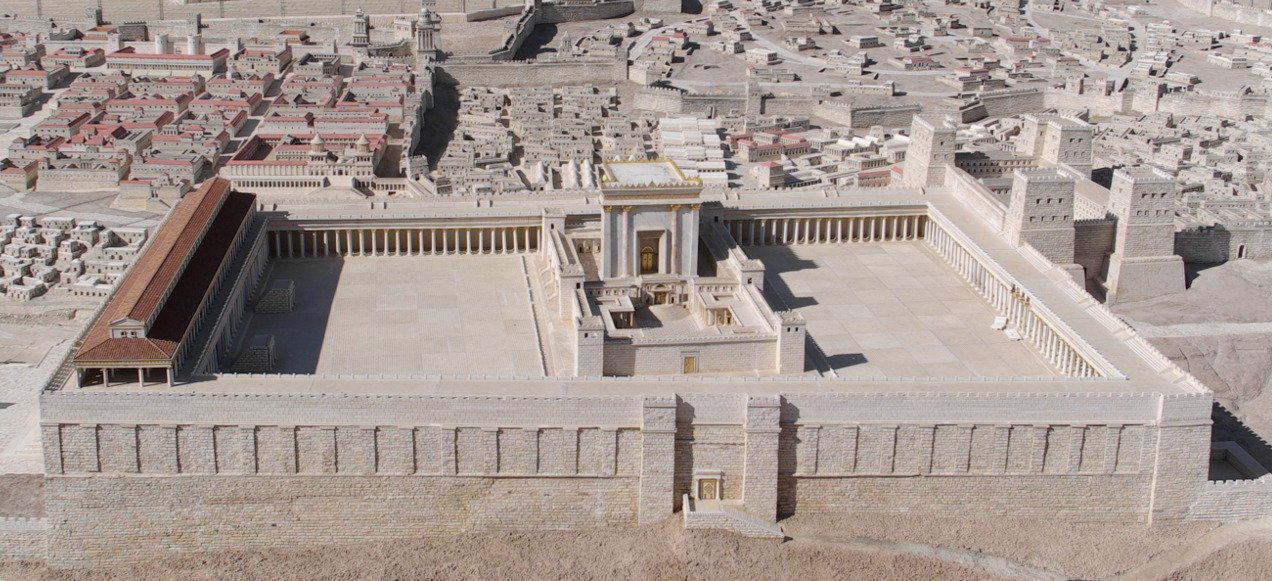
Mishnah Rosh Hashanah, tractate 2 (compiled c. 200 CE under Rabbi Judah ha-Nasi, preserved in the Mishnah tradition), describes the procedure in methodical detail. Witnesses who saw the new moon came before the Sanhedrin in Jerusalem. They were examined separately on the moon's appearance - its orientation, height, whether it faced north or south - and if their accounts agreed, the court declared the month sanctified. Bonfires were then lit on the Mount of Olives and relayed across hilltops as far as Babylonia. The signal system worked until the Samaritans began lighting false fires to mislead diaspora communities; after that, couriers ran the news instead. The Mishnah records both stages of the system as established practice.
What strikes the modern reader first is how much trust the whole system required - and how deliberately the rabbis built the trust in. The Mishnah lists categories of people ineligible to testify in most courts: gamblers, usurers, people who race pigeons. It then quietly notes that in the matter of new moon testimony, a broader range of witnesses was admitted. The point was not to lower standards but to widen participation. Every community, every hillside watcher, had a stake in the calendar. The month was not handed down. It was declared, together.
Rosh Chodesh itself was celebrated. Numbers 28:11-15 prescribes additional offerings at the new moon. The prophet Amos includes new moon days alongside Shabbat as days when commerce ceases (Amos 8:5). In First Samuel, David's absence from Saul's table on Rosh Chodesh is conspicuous enough to require explanation - the meal was expected. Long before the month-head became a minor rabbinic semi-festival, it was a full biblical occasion: a pause in the rhythm of work, a communal feast, a time when the tribe came together because the moon had turned again.
The record
Numbers 10:10 (Torah; preserved in the Dead Sea Scrolls and later manuscript traditions, including the Aleppo Codex in Jerusalem) commands that silver trumpets be blown "at the beginnings of your months" over burnt offerings. The verse makes Rosh Chodesh a commanded occasion, not merely a calendar marker. The Mishnah tractate Rosh Hashanah 3:1 specifies that the shofar, not the silver trumpet, became the rabbinic instrument of new year proclamation, but the underlying principle - the month's beginning is announced, not merely assumed - runs continuously from the biblical command through the whole period of witnessed declaration and into the eventual shift to calculation.
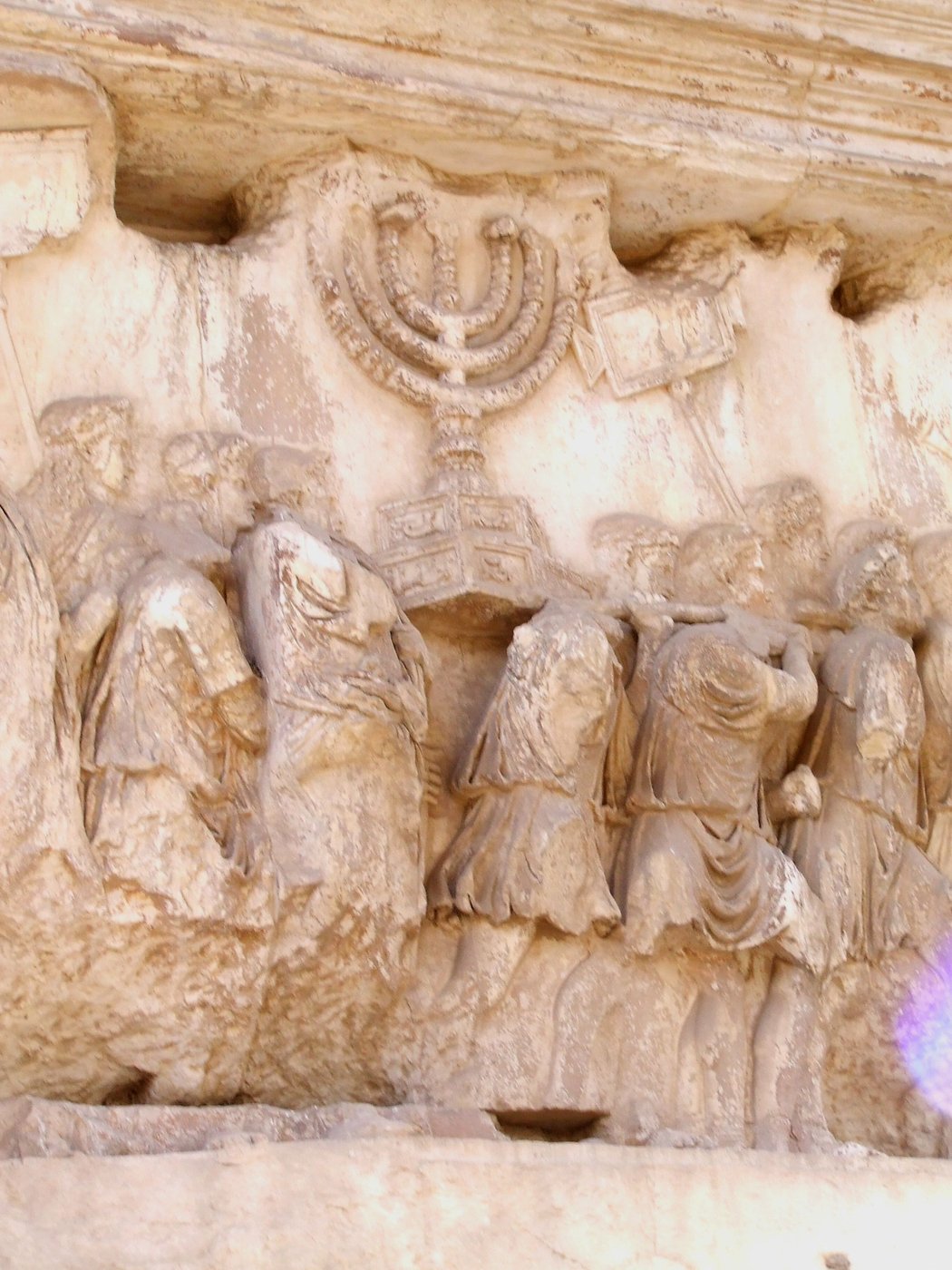
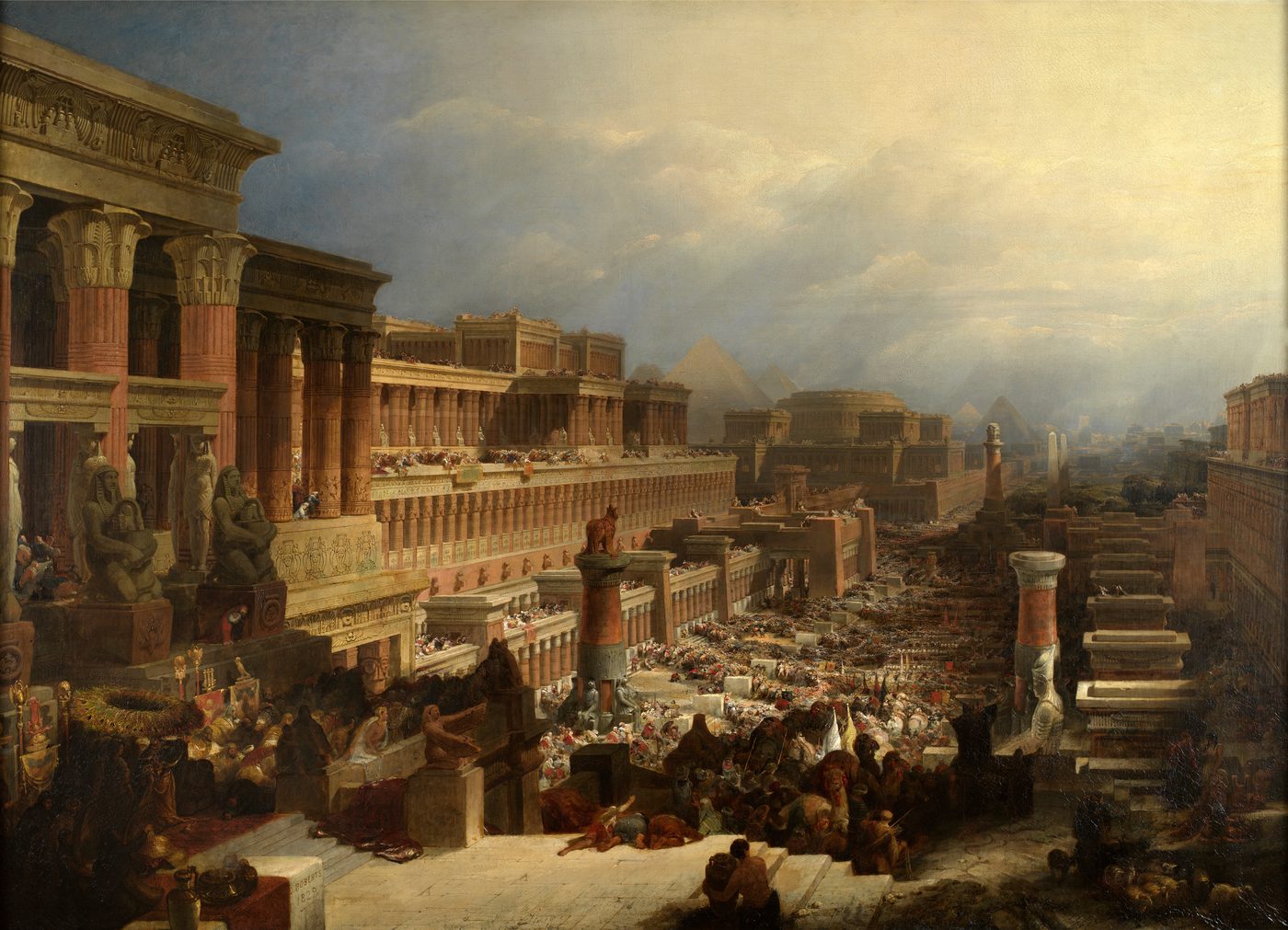
The system ended not with a single decree but with the slow pressure of diaspora. As Jews spread across the Roman Empire and beyond, the bonfire chain and courier networks grew unreliable. Communities in Babylonia, Egypt, and Asia Minor might not learn the court's ruling in time to keep festivals on the right day. The great calculation attributed to Hillel II in the 4th century CE - though modern scholars debate how complete that systematisation was, and whether the fully standardised rules came later, in the Geonic period - released the calendar from its dependence on testimony in any single place. The month could now be known anywhere, by anyone who could count. What was gained was certainty across the diaspora. What was given up was the extraordinary thing the old system had insisted on: that time, Jewish time, was not automatic. It was witnessed. It was declared. It was ours to make.
There is still a trace of the old waiting in the liturgy. Kiddush Levanah - the sanctification of the moon - is recited under the open sky, within the first half of the month, before the moon begins to wane. The worshippers face the moon and greet it as if meeting something newly arrived. It is not the same as climbing a hillside with a mission and legal responsibility. But the posture is the same: face up, eyes on the sky, acknowledging that the month has come, and that noticing it matters.